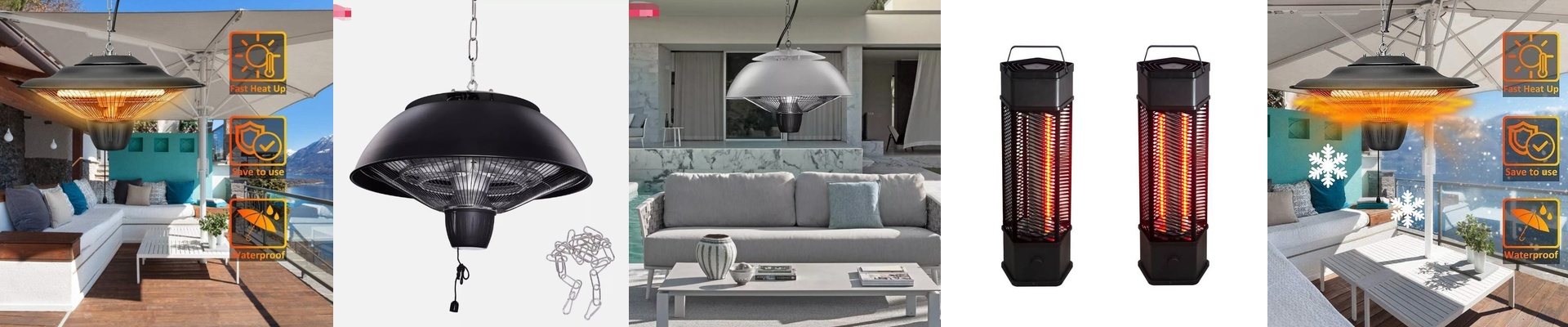
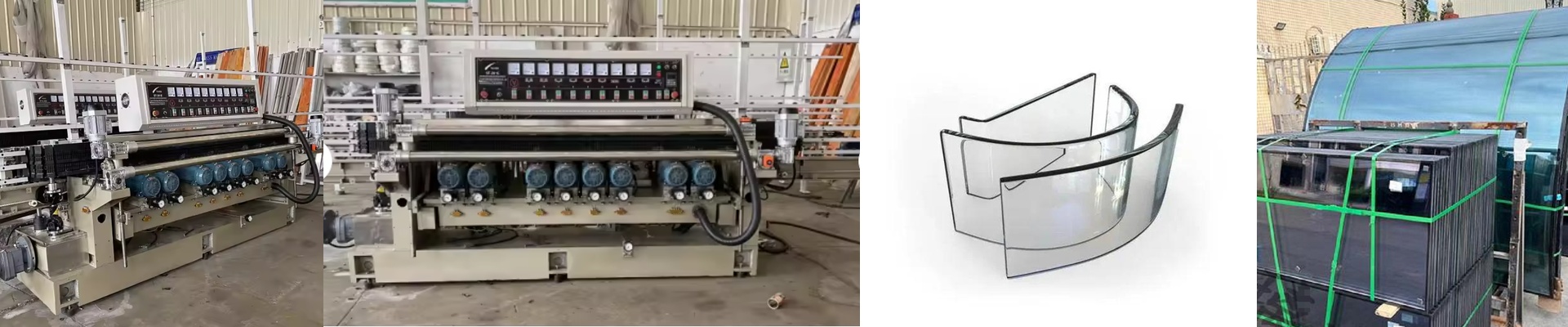
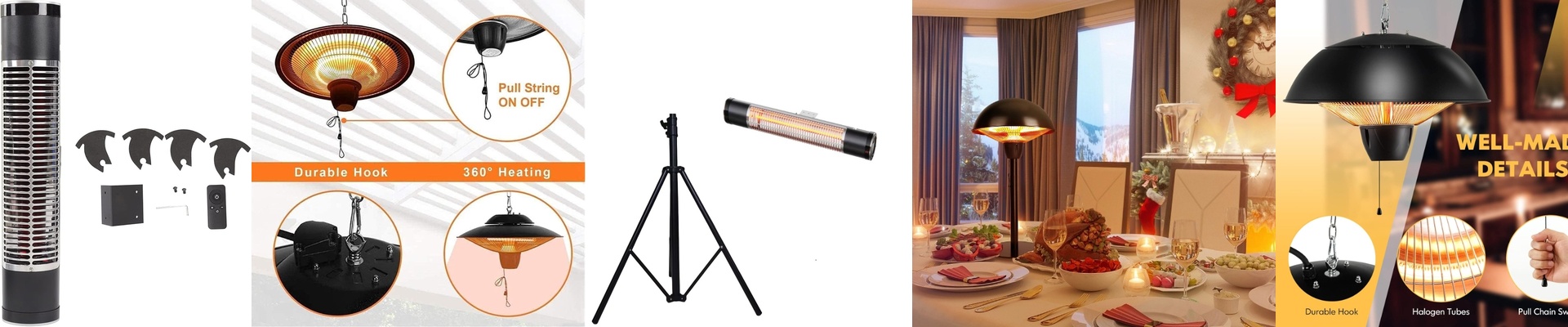
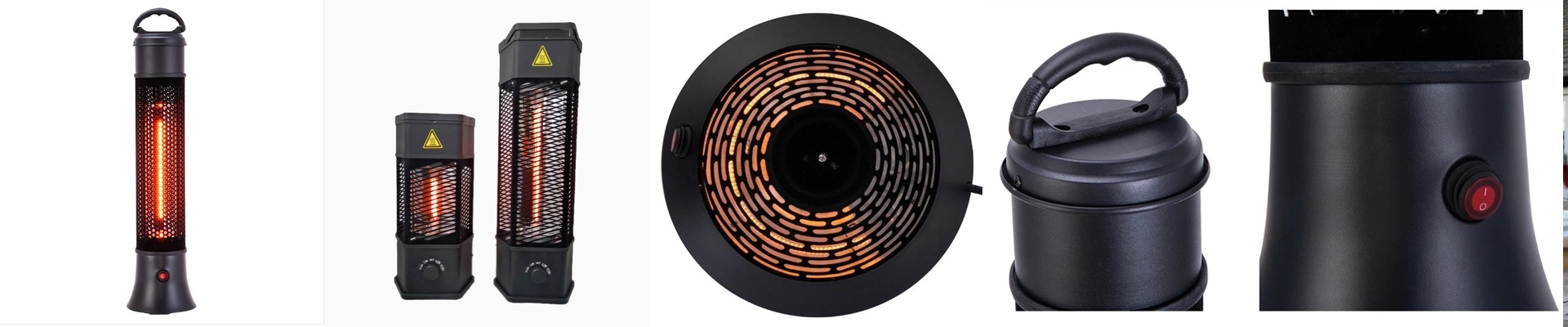
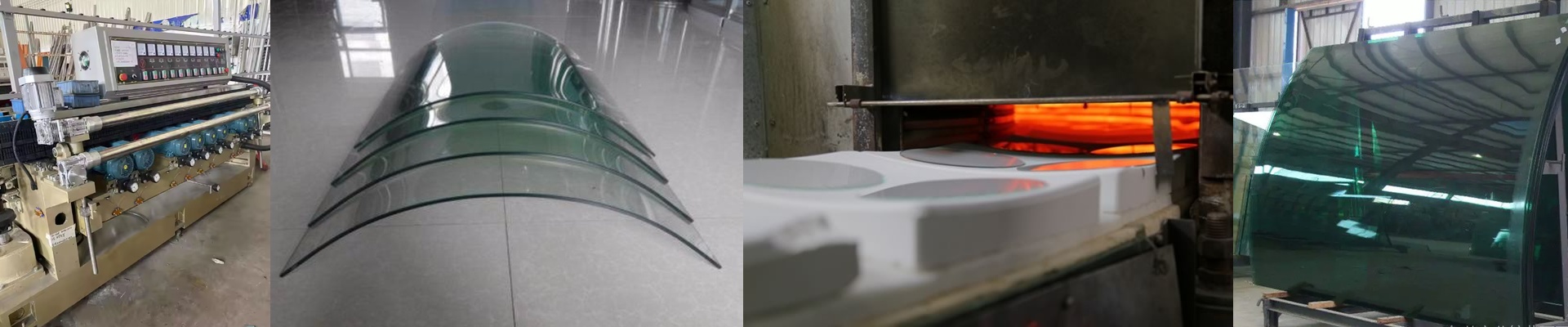
On the line, glass doesn’t forgive uneven heat. One hot spot and you’re chasing thermal stress fractures. A cold zone and the bend falls out of shape, or the coating dries patchy. That’s why infrared emitters for glass shaping aren’t just another heat source—they’re a controllable thermal field built to protect yield.
אצל זכוכית בקו הייצור אין מקום לחימום לא אחיד. נקודה חמה אחת תגרום לריצודי מתח תרמיים. אזור קר יגרום לעיוות הקימור או לייבוש לא אחיד של הציפוי. לכן, מפיצי אינפרא-אדום לעיצוב זכוכית אינם רק מקור חום נוסף – הם שדה תרמי שניתן לשלוט בו ונבנה להגנה על התפוקה.
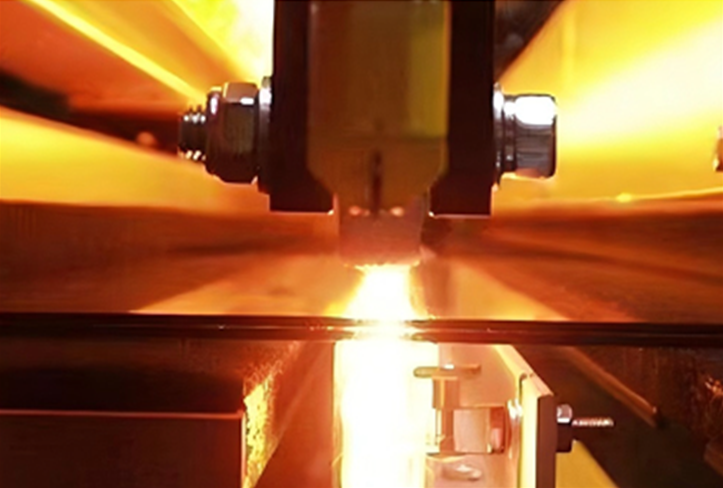
We build these emitters around short-wave infrared, using high-emissivity quartz elements that respond quickly and repeat temperatures tightly. The payoff is a heat profile you can actually map: consistent across the glass width, without fighting convection currents. Power density is tuned to the pane’s thermal mass, so you get fast ramp-up without overshoot. In practice, that means fewer rejects from micro-cracks, optical distortion, and warpage—because the glass sees the same heating curve, cycle after cycle. את המפיצים האלה אנו בונים סביב אינפרא-אדום קצר גל, תוך שימוש באלמנטים קוורץ בעלי פליטה גבוהה המגיבים במהירות ושומרים על חזרת טמפרטורות מדויקת. התוצאה היא פרופיל חום שניתן למדידה: עקבי לאורך רוחב הזכוכית, ללא השפעות של זרמי הסעה. צפיפות ההספק מותאמת למסת החום של הפאנל, מה שמאפשר העלאה מהירה של הטמפרטורה ללא חריגה. בפועל, משמעות הדבר היא פחות פסילות עקב סדקים מיקרוסקופיים, עיוות אופטי ועיוות מכני – משום שהזכוכית חשופה לאותו עקומת חימום בכל מחזור.
In tempering, bending, and coating drying, the real win is uniform heating. When the thermal field is even, stress builds predictably and stays within the window of control. You push higher throughput without spiking scrap. Energy use drops because the emitter heats the glass directly, not the air around it. And uptime improves because the system repeats the same profile shift after shift, day after day. בתהליך ההקשיה, הכיפוף וייבוש הציפוי, היתרון המרכזי הוא חימום אחיד. כאשר שדה החום אחיד, המתח מתפתח בצורה צפויה ונשאר בטווח הבקרה. ניתן להגדיל תפוקה מבלי להגדיל את שיעור הפסולת. צריכת האנרגיה יורדת מכיוון שהמפיץ מחמם את הזכוכית ישירות, ולא את האוויר סביבו. זמינות המערכת משתפרת כי הפרופיל חוזר על עצמו מחזור אחרי מחזור, יום אחרי יום.
Installation is straightforward, but alignment is non-negotiable. Reflectors, clearance, and emitter spacing have to match the glass path exactly—otherwise, edge-to-center variance creeps back in. These units fit standard mounting footprints, but they still need clean power and proper cooling. Airflow and voltage stability directly affect long-term output consistency. Plan for that up front, and you get repeatable glass shaping with fewer surprises on the inspection table. ההתקנה פשוטה, אך יישור מדויק הוא הכרחי. המראות, המרווחים והמרחק בין המפיצים חייבים להתאים במדויק למסלול הזכוכית – אחרת יחזרו פערים בין הקצה למרכז. היחידות מתאימות לממדי הרכבה סטנדרטיים, אך דורשות אספקת חשמל נקייה וקירור מתאים. זרימת אוויר ויציבות המתח משפיעים ישירות על עקביות התפוקה לטווח הארוך. תכנון מוקדם של אלה מבטיח עיצוב זכוכית חוזר ונשנה עם פחות הפתעות בבדיקת האיכות.