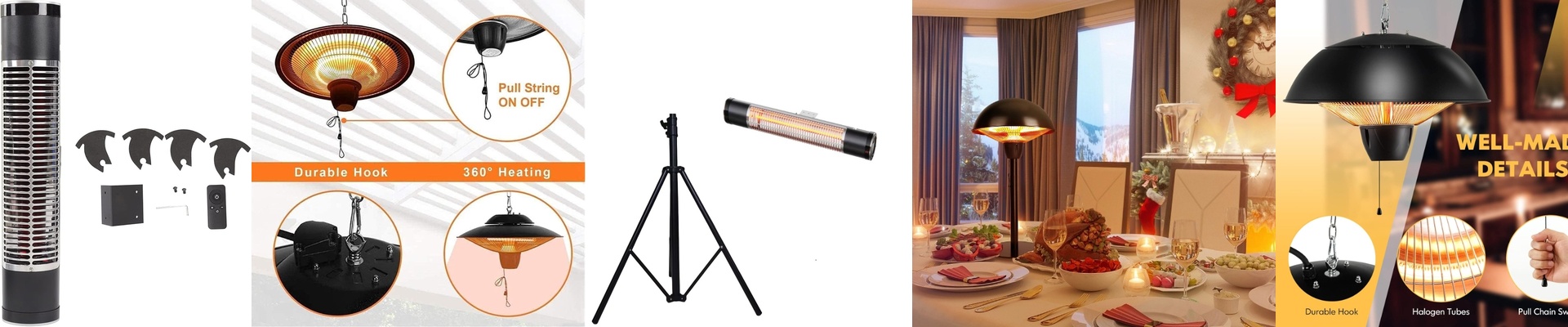
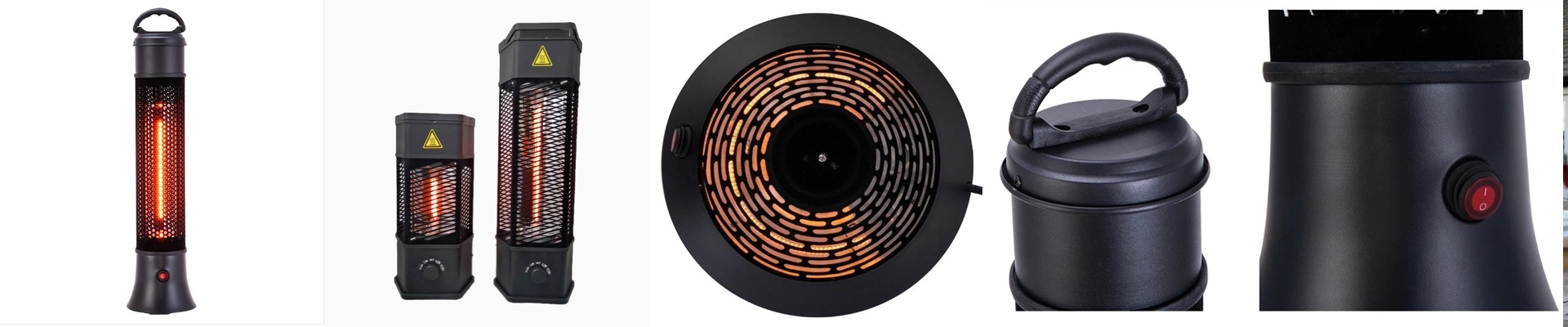
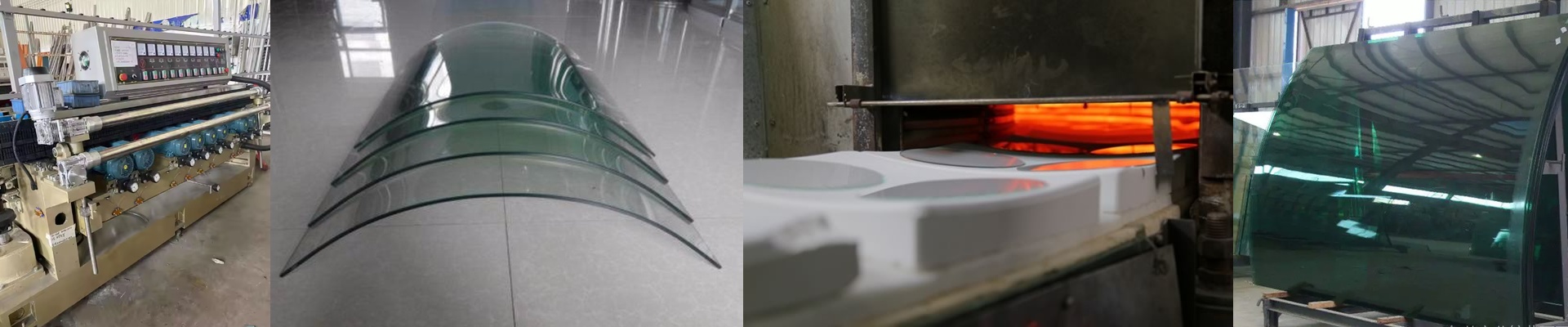
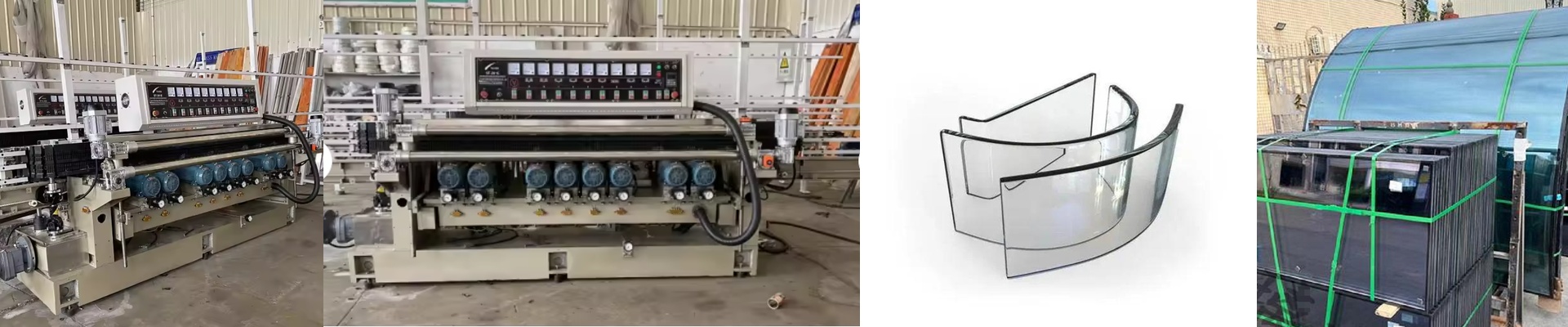
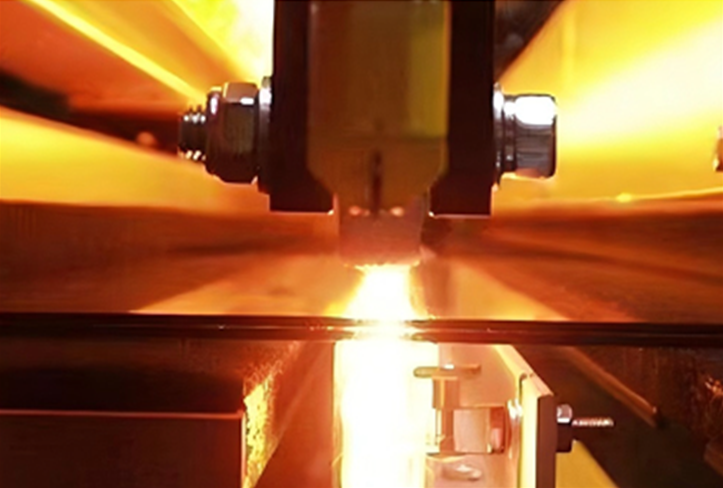
On the line, glass doesn’t forgive uneven heat. One hot spot and you’re chasing thermal stress fractures. A cold zone and the bend falls out of shape, or the coating dries patchy. That’s why infrared emitters for glass shaping aren’t just another heat source—they’re a controllable thermal field built to protect yield.
लाइन पर, कांच असमान ताप को बर्दाश्त नहीं करता। एक गर्म स्थान होने पर आप थर्मल तनाव दरारों का पीछा कर रहे होते हैं। एक ठंडा क्षेत्र होने पर मोड़ आकार से बाहर हो जाता है, या कोटिंग पैची हो जाती है। इसलिए कांच के आकार देने के लिए इन्फ्रारेड इमिटर्स सिर्फ एक और ताप स्रोत नहीं होते—वे एक नियंत्रित थर्मल क्षेत्र होते हैं जो उत्पादन दर की सुरक्षा के लिए बनाए जाते हैं।
We build these emitters around short-wave infrared, using high-emissivity quartz elements that respond quickly and repeat temperatures tightly. The payoff is a heat profile you can actually map: consistent across the glass width, without fighting convection currents. Power density is tuned to the pane’s thermal mass, so you get fast ramp-up without overshoot. In practice, that means fewer rejects from micro-cracks, optical distortion, and warpage—because the glass sees the same heating curve, cycle after cycle.
हम इन इमिटर्स को शॉर्ट-वेव इन्फ्रारेड के आधार पर बनाते हैं, उच्च उत्सर्जनशीलता वाले क्वार्ट्ज तत्वों का उपयोग करते हैं जो तेजी से प्रतिक्रिया देते हैं और तापमान को सटीक रूप से दोहराते हैं। इसका परिणाम एक ऐसा हीट प्रोफाइल होता है जिसे आप मैप कर सकते हैं: कांच की चौड़ाई में समान, बिना संवहन धाराओं से लड़ाई के। पावर डेंसिटी को पैन की थर्मल मास के अनुसार समायोजित किया जाता है, जिससे तेज़ रैंप-अप मिलता है बिना ओवरशूट के। व्यावहारिक रूप में इसका अर्थ है माइक्रो-क्रैक, ऑप्टिकल डिस्टॉर्शन और वॉर्पेज से कम रिजेक्ट—क्योंकि कांच हर चक्र में समान हीटिंग कर्व देखता है।
In tempering, bending, and coating drying, the real win is uniform heating. When the thermal field is even, stress builds predictably and stays within the window of control. You push higher throughput without spiking scrap. Energy use drops because the emitter heats the glass directly, not the air around it. And uptime improves because the system repeats the same profile shift after shift, day after day.
टेम्परिंग, बेंडिंग और कोटिंग सुखाने में, असली सफलता समान ताप में होती है। जब थर्मल क्षेत्र समान होता है, तो तनाव पूर्वानुमेय तरीके से बनता है और नियंत्रण सीमा के भीतर रहता है। आप उच्च थ्रूपुट बढ़ाते हैं बिना स्क्रैप में वृद्धि के। ऊर्जा की खपत घटती है क्योंकि इमिटर सीधे कांच को गर्म करता है, उसके आस-पास की हवा को नहीं। और अपटाइम बेहतर होता है क्योंकि सिस्टम एक जैसा प्रोफाइल शिफ्ट बार-बार दोहराता है, दिन-प्रतिदिन।
Installation is straightforward, but alignment is non-negotiable. Reflectors, clearance, and emitter spacing have to match the glass path exactly—otherwise, edge-to-center variance creeps back in. These units fit standard mounting footprints, but they still need clean power and proper cooling. Airflow and voltage stability directly affect long-term output consistency. Plan for that up front, and you get repeatable glass shaping with fewer surprises on the inspection table.
इंस्टॉलेशन सरल है, लेकिन संरेखण आवश्यक है। रिफ्लेक्टर्स, क्लियरेंस और इमिटर स्पेसिंग को कांच के पथ के साथ सटीक मिलना चाहिए—अन्यथा एज-टू-सेंटर भिन्नता वापस आ जाती है। ये यूनिट्स मानक माउंटिंग फुटप्रिंट पर फिट होते हैं, लेकिन इन्हें साफ पावर और उचित कूलिंग की आवश्यकता होती है। एयरफ्लो और वोल्टेज स्थिरता दीर्घकालिक आउटपुट स्थिरता को सीधे प्रभावित करते हैं। इसे शुरू में ही योजना बनाएं, और आपको निरीक्षण टेबल पर कम आश्चर्य के साथ दोहराने योग्य कांच की आकृति मिलती है।