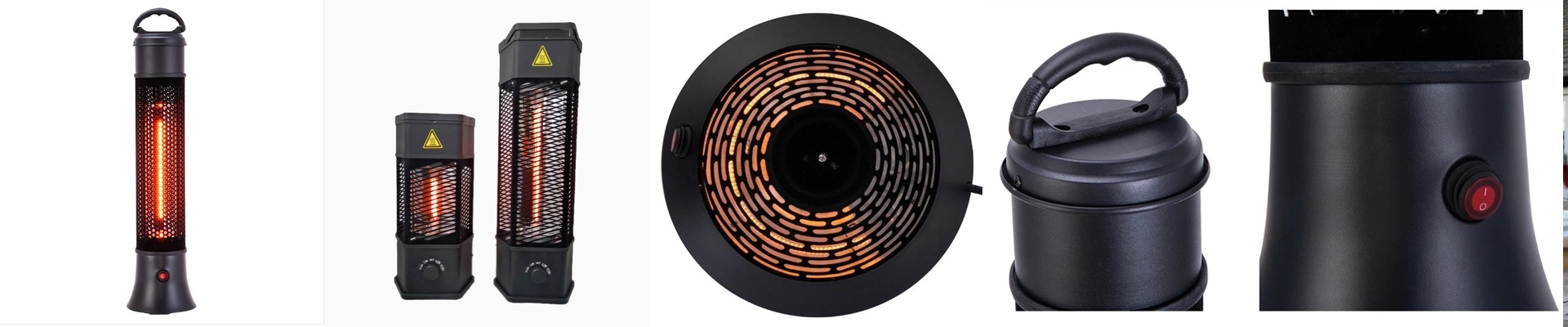
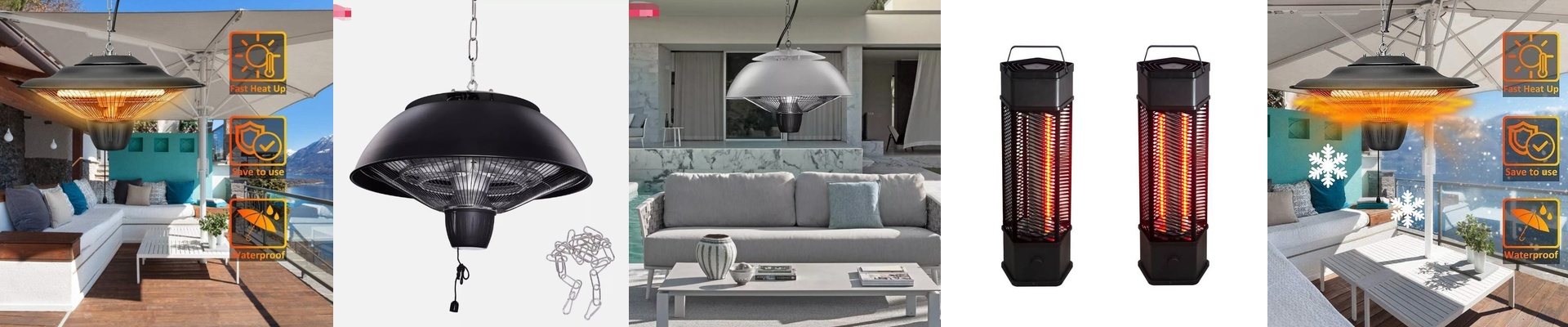
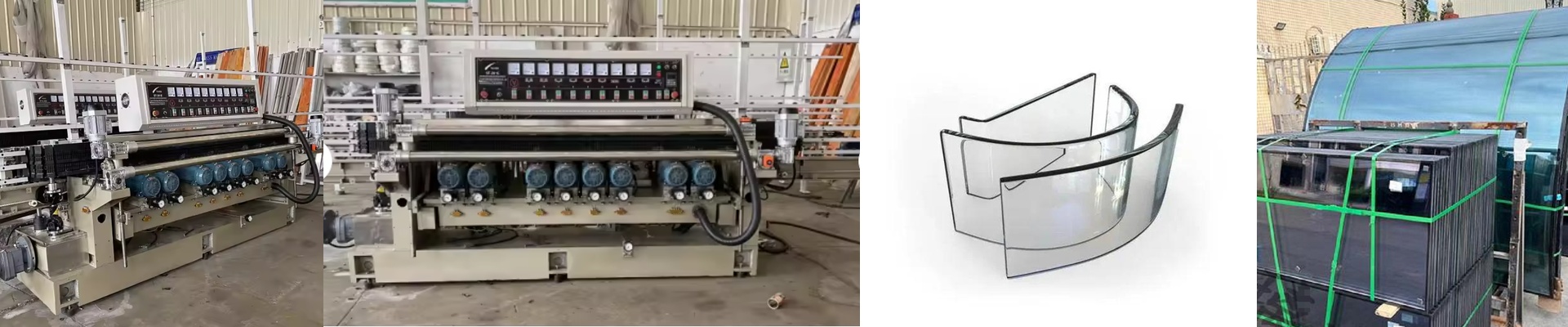
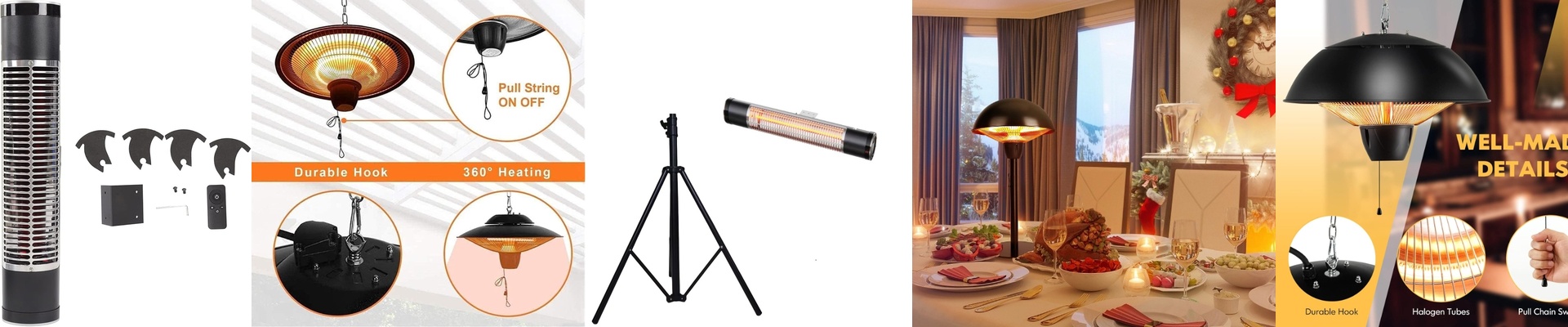
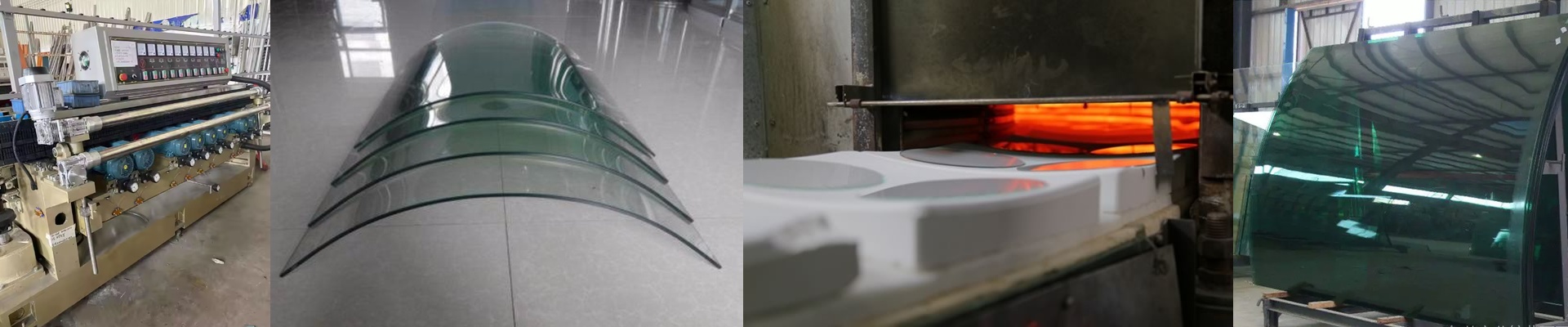
On the line, glass doesn’t forgive uneven heat. One hot spot and you’re chasing thermal stress fractures. A cold zone and the bend falls out of shape, or the coating dries patchy. That’s why infrared emitters for glass shaping aren’t just another heat source—they’re a controllable thermal field built to protect yield.
Op de productielijn vergeeft glas geen ongelijke warmteverdeling. Eén hete plek en je krijgt thermische spanningsscheuren. Een koude zone en de buiging vervormt, of de coating droogt ongelijkmatig. Daarom zijn infraroodstralers voor glasvormgeving niet zomaar een warmtebron—het zijn beheersbare thermische velden die zijn ontworpen om de opbrengst te beschermen.
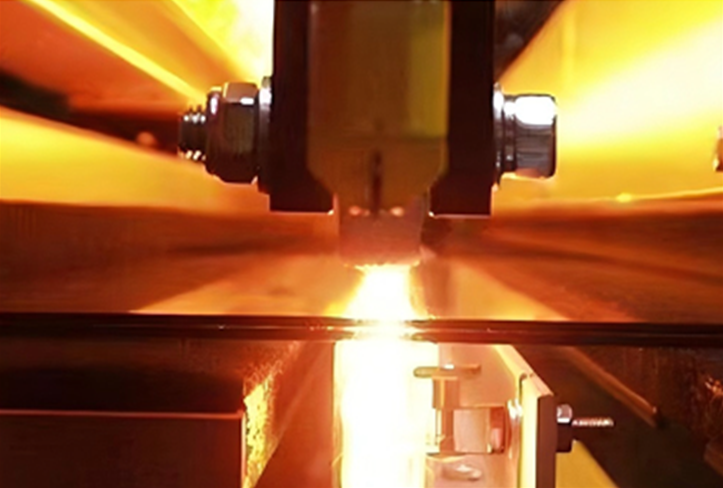
We build these emitters around short-wave infrared, using high-emissivity quartz elements that respond quickly and repeat temperatures tightly. The payoff is a heat profile you can actually map: consistent across the glass width, without fighting convection currents. Power density is tuned to the pane’s thermal mass, so you get fast ramp-up without overshoot. In practice, that means fewer rejects from micro-cracks, optical distortion, and warpage—because the glass sees the same heating curve, cycle after cycle.
We bouwen deze stralers rondom kortegolf-infrarood, met kwartelelementen met hoge emissiviteit die snel reageren en temperaturen nauwkeurig herhalen. Het resultaat is een warmtevorm die je daadwerkelijk kunt in kaart brengen: consistent over de glasbreedte, zonder verstoring door convectiestromen. De vermogensdichtheid wordt afgestemd op de thermische massa van de glasplaat, zodat snelle opwarming zonder overshoot wordt bereikt. In de praktijk betekent dit minder afkeur door microscheurtjes, optische vervorming en kromtrekking—omdat het glas telkens dezelfde verwarmingscurve doorloopt.
In tempering, bending, and coating drying, the real win is uniform heating. When the thermal field is even, stress builds predictably and stays within the window of control. You push higher throughput without spiking scrap. Energy use drops because the emitter heats the glass directly, not the air around it. And uptime improves because the system repeats the same profile shift after shift, day after day.
Bij harden, buigen en coatingdrogen is uniforme verwarming het belangrijkste. Als het thermische veld gelijkmatig is, bouwt de spanning voorspelbaar op en blijft binnen het regelbare gebied. Hierdoor kan de doorvoer worden verhoogd zonder dat het afkeurpercentage stijgt. Het energieverbruik daalt omdat de straler het glas direct verwarmt, niet de omringende lucht. De beschikbaarheid verbetert doordat het systeem hetzelfde profiel telkens weer reproduceert, beurt na beurt, dag na dag.
Installation is straightforward, but alignment is non-negotiable. Reflectors, clearance, and emitter spacing have to match the glass path exactly—otherwise, edge-to-center variance creeps back in. These units fit standard mounting footprints, but they still need clean power and proper cooling. Airflow and voltage stability directly affect long-term output consistency. Plan for that up front, and you get repeatable glass shaping with fewer surprises on the inspection table.
De installatie is eenvoudig, maar uitlijning is cruciaal. Reflectoren, speling en afstand tussen stralers moeten exact overeenkomen met het glastraject—anders ontstaat er opnieuw variatie tussen rand en midden. Deze units passen op standaard montagematen, maar vereisen wel schone voeding en adequate koeling. Luchtstroming en spanningsstabiliteit beïnvloeden direct de consistente output op lange termijn. Houd hier vooraf rekening mee, en je krijgt herhaalbare glasvormgeving met minder verrassingen bij de inspectie.