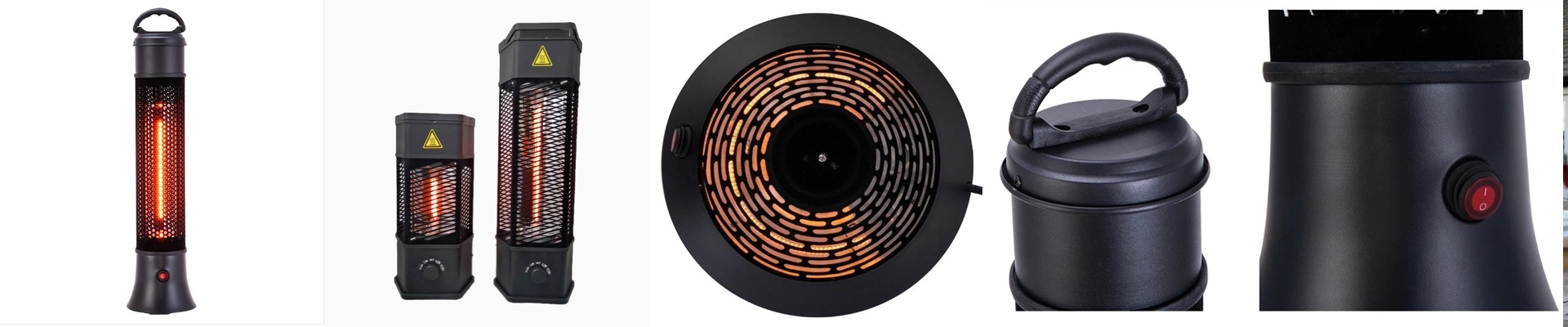
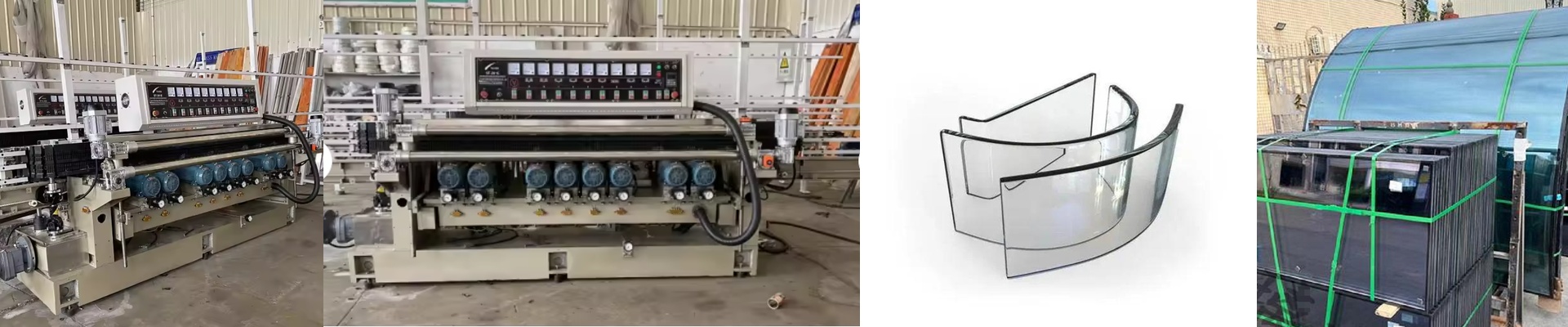
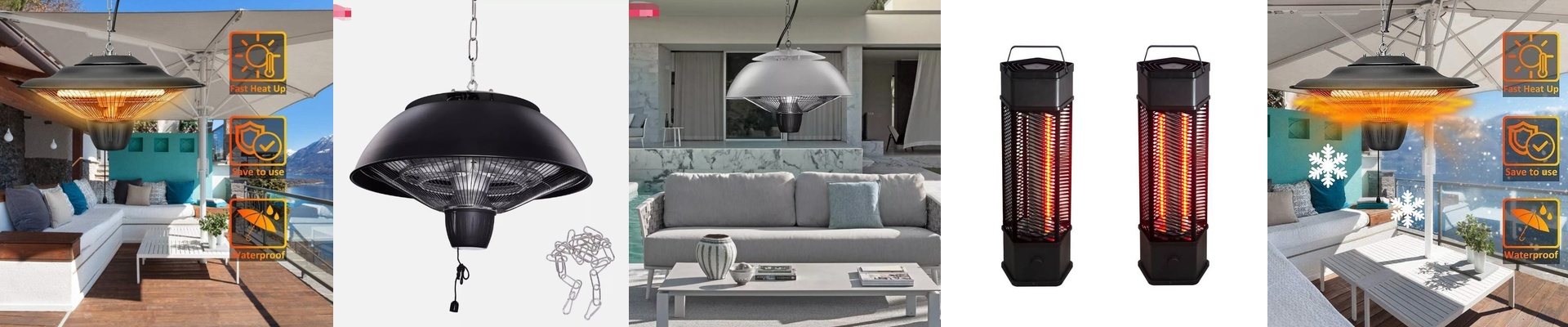
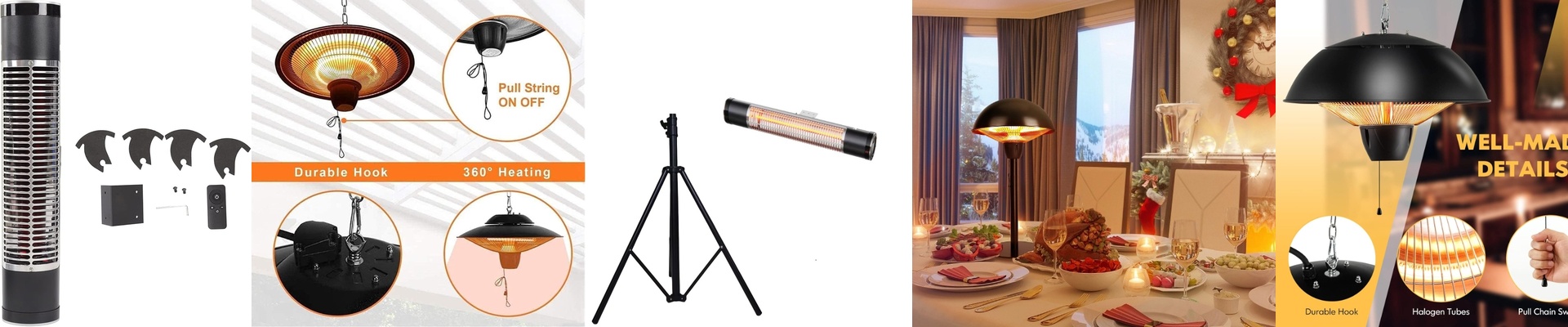
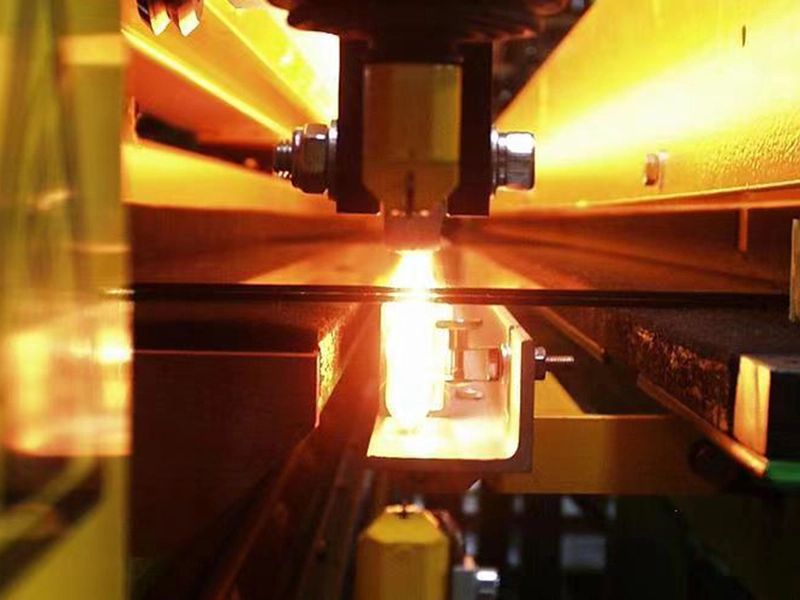
On the insulating glass line, the sealant cure sets the pace. If the ramp-up drags, the table backs up. If heat isn’t even, you get soft edges and adhesion that drifts off-spec. Suddenly you’re chasing rejects and rework. We built the industrial sealant curing system to cut through that mess, with heating behavior tuned for real glass processing. Here’s the technical core: we use short-wave quartz emitters to hit the sealant with direct radiant heat. No wasted air heating, and the response is quick. Ramp-up hits 8°C/s, so you clear the sealant gel point fast without cooking the spacer. Temperature uniformity across the cure zone holds at ±2°C, which keeps the secondary seal bead consistent and keeps thermal stress off the glass. Power density runs 35 W/cm²—plenty of flux where it matters—while the total draw stays matched to a 400 V three-phase supply. We shape the profile around the emissivity of coated glass and the viscosity curve of polyisobutylene or silicone. The curve follows the chemistry, not the other way around. Why this matters on the floor: insulating glass needs a repeatable cure window to protect edge quality and structural integrity. This setup cuts cycle time by 25–35%, which opens oven capacity and smooths out takt. Uniform heat cuts soft-edge defects and keeps secondary seal adhesion inside spec, so you see fewer rejects and less rework. Energy use drops 18–22% compared with convection-heavy lines, because the energy goes into the sealant, not the air. And the module drops into standard frames, so downtime is hours, not days. A few shop-floor details to keep you out of trouble: clearance around the emitters matters. Keep a 50 mm gap to avoid hot spots at the glass edge, and make sure line speed matches the cure profile. With low-emissivity coatings, we run a tuned emitter layout to compensate for reflectivity. Ambient operating range is 0–45°C; above that, derate power to protect the components. Plan on routine quartz inspections, and keep spare mounting brackets on the shelf.