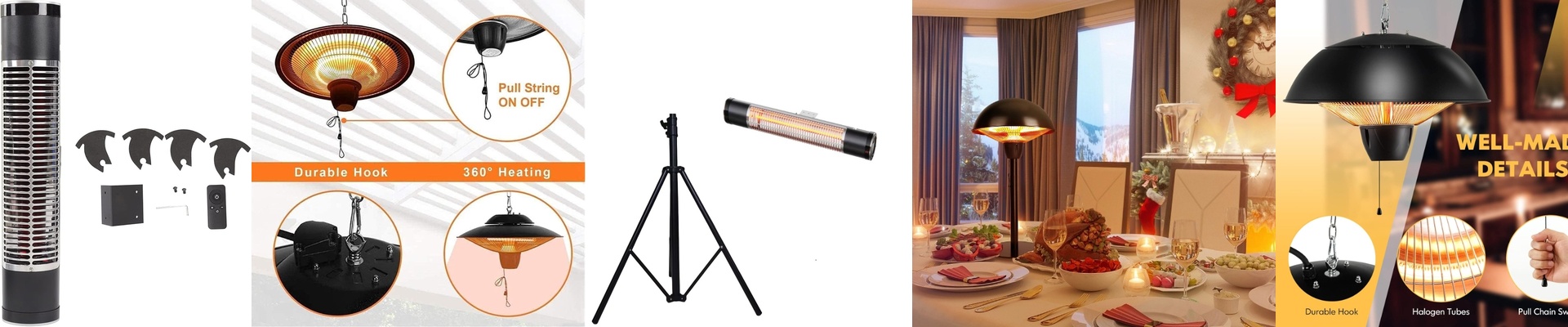
Let’s talk about what actually makes this heater work
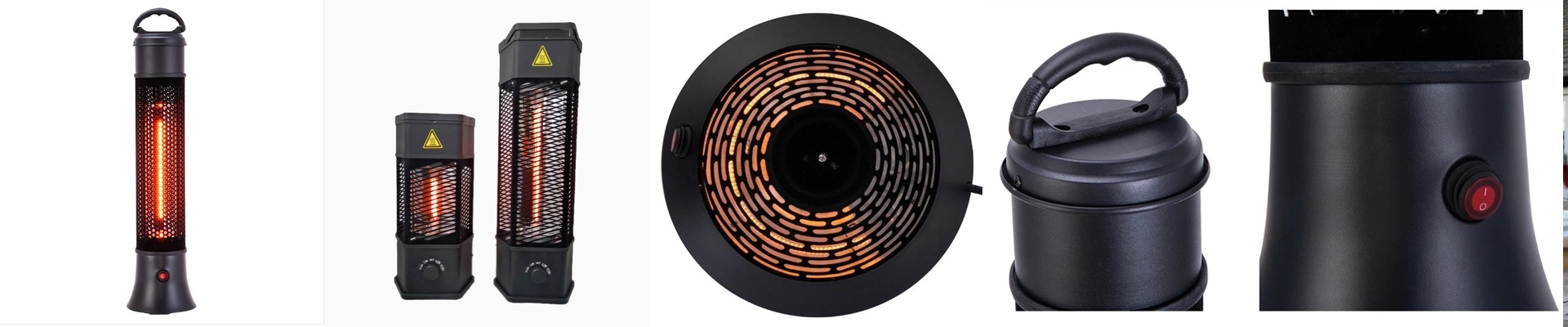
Here’s the thing about our patio heater: we built it to be powerful, but also practical. We set it up to run on a 400V input and crank out 2500W of heat. Why? Because that gives you serious heat from a surprisingly small package. And it’s a real win on the installation side. Since it runs on standard industrial power, you don’t have to mess around with a step-down transformer. The wiring stays simple, and you save space on your electrical panel. The tube length is 300mm, and we landed on that for a reason. It’s short enough to squeeze into tight spots, but still long enough to spread that radiant warmth evenly. No hot spots, no cold corners—just a wide, comfortable glow.
Inside the design: built to last
The heating element is where the magic happens. We use a halogen cycle inside a quartz envelope. This keeps the filament clean, so the heat stays consistent and the whole thing lasts way longer than a standard incandescent element. Then there’s the connector—the R7s. It’s a double-ended, linear contact fitting that handles high current without getting hot under pressure. That means it’s a straightforward, drop-in replacement when you need it. The quartz tube itself is coated, too. It’s tough enough to handle thermal shock and resist corrosion, so it won’t buckle out there on the patio or in a dusty workshop. It just keeps going, no drama.
Real-world use: where it shines (and what to watch for)
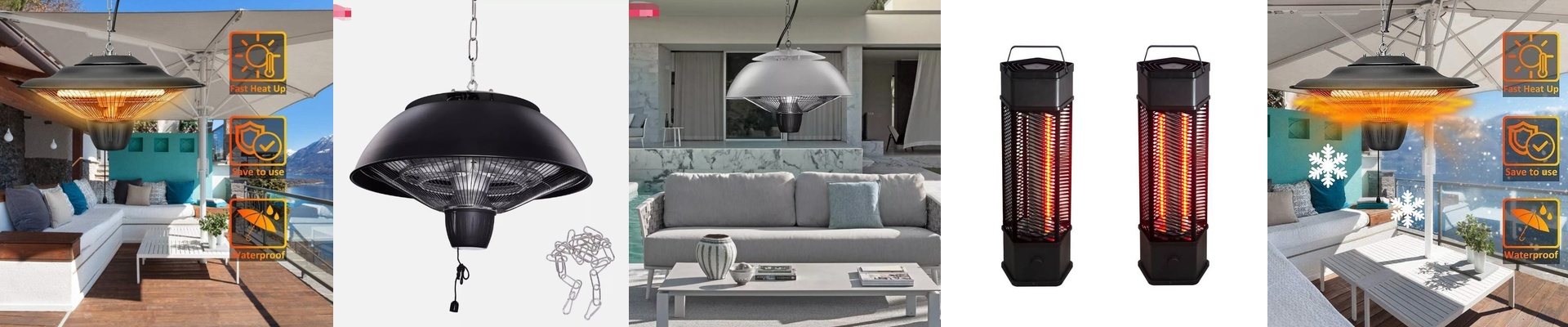
Outdoors or in semi-enclosed spaces, warm air alone doesn’t cut it. You need radiant heat that reaches people and objects directly. This 400V, 2500W setup does exactly that, and it warms up fast. But here’s the trade-off: you get intense heat in a small footprint. That means the housing and mounting hardware need proper heat-sinking. Plan your cooling and clearances ahead of time, and you’ll be set. It’s all about that direct, comforting warmth—and knowing what to expect so the whole system runs smoothly.