Making Industrial Heat Play Nice With Your Smart Home
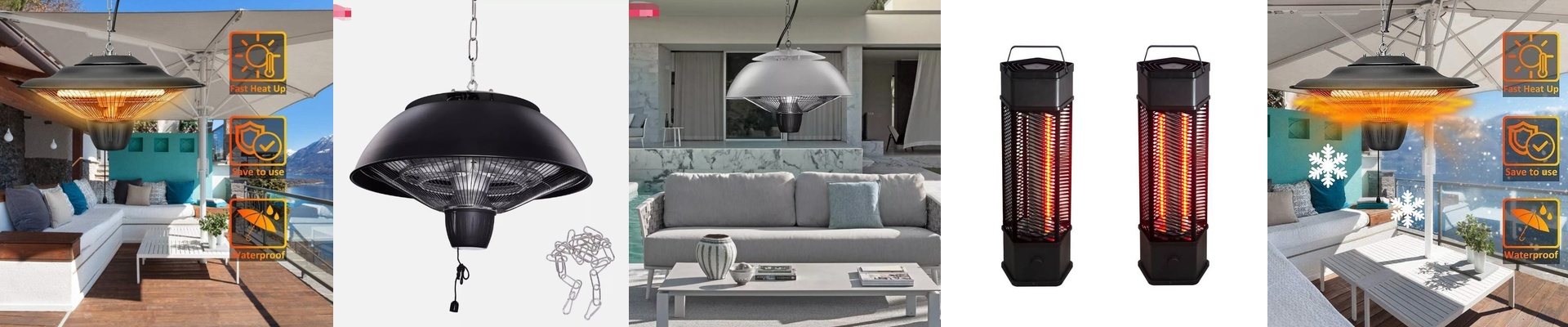
If you’ve ever tried to get industrial-grade infrared heaters to talk to a smart home hub, you know it’s not as simple as just slapping on a Wi-Fi relay. To get that “instant spring” feeling in the middle of January, you need gear that can handle rapid heat spikes without just giving up and burning out.
The Gear: Why IP65 Matters
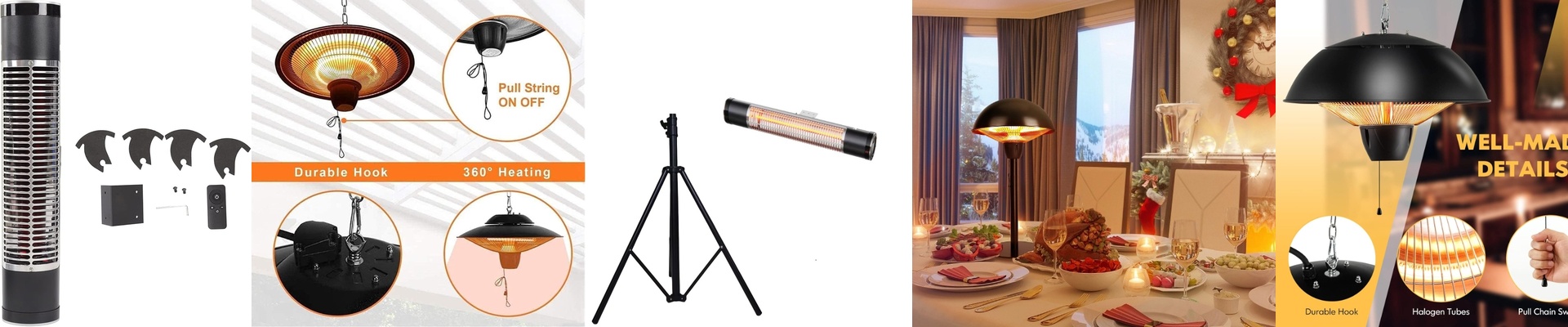
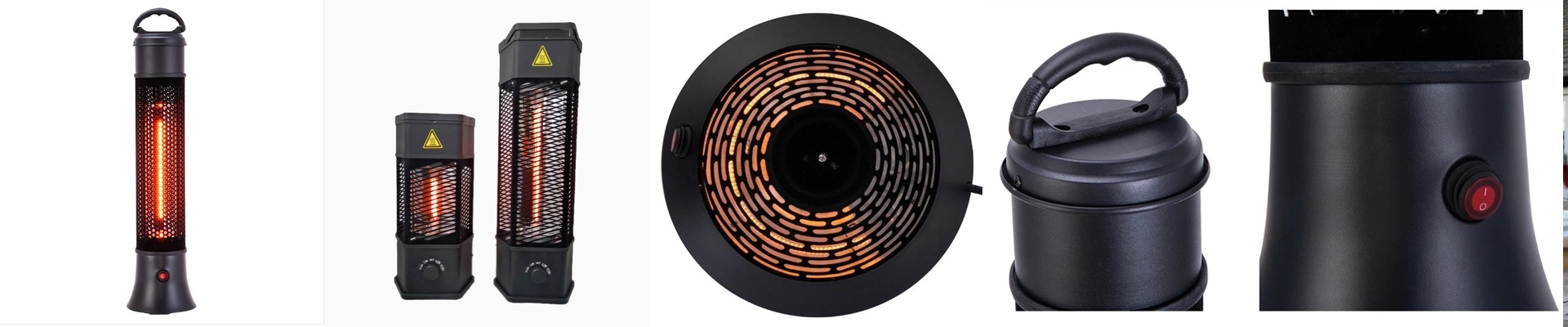
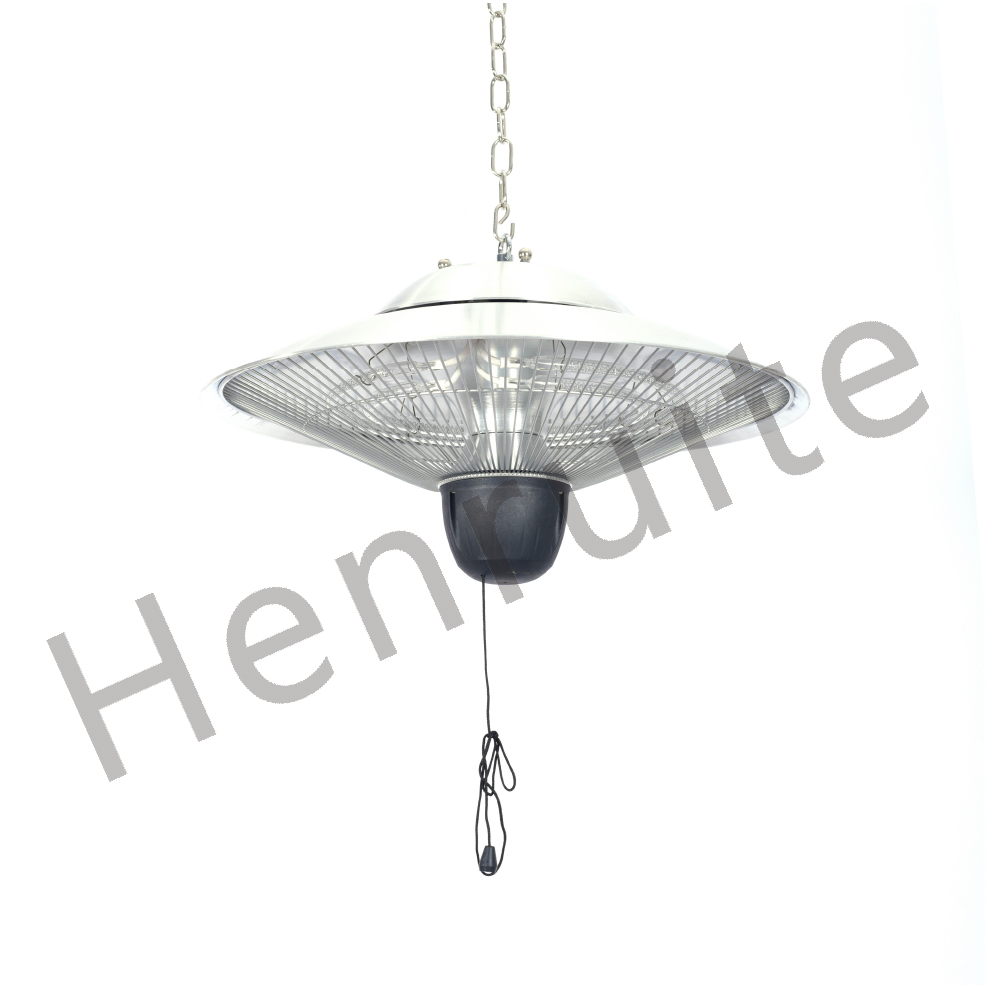
We stick with IP65-rated elements because, let’s be honest, things get messy. Whether it’s a humid bathroom or a covered patio, you don’t want dust or a stray splash of water shorting out your whole system. The secret sauce here is the short-wave infrared emitter. Instead of trying to warm up all the air in the room—which takes forever—these go straight for the target. It’s you. It’s your skin. It’s your coffee. That’s why the heat feels almost instant. But there’s a catch. When you hit a button on your app, that element has to go from cold to scorching in seconds. That puts a ton of stress on the filament. To stop the glass from cracking under the pressure, we use reinforced quartz envelopes. It’s basically armor for your heater.
Getting it Under Control
Connecting the app to the heater requires a bit of a middleman. Most people use a Zigbee or Matter relay, but we plug those into a PWM (Pulse Width Modulation) controller. Why? Because nobody likes a “blast furnace” effect where it’s either freezing or melting. The PWM lets the system dial the power up and down, keeping the temperature steady and comfortable. One big warning:Do notjust plug a high-wattage heater into a cheap smart plug. You’ll fry the relay in no time. You need a heavy-duty contactor or a solid-state relay (SSR) to handle that kind of power draw.
The Trade-off
Here is the reality: rapid-start infrared is amazing for instant warmth, but it takes a toll. If your smart thermostat is constantly clicking on and off every few minutes, that filament is going to wear out way faster than it would in a factory setting. To keep your hardware alive, we suggest building a “dwell time” into your smart logic. Just a simple rule that prevents the heater from flickering on and off too quickly. It’s a small tweak that saves you from replacing the whole unit.