3D Flame Halogen Infrared Heaters: Power, Quartz Build, and R7s Simplicity
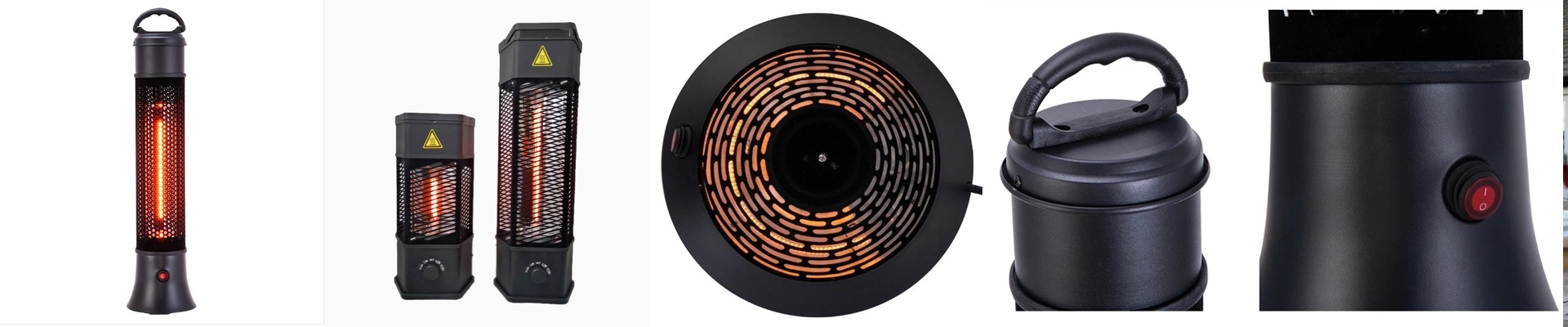
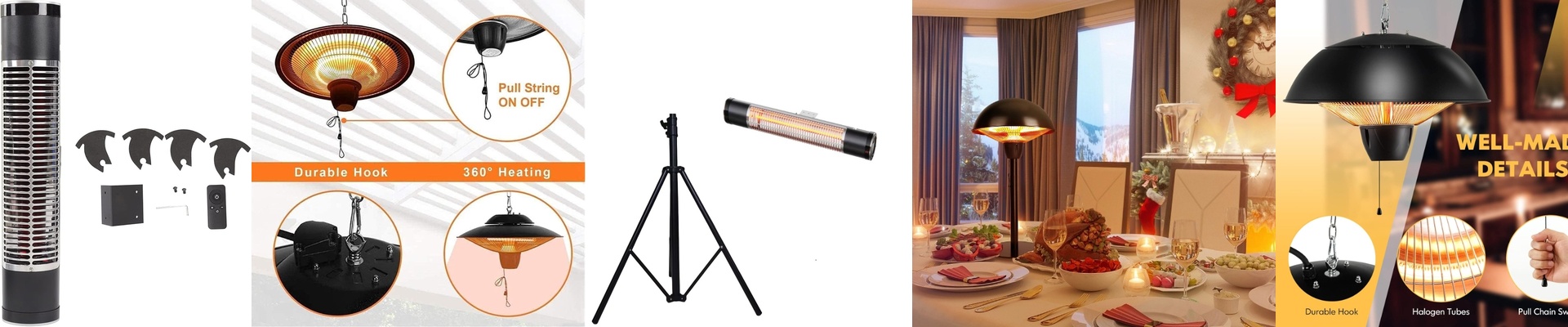
Let’s talk about the 3D flame fireplace heater the way you’ll actually use it. We built it as a direct-radiant infrared unit—meaning it’s not meant to warm an entire room. It’s built for one thing: high-intensity spot heating that kicks in fast, right where you need it. Think of it as a compact heat tool, not a space heater. When you need a quick, localized temperature jump, this is the kind of focused output that gets the job done without taking up a ton of room.
Power, Voltage, and Size—Plain and Simple
This heater runs at 2500W and is typically set up for 400V. Why does that matter? Because higher voltage keeps the current lower for the same wattage. That means you can use smaller wiring, and the performance stays steady across the line—less fuss, more consistency. The tube is 300mm long, which helps focus the heat into a tight zone. So you get serious heat density where you need it, without having to heat the whole machine bay.
The Build: Halogen Element, Quartz Tube, R7s Connection
Inside, the heating element is halogen-filled and housed in a quartz tube. Quartz is tough when temperatures swing fast, and it keeps output steady. The halogen fill helps the filament last longer by fighting premature burn-out—so you get durability you can feel in day-to-day use. And the R7s connector? It’s a straightforward two-pin setup. That makes the lamp a drop-in replacement in standard fixtures—no messing around with custom terminal blocks. Just plug in and go.
Where It Shines—And What To Watch For
This configuration is for moments when you need quick, controllable radiant heat. You’ll reach for it for heating mantles, small furnaces, drying tunnels, and targeted component heating. The 3D flame geometry spreads the heat pattern more evenly than a bare wire coil, so coverage feels more consistent across the target. Here’s the catch: 2500W at 400V is serious intensity. That means your control gear and ventilation have to be up to the task. If they aren’t, the unit can run hotter than the application comfortably wants. Match the system to the heater, and it behaves exactly like the focused workhorse it was designed to be.