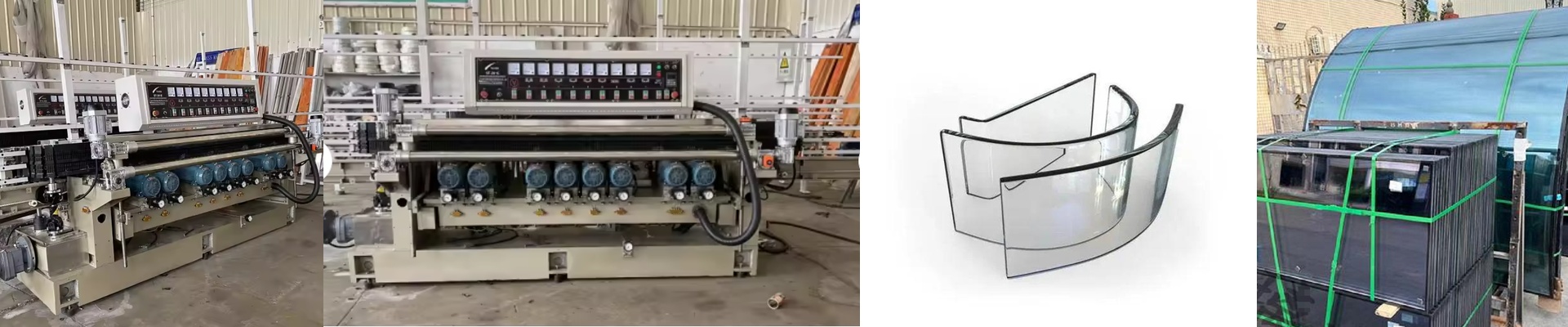
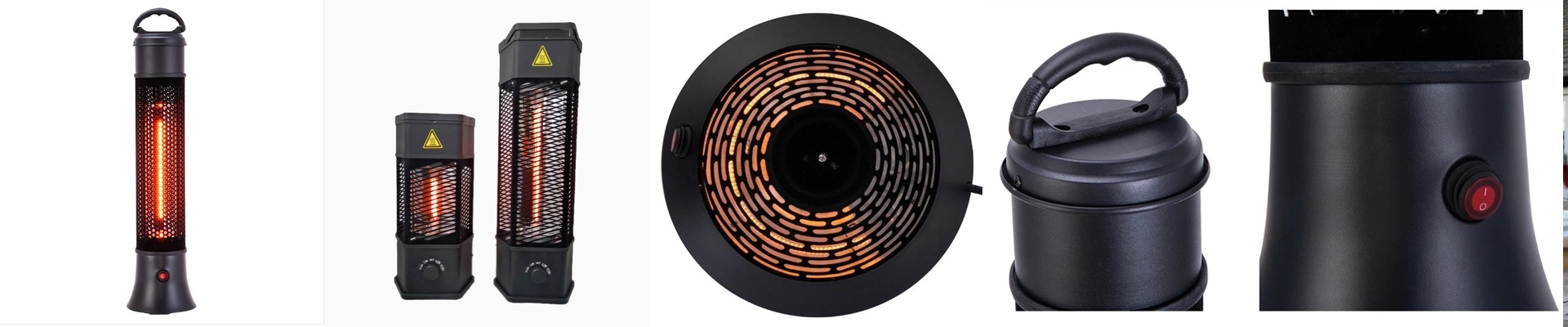

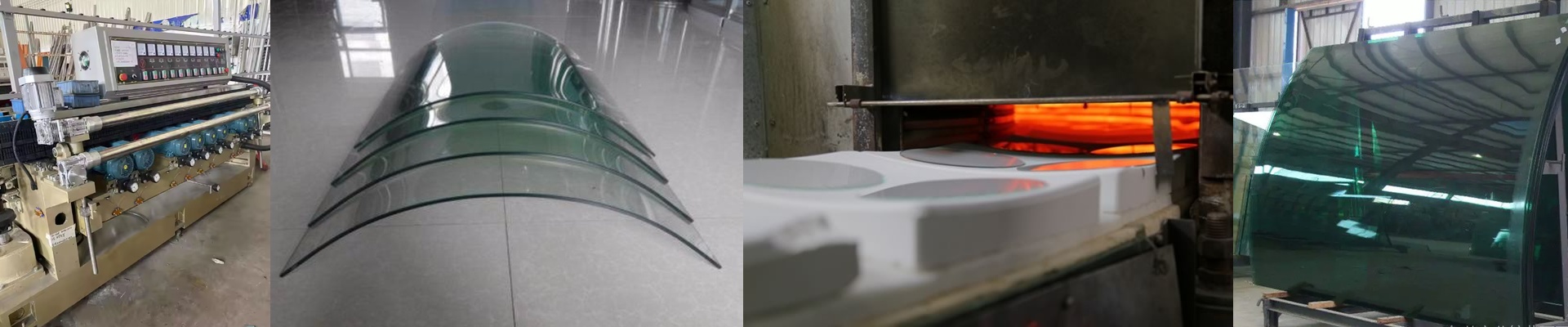
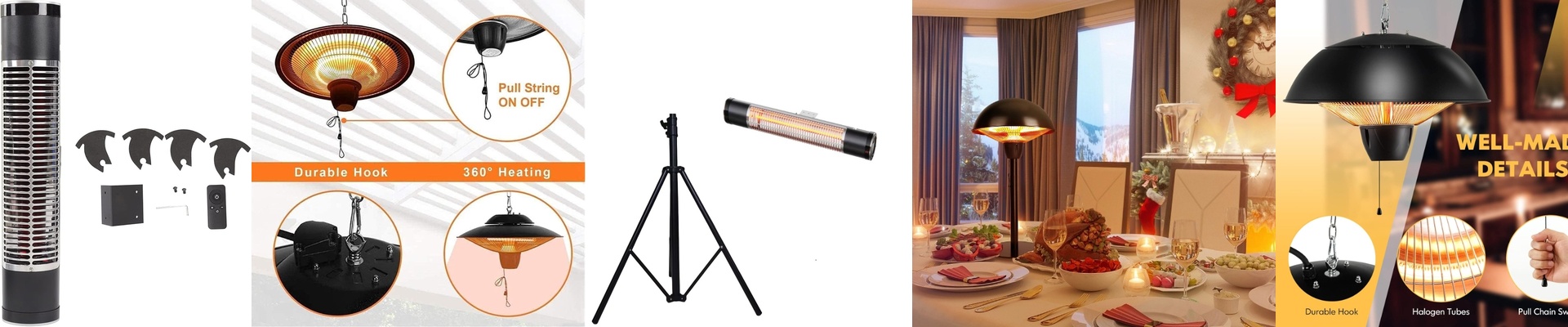
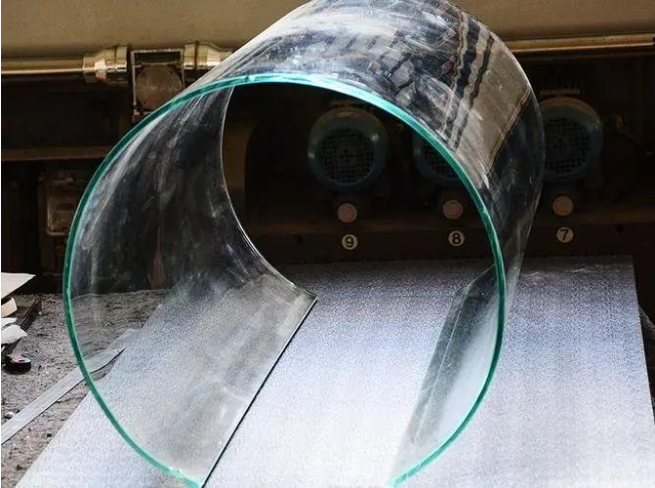
The line is moving. You hear the conveyor hum, the pneumatics cycle, and then the alarm slices through it—another reject off the tempering line, another delamination blister in the automotive lamination cell. Out on the floor, you know the pattern by heart: uneven heating across the glass, hot spots that drive thermal stress, and a heating module that can’t keep pace with takt. When heat delivery gets sloppy, yield falls, rework stacks up, and the energy meter climbs. Halogen infrared lamps were built to fix exactly that—delivering controlled, fast, repeatable heat without fighting your process window with convection. In our plants and in the field, the payoff is consistent: fewer fractures, faster cycles, and output that stays inside spec.
What matters, technically
Halogen infrared heating is short-wave radiant energy, centered on a tungsten filament sealed inside a quartz envelope, running hot enough to emit strongly in the near-infrared. Glass absorbs that spectrum quickly, so the heat lands where you want it, when you want it—without dumping energy into the surrounding air. We design these lamps around the realities of glass processing lines:
- Wavelength and response: Short-wave output peaks in the near-infrared, aligned to how glass absorbs. The payoff is a rapid temperature rise and immediate response to power changes, giving you tighter control over the thermal profile during tempering, bending, and lamination.
- Power density and control: Industrial halogen IR lamps pack high power density into a compact footprint—typical setups run 1–4 kW per lamp, with 240 V or 380 V three-phase options depending on the bank layout. Fast ramp-up and clean hold times matter when you’re chasing a precise temperature curve to hit optical quality and safety targets.
- Quartz build and thermal shock tolerance: Quartz envelopes handle rapid on/off cycling and high temperatures without cracking. In practice, that means the lamp survives line stops and restarts, and keeps working shift after shift.
- Focused heating geometry: Reflectors shape the beam and concentrate energy onto the glass surface. That gives you a more uniform thermal field across the width of the glass, reducing edge stress and preventing the uneven heating that shows up as optical distortion.
- Engineering for integration: The lamps are built to fit standard mounts and connections—common terminal blocks, robust ceramic sockets, and standard lengths and diameters that line up with OEM module dimensions. You can replace aging modules without redesigning the machine. Numbers matter, but so does how the system behaves on the line. A 2 kW lamp, for example, can bring a 3 mm automotive glass sample to tempering temperature in seconds, not minutes. That speed becomes throughput, and the repeatability becomes yield.
Why it works in real production
Halogen infrared lamps earn their keep because they hit the core constraints of glass processing: throughput, quality, and operating cost.
Tempering and bending
In tempering, you need uniform heating followed by a hard, controlled quench. If the heat is uneven, surface compression varies and you risk spontaneous breakage. Halogen IR gives you a consistent thermal field across the glass, so the quench produces predictable stress profiles. The fast response means you can tighten the process window, cut scrap, and run thick and thin glass on the same line with fewer parameter swings. On the bending side, the glass has to reach deformation temperature without sag or wave. Radiant heat delivers energy straight to the glass, reducing the influence of air currents and ambient temperature swings. The result is a smoother bend, less optical distortion, and fewer adjustments between changeovers.
Lamination (EVA, SGP, PVB)
Lamination lives and dies on temperature uniformity. Uneven heat gives you bubbles, haze, and weak edge adhesion. Halogen IR heats the glass and interlayer quickly and evenly, so the vacuum cycle does its job and the pressure rolls bond cleanly. Fast heating also shortens the dwell window, which helps throughput and reduces heat load on the rest of the machine. In automotive lamination—where the glass may include coatings, printed patterns, or acoustic interlayers—rapid heat modulation lowers the risk of localized overheating. You get repeatable bonding without scorching sensitive layers.
Coating drying and curing
Glass coatings—low-E, reflective, or protective layers—need drying or curing that’s fast and controllable. Halogen IR delivers rapid energy input that drives off solvents and cures the film without excessive bulk heating. That translates to a shorter line, lower energy draw, and coatings that meet film thickness and adhesion targets.
Insulating glass and edge sealing
The primary seal in insulating glass is the hot melt or secondary sealant applied after the spacer, but consistent heat control still matters for preheating and drying steps that prep the edge seal. Halogen IR provides localized heating that speeds up the preparation cycle without heating up the entire unit. That helps keep the desiccant effective and shortens overall process time.
Energy and uptime
Halogen IR heats the glass directly, not the air around it. That direct transfer cuts wasted heat and reduces the load on cooling and ventilation. On a high-volume line, the reduction in energy per part is measurable. Uptime is just as practical. The lamps start instantly and can be switched off without long cooldowns. When you clear a jam or reset a sensor, the line gets back faster, and the lamp keeps performing cycle after cycle. We’ve seen units run 5,000+ hours with less than 5% output drop when operated within rated conditions.
The things you learn the hard way
Halogen infrared lamps are tough, but they aren’t set-and-forget. Here’s what we tell our teams and our customers—straight from the floor.
- Match the fixture and optics: The reflector geometry defines the heating pattern. If you change lamp length or power density without re-evaluating the reflector, you change uniformity. Make sure the lamp, reflector, and mounting geometry align with the glass width and thickness you run most often.
- Control strategy matters: These lamps respond quickly, but that advantage only shows up if your control loop can keep up. Use a controller that can handle the fast dynamics of IR heating, and pair it with proper temperature feedback—pyrometers or thermal imaging where it makes sense. Without good sensing, you can overshoot and create thermal stress.
- Stay inside the operating envelope: Halogen lamps run hot. Keep clearances around the lamp and reflector, and make sure surrounding components can tolerate the radiant heat. Adequate ventilation prevents heat buildup in the cabinet and protects electronics and sensors.
- Plan for lamp maintenance: No filament-based lamp lasts forever. Treat periodic replacement as routine preventive maintenance. Keep spares on hand, and follow proper handling—clean gloves, correct seating, and the right torque on connections. A well-maintained lamp bank avoids the cost of unplanned downtime.
- Check compatibility before retrofitting: These lamps are designed as drop-in replacements for many standard heating modules, but machine mounting and electrical interfaces can vary. If you’re retrofitting an existing line, confirm connector type, dimensions, and power supply compatibility before you schedule the changeover. On the floor, the difference isn’t in the brochure. It’s the steady rhythm of the line, fewer alarms, and a stack of good parts that outpaces scrap. Halogen infrared lamps deliver heat where it counts, with control that keeps your process inside the window and your output consistent. If your work depends on heating glass quickly, evenly, and reliably, this is the heat source that will carry the load.