Why You Actually Need Explosion-Proof Quartz in Your Bathroom
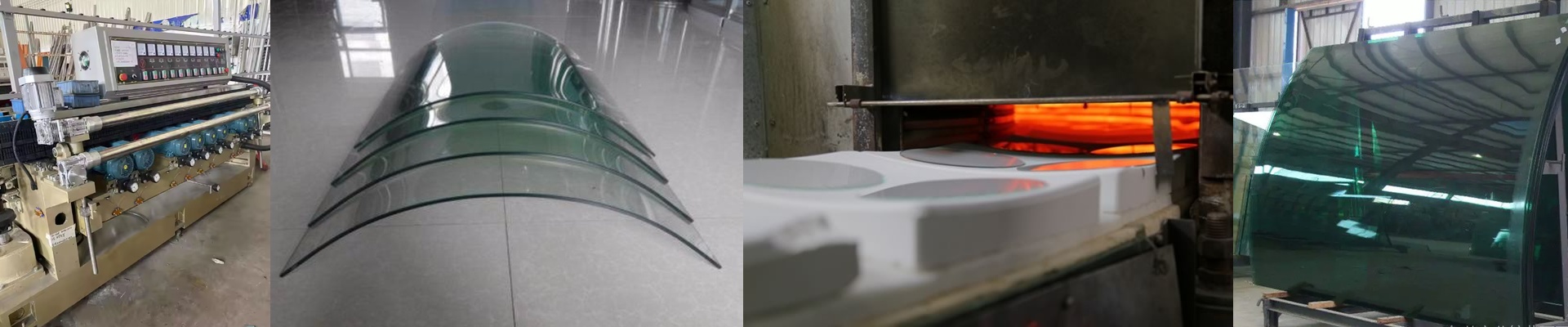
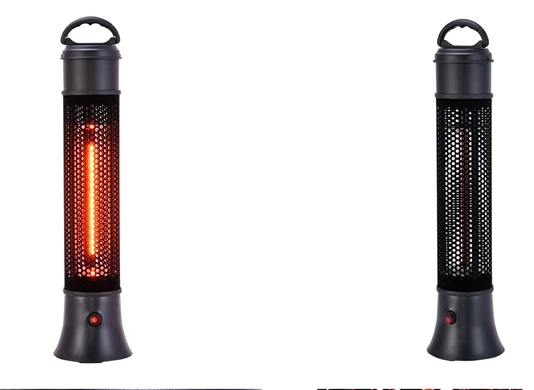
Let’s be honest: putting a heater in a shower is a bit of a gamble. You’ve got extreme heat on one side and freezing cold water splashing everywhere on the other. When a drop of cold water hits a quartz tube that’s glowing at several hundred degrees, things happen fast. Standard quartz just can’t handle that kind of shock. It panics. It cracks. And in the worst-case scenario, it shatters. That’s why “explosion-proof” quartz isn’t just a fancy marketing term—it’s the only thing keeping your bathroom floor from becoming a glass minefield. The science of the “pop” Quartz is great for infrared heaters because it lets the heat through without blocking it. But it has a major flaw: it hates sudden temperature drops. Think of it like pouring ice into a hot glass pan. The glass shrinks too fast in one spot, and snap. We use explosion-proof quartz to stop that from happening. By tweaking how the glass is made and how it’s tempered, the tube can take those rapid cooling cycles without falling apart. It’s not “indestructible”—nothing is—but it stops a simple splash from turning into a disaster. What’s actually happening inside the glass? Usually, this means the quartz has been reinforced or given a special coating. If a crack does happen, the tube stays together. It holds its shape. You still get that cozy, instant heat, but you don’t have to worry about shards of glass raining down while you’re scrubbing your toes. A quick word of caution Here’s the thing: the glass is only half the battle. These lamps get incredibly hot to give you that “instant-on” feeling. If you shove an explosion-proof lamp into a cheap, tight plastic housing with no airflow, you’re going to melt the plastic long before the glass even thinks about breaking. Plus, make sure you’re using high-temp wiring. Cheap insulation will fry at the terminals, and then your “safety line” doesn’t mean much. Do it right, and you’ve got a warm bathroom. Do it wrong, and you’ve got a mess.