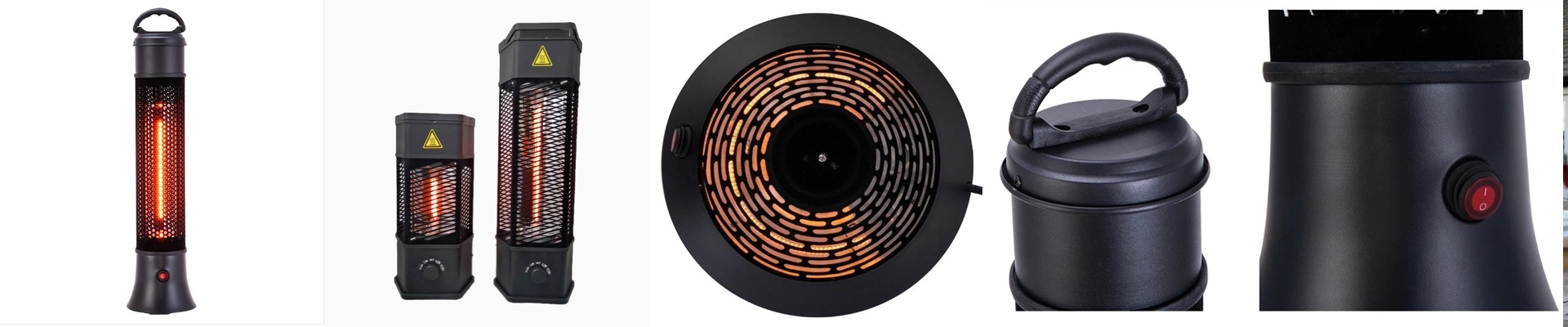

Voltage swings are the silent headache for indoor infrared comfort. In a lot of homes, the grid delivers small dips and surges that push components to their limit. You end up shortening lamp life, seeing output drop off, and sometimes watching protection circuits trip. The moment the heat wavers, the room feels less welcoming, and you’re staring at the thermostat instead of relaxing.
What actually matters under the hood
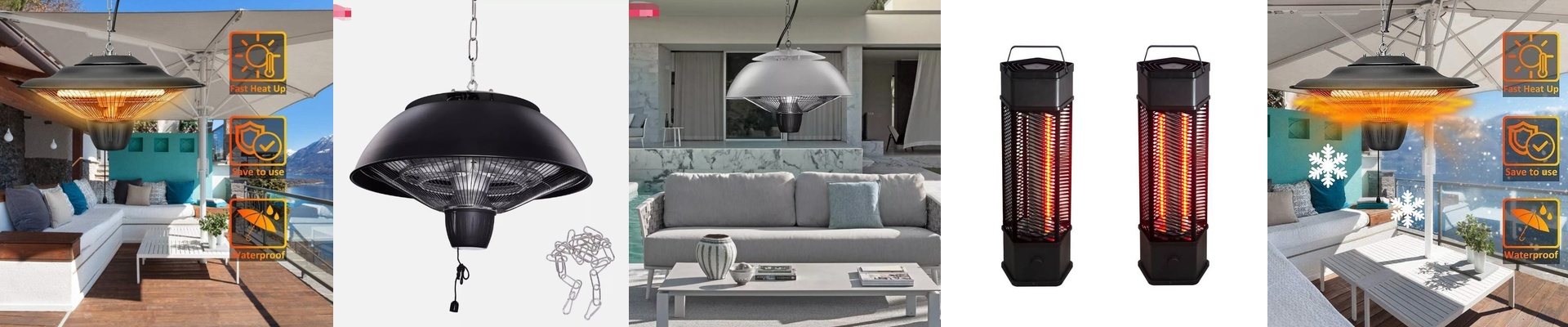
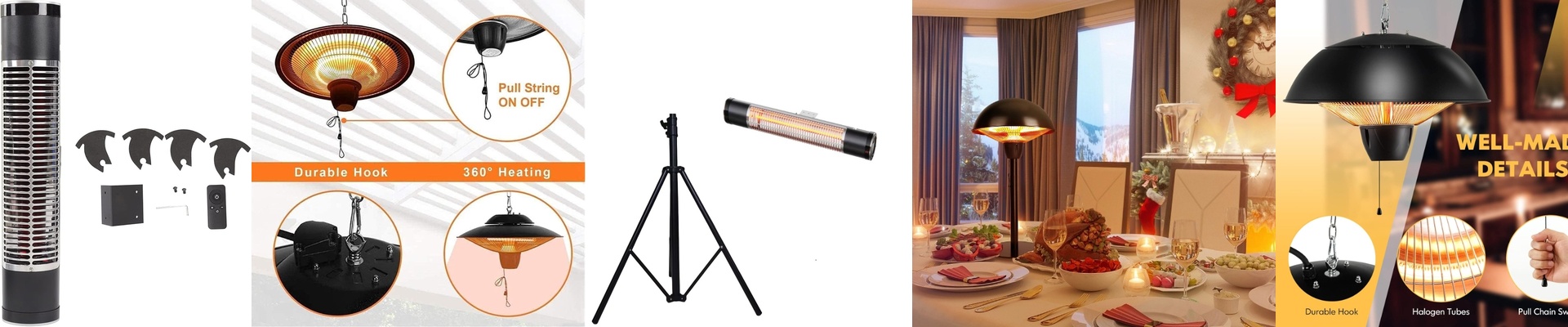
We build our wall-mounted infrared heaters around a voltage compensation circuit that holds the heating element’s power steady, even when line conditions aren’t. The system keeps an eye on input and adjusts on the fly, so the carbon fiber or quartz element runs at the temperature it was designed for instead of chasing an unstable supply. That matters because infrared output is tied directly to element temperature—keep that stable, and you keep the radiant warmth consistent. In the field, this approach cuts stress on joints, terminals, and the driver board. It also helps maintain even heat coverage across the floor and walls, not just at the heater. Fewer on-off cycles, less thermal shock, and a longer service life follow naturally.
Why this setup makes sense indoors
Wall-mounted infrared heating shines when comfort and efficiency need to sit at the same table. Because it’s radiant heat, it warms people and surfaces directly, so you feel cozy even when the air is cooler. Add voltage compensation, and the heater stays steady through brownouts and spikes—your living room, bedroom, or sunroom doesn’t get hit-and-run warmth. That reliability means fewer interruptions, more predictable energy use, and a heating experience that feels steady.
The details that keep it working
For performance, run the heater on a dedicated circuit with the right voltage and amperage rating. Match it with a thermostat that’s spec’d for the unit, and respect the clearances around surrounding materials. In very dry environments, keep the heater out of direct drafts that can blow dust into the housing. If you’re swapping out an older model, confirm your wall’s electrical box and mounting hardware can handle the load and weight. Choose a wall-mounted infrared heater with voltage compensation, and you’re choosing comfort that stays consistent—even when the power grid doesn’t.