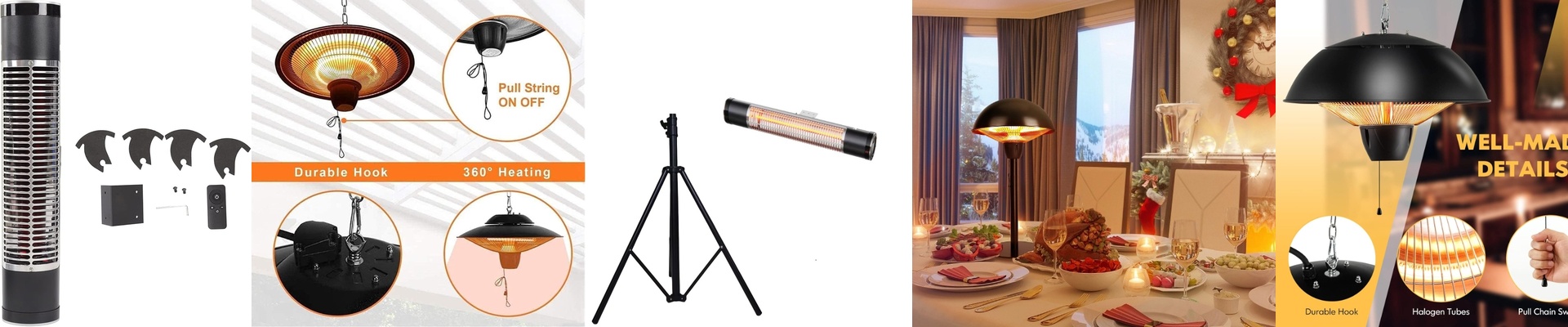
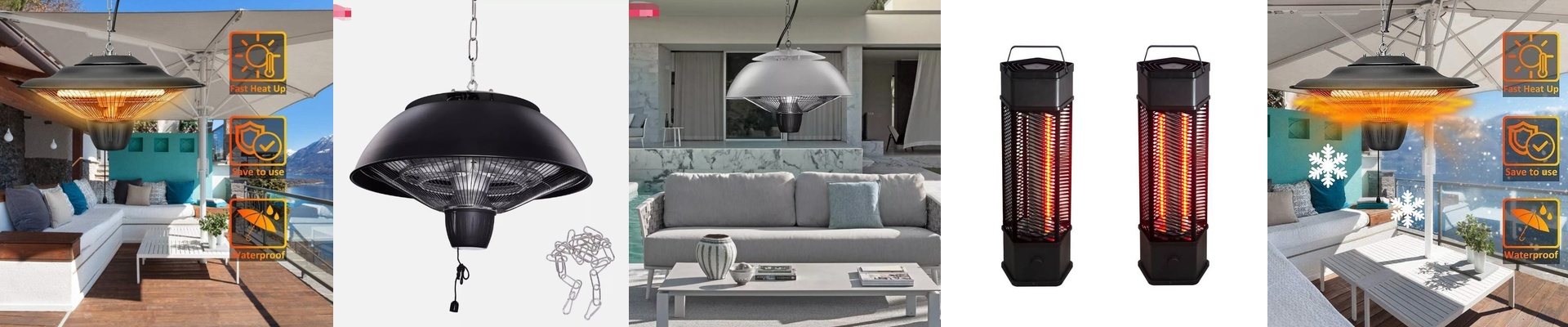
Wall-Mount Infrared Patio Heaters: Getting the Power Right for Your Space
Let’s talk about making your patio actually usable when the air turns crisp. Wall-mount infrared heaters aren’t just about throwing heat around. They’re about giving warmth exactly where you want it—without wasting energy. And honestly, the whole thing starts with choosing the right power for your space.
Power, Voltage, and Coverage: The Simple Truth
Infrared heaters are all about density—packing heat where you need it. The wattage on the lamp is what decides the output. For a small, cozy, enclosed patio, you can usually get away with 500W or 800W. But if you’re dealing with a larger, open-air setup, you’ll want to step up to 1500W or even 2000W. It’s a pretty straightforward match: the higher the wattage, the bigger the area you can cover. That’s how you keep things efficient—no overkill, no endless running. Then there’s voltage. Most units run on standard 220V–240V, which keeps the electrical work simple for homes. But for commercial spots, you might see 400V systems. A 400V heater pulls less current for the same wattage, which means you can use smaller wiring and lose less voltage over long runs. The catch? You’ll need a dedicated three-phase supply, which isn’t always available in residential settings.
What’s Inside: The Design That Makes the Heat Feel Right
These heaters use shortwave infrared halogen lamps. Inside that quartz glass envelope is a halogen gas fill, and it lets the filament run hotter and brighter than a regular bulb. The payoff? More radiant heat, and a warm-up that feels almost immediate. The lamp also has a coating that filters out visible light. So you get focused warmth without that harsh glare in your eyes. And the connectors—typically R7s or Sk15—are built for high heat. They stay solid through repeated on/off cycles, resisting vibration and thermal expansion so you don’t get arcing or early failures.
Why Wall-Mount Makes Sense (and How to Avoid the Common Mistakes)
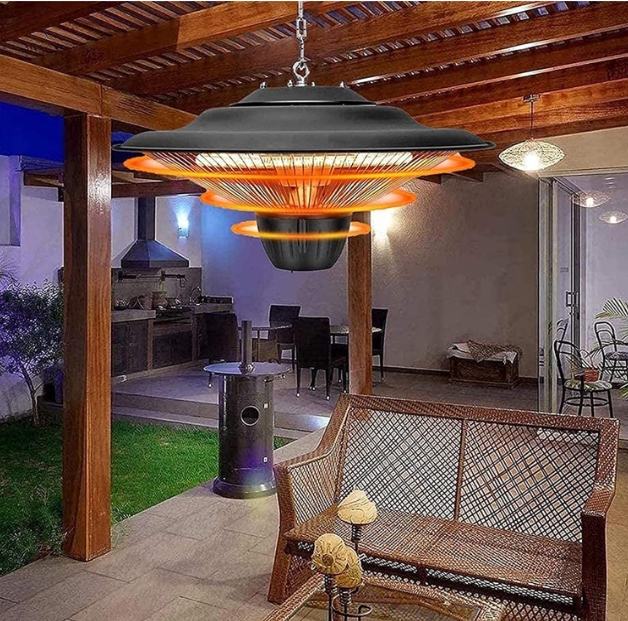
Wall-mounting is a smart move because it clears floor space and directs heat downward—right where people are. The real win, though, is matching the lamp’s wattage to the size of the area. Take a 1500W unit: it can comfortably heat a patio around 150–200 square feet. If you go too low on power, the heater will run constantly, and your energy bill will let you know. If you oversize it for a small space, it will cycle on and off too often, which shortens the life of the lamp and components. Installation is straightforward. Mount the bracket, wire it up, and you’re done. There is one thing to keep in mind: infrared heat is directional. It warms people and objects, not the air. So on a windy night, the warmth you feel can drop. That’s just part of the equation, and it’s why placement matters.
Getting the Balance Right
When you pick the wattage that fits your space, the heater becomes a no-fuss part of your setup. It turns on when you need it, uses energy only as needed, and delivers steady warmth season after season. No wasted heat. No guesswork. Just a patio that stays comfortable, even when the temperature decides otherwise.