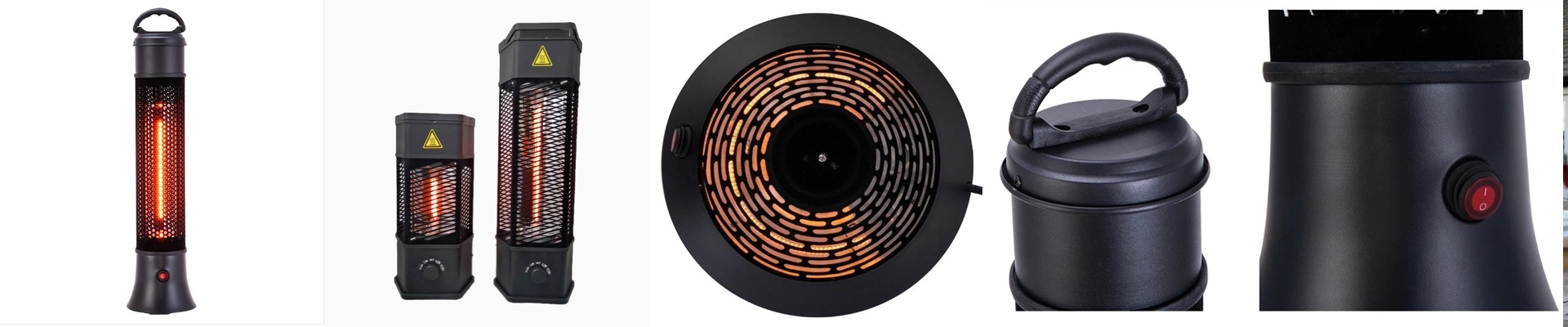

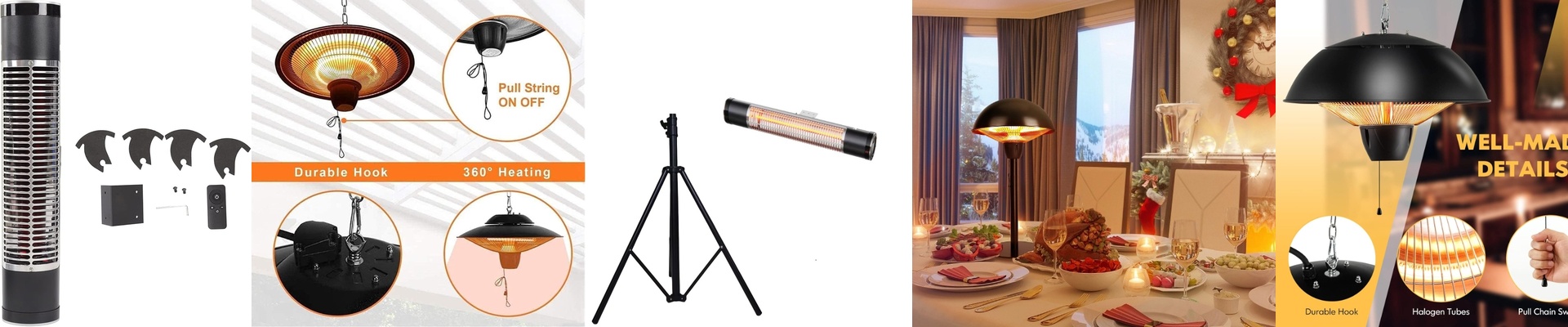
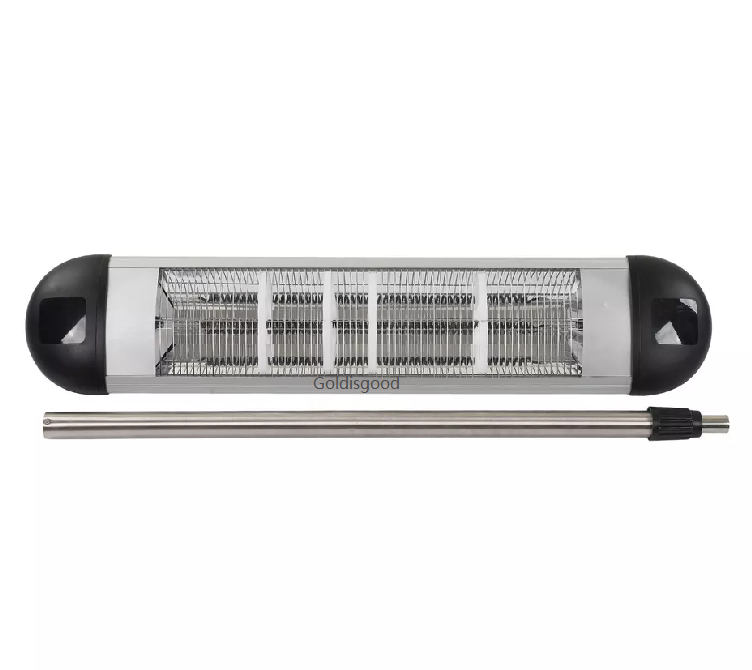
On the shop floor, a temperature drop isn’t just uncomfortable—it drags the whole day down. Hands get stiff, tolerances start to drift, and the job takes longer because the space just won’t warm up. A Workshop electric heater has to flip that fast, and keep running reliably through dust, long hours, and the inevitable service call. What matters, technically We built this around infrared radiant heat, so the warmth lands directly on people, tools, and workpieces—instead of heating air that leaks out through vents and doorways. The heating elements are quartz tubes, chosen for quick heat-up and steady output, so you get comfort immediately without waiting on a long convection cycle. Infrared also keeps heat more even across height, so you don’t get that “hot head, cold ankles” feel typical of forced-air units. Power is sized for real workshop loads, with common voltage configurations to match your electrical setup, so you can put the heater where you need it without rewiring the whole building. It’s controlled by a thermostat for steady temperature, and safety is covered with tip-over protection and overheat protection. The exterior finish is tough enough for workshop conditions, and the core layout keeps service points accessible. Why it holds up in practice The difference shows up when maintenance is due. The design is modular, so the heating tubes can be swapped quickly when service is needed. If a replacement comes up years later, you can change the tube without tearing the whole unit apart or scheduling an extended shutdown. Less downtime, fewer labor hours, and you’re back to work fast. Because infrared warmth is aimed where you stand and work, the shop feels usable sooner. Operators stay more comfortable through the day, which helps with focus, dexterity, and consistent quality. And since the heat is concentrated on the task zone, it can be more efficient than trying to heat the full volume of air—especially in spaces with high ceilings or big open doorways. What to keep in mind This workshop electric heater is designed for indoor workshop use, and it performs best when it’s aimed at the primary work area. For the best results, place it so it radiates directly onto the workbench or operator station, and keep the radiant path unobstructed. It needs a dedicated outlet and a stable, level mounting surface to operate safely. One practical note: the modular tube replacement is fast, but you still have to power the unit down and let it cool before servicing. Plan the swap for a short break, and keep a replacement tube on hand so you don’t get stalled.