Introduction
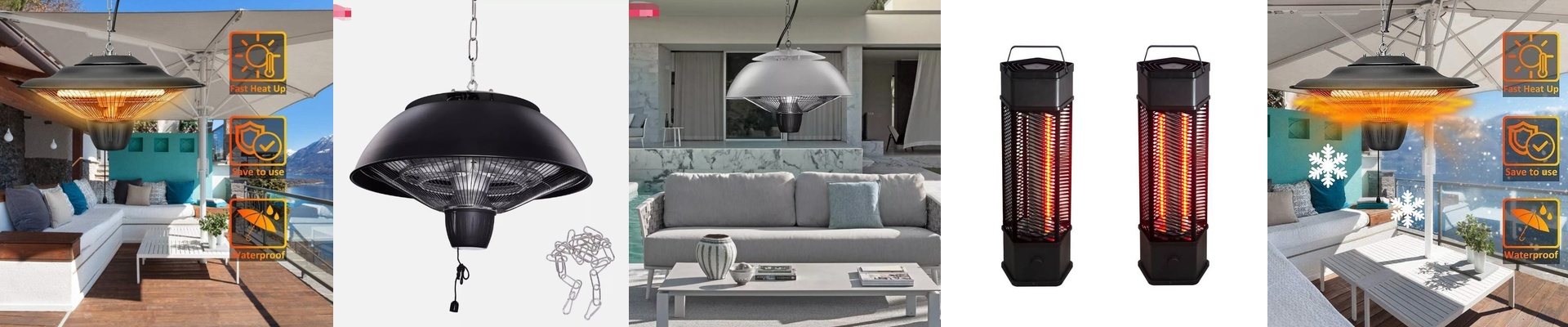
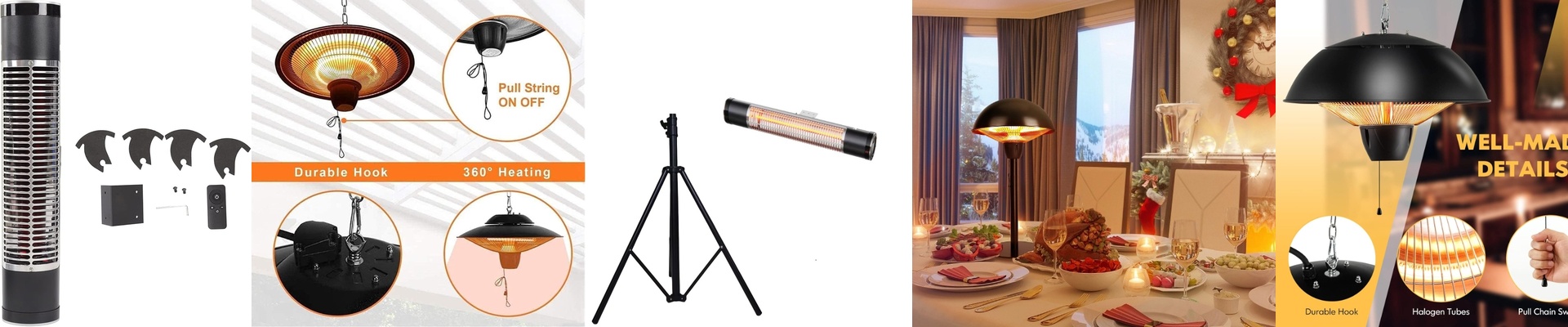
You know that frustration. You’re running a glass coating line, and you watch as those mirrors come out—streaked, ruined. It’s usually one thing: uneven heat from the drying lamp. We built our shortwave infrared heating lamps to fix that. They heat the surface evenly, flash moisture away fast, and give you a clean, consistent film. No stripes. Just smooth, reliable results.
Power, Voltage, and Size: What It Takes
These lamps run on a high-output 400V setup, because big glass surfaces need serious muscle to dry quickly. The tube is 300mm long—a deliberate fit for standard coating lines, so you don’t have to redesign your machine. At 2500W, it hits the heat density needed to evaporate surface moisture in seconds. That speed keeps the glass temperature steady, so you don’t get warping. Just one note: this level of power needs a solid electrical supply. Make sure your line can handle the peak load, or you’ll get voltage dips when it’s working hard.
The Details That Prevent Headaches
The quartz tube is coated to keep emissivity even across the whole heating surface. That means no hot spots—and no more uneven drying that causes those stubborn coating stripes. We use an R7s connector, the industrial standard for high-heat lamps. It handles the current safely and installs quickly, without tools. And it stays tight through repeated heat-up and cool-down cycles, so you won’t worry about connection failures when the system is cycling.
The Payoff: Uniform Curing, Better Glass
On a glass mirror line, uniform curing is everything. Our IR lamps lay down a flat thermal profile across the surface, so moisture pockets don’t hide and create streaks. The outcome? More first-pass product. Less rework. And faster line speeds. And the best part: it’s a direct drop-in replacement. You can upgrade your setup without shutting down. Just keep in mind—to get that level of uniformity, you’ll want to pair the lamp with solid thermal management, so the surrounding components don’t get too hot.