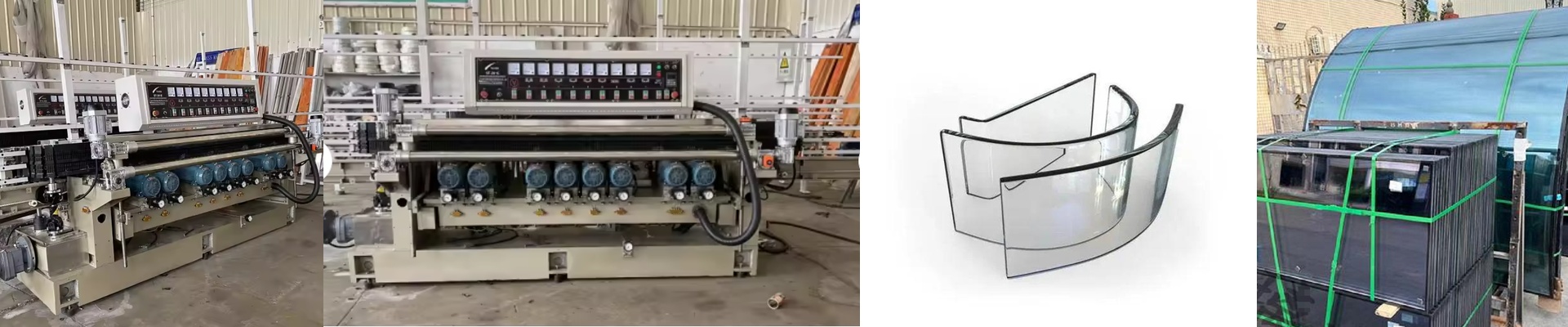
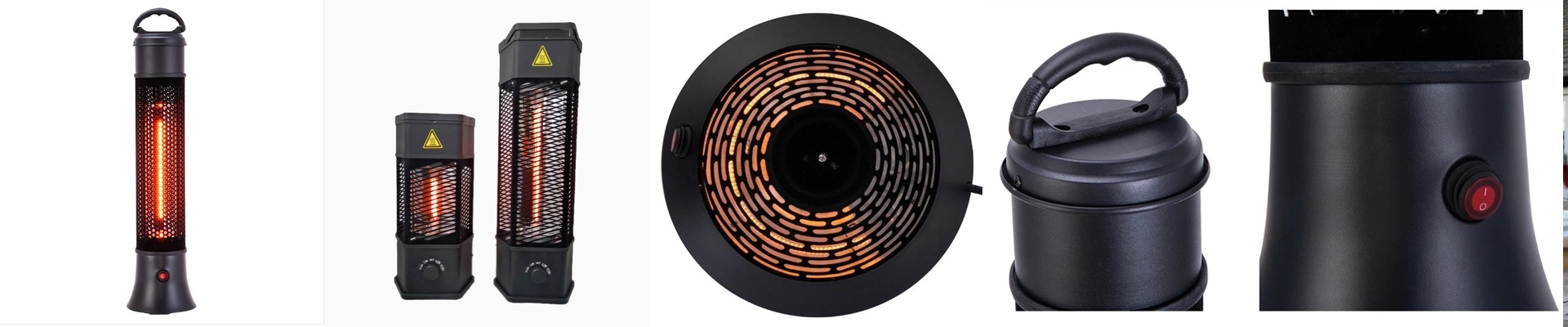
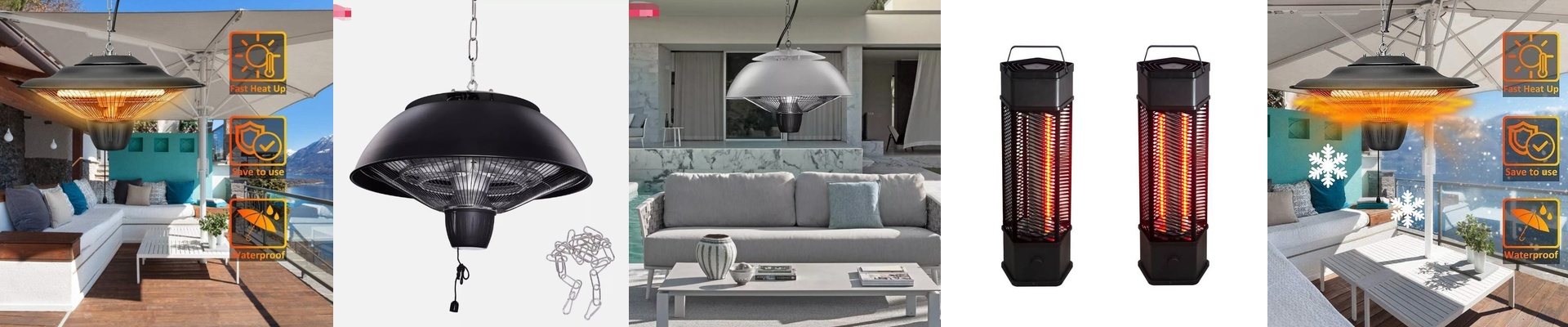
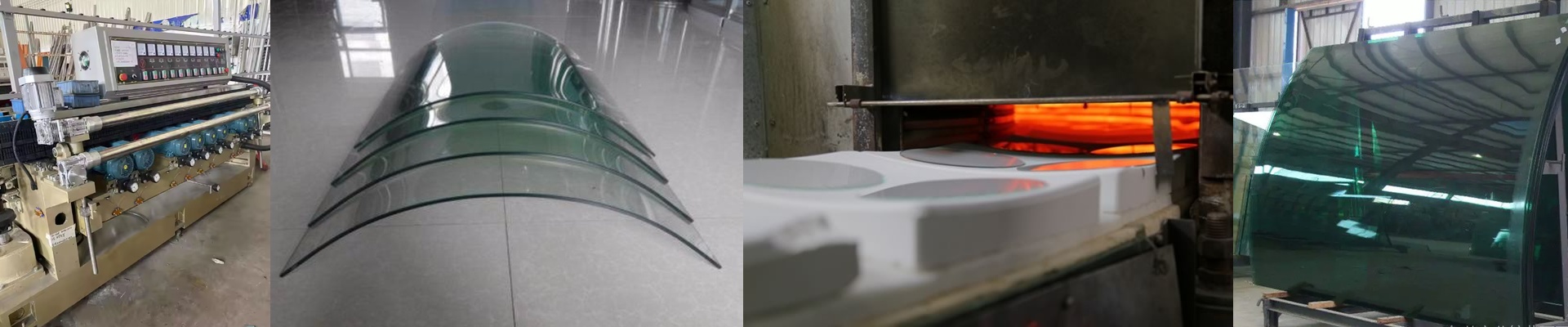
Out on the line, glass doesn’t wait around. A furnace that drags on heat-up drags the whole tempering or lamination cycle with it. And when the thermal field isn’t even, you see it immediately—optical distortion, stress fractures. We built the ruby glass infrared lamp to get to a repeatable temperature fast and hold it there, so your furnace, bending station, or autoclave keeps moving. The heart of it is NIR in the 0.75–1.2 µm band, delivered through a ruby-doped quartz envelope. That wavelength gets absorbed hard by glass and a lot of coatings, so the energy goes where it needs to—into the surface—instead of wasting time heating air and fixtures. What you get is direct, volumetric-style heating that shortens soak time and cuts down on convection drift. The output density is set for industrial work: dense filament arrays and tight tolerances on hot-zone uniformity. You get fast thermal response, stable emissivity cycle after cycle, and consistent performance even when you’re power-cycling a lot. On the floor, that translates into quicker ramp-ups before bending, tighter control during tempering, and faster drying in coating and lamination without scorching the interlayers. Energy use drops because less heat is lost to the chamber. For insulating glass sealing, the lamp brings the edges up to sealing temperature quickly, which helps you hold a repeatable seal profile. The units are designed as drop-in modules for common furnace and autoclave interfaces, with standardized mounting and wiring options. Installation is straightforward, but alignment is where you earn your pay. The lamp has to be positioned so the focal plane matches the glass path; even a small offset will give you hot and cold bands. You’ll want to verify reflector geometry and recalibrate emissivity settings when you switch glass types or thicknesses. Run within the rated voltage window, and plan inspections around your high-duty schedules to keep output stable over 5,000+ hours.