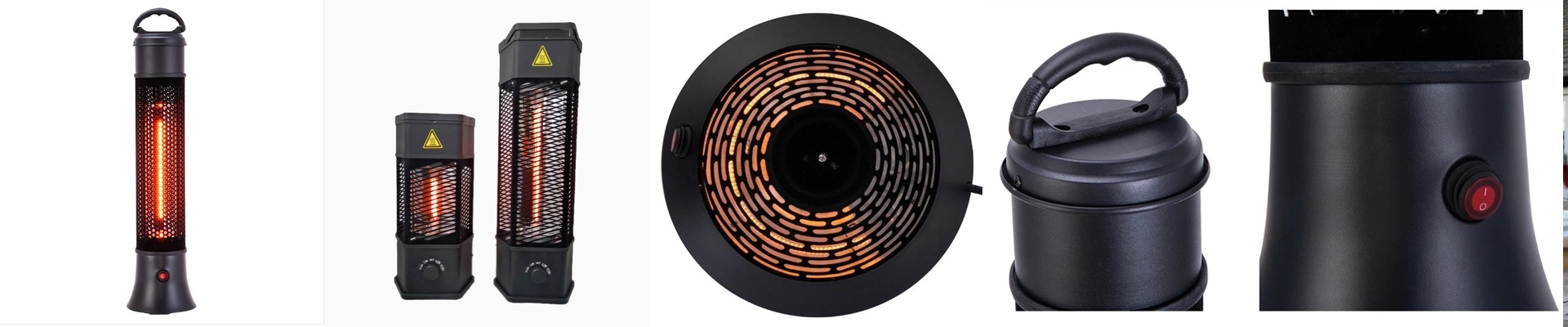
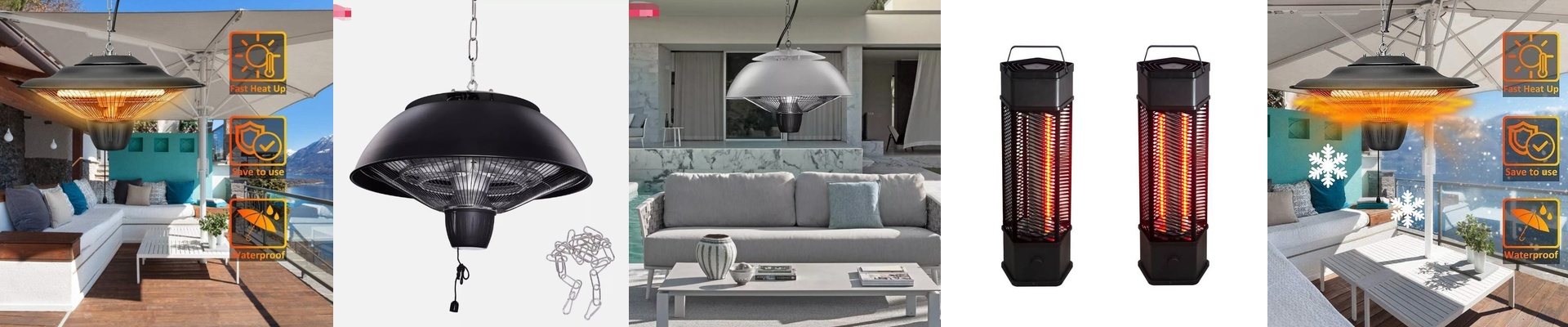
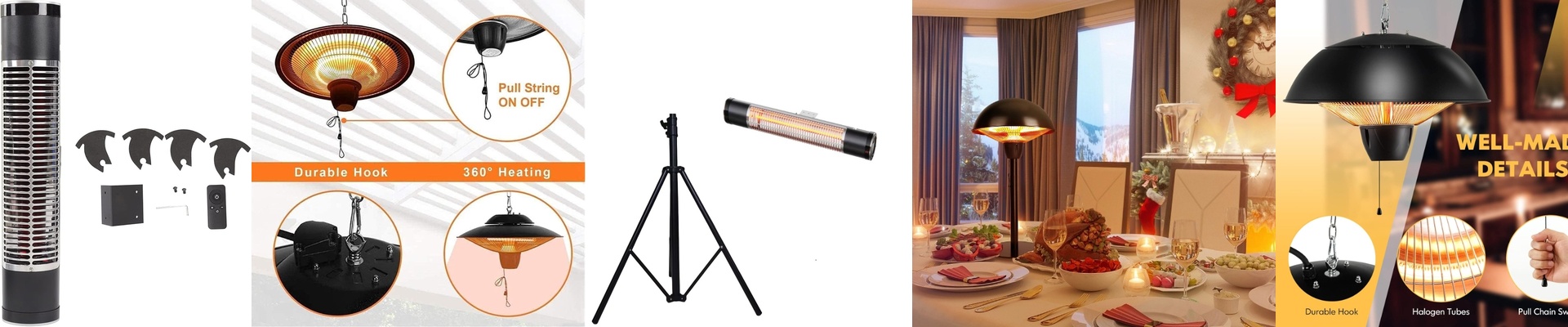

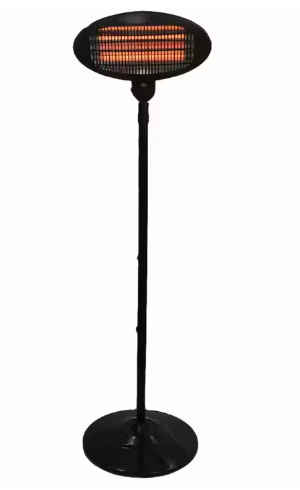
In a nursery, the air has a particular feel—quiet, still, and carefully managed. A heater that clicks on and off with a mechanical clunk can startle a sleeping infant, and anything that pulls oxygen from the room leaves the space feeling stuffy and dry. We built our 3-phase electric infrared heater for that exact reality: silent, oxygen-free warmth that keeps the environment calm and comfortable.
What matters, technically
This unit runs on radiant infrared technology, sending heat directly to people and surfaces without trying to warm the air itself. The payoff is steady warmth with no combustion and no oxygen consumption. A 3-phase electric supply powers the system efficiently, spreading the load across three live conductors so the heater can run at high output with lower current per leg—often more stable than a single-phase circuit when you’re running longer duty cycles. Inside, a durable emitter element turns electricity into gentle, directional heat, and an integrated thermostat helps hold the set temperature without the constant on-off jolting you get from some heaters.
Why it fits this space
When you’re heating a home with an infant, peace of mind is the real benefit. Because the heater doesn’t burn fuel or draw oxygen from the room, indoor air stays closer to its natural balance, and you don’t have an open flame or hot coil that can push comfort into the “too dry” zone. Operation is quiet, too—no loud fans, no mechanical cycling that interrupts sleep. The warmth arrives quickly, so the nursery feels cozy when you need it, and the heat stays even across the space. That evenness helps you avoid the urge to crank the room temperature just to feel comfortable.
Things to know before you set it up
This heater needs a dedicated 3-phase electrical installation, typically with proper overcurrent protection and a compatible control system. Work out the wiring and placement with a qualified electrician so it matches your home’s capacity and local code. Infrared heat is efficient and comfortable, but it performs best when aimed at the areas you actually use.Positioning matters—get it right and you avoid hot and cool spots, and you get the full benefit without overreaching.