
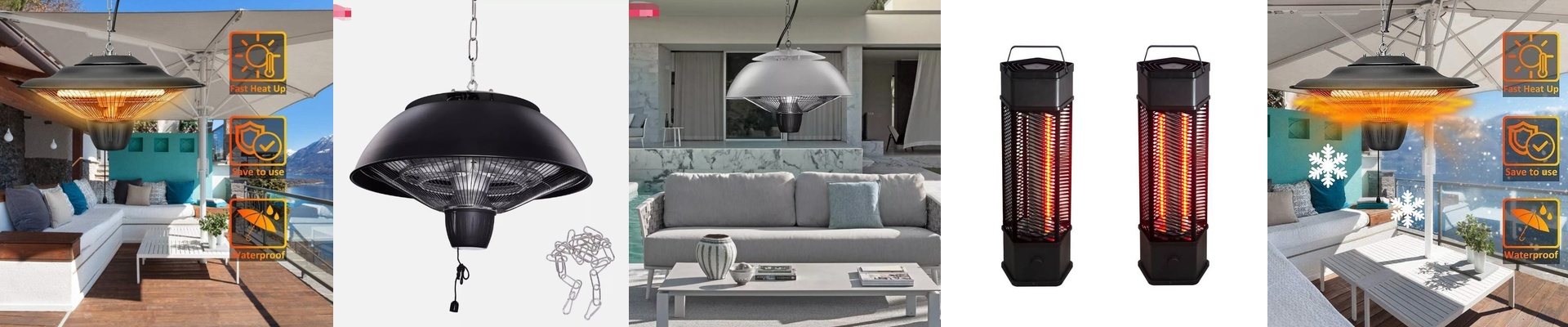
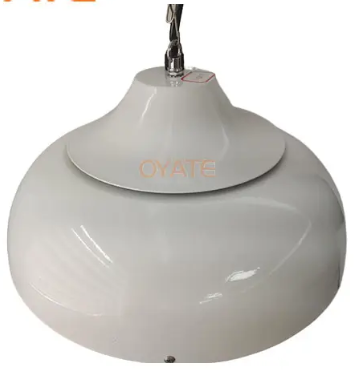
Putting an infrared heater in a bathroom is basically a battle against steam. Water and electricity don’t get along. If your insulation slips up, you’re looking at a leakage current or, worse, a total short circuit. To stop that from happening, we focus on one thing: building a rock-solid physical wall between the live wires and the outer shell. Keeping the electricity where it belongs To stop those pesky leaks, we use double-insulated housing and high-grade dielectric materials. But the real secret is in the heating element. It has to be completely sealed off. We use quartz glass tubes that are fused tight at the ends, which keeps steam from sneaking into the filament chamber. Because if a tiny bit of moisture hits that filament? Boom. The lamp is dead instantly. We also don’t mess around with the wiring. You’ll find silicone-insulated cables here. Standard PVC is great for some things, but it tends to melt or crack when a heater goes through its heat-and-cool cycles. Silicone just handles the heat and keeps the dampness out. Safety and grounding You can’t just trust the housing to do all the heavy lifting. We add a dedicated earth ground wire tied straight to the metal chassis. That way, if a wire frays or a seal gives out, the current trips your breaker instead of turning your ceiling mount into a live wire. The connection points are usually where things go wrong. That’s why we use IPX4-rated enclosures—or better—to keep splashes away from the terminals. And a pro tip: use a drip-loop in your wiring. It stops condensation from running right into your electrical junctions. The trade-offs Here’s the catch. Better insulation means the heater takes up a bit more space. You’re trading a super-slim look for total peace of mind. Plus, when you seal things up tight, heat can get trapped inside. We have to be really careful with how we calibrate the thermal cutoff switches so the unit doesn’t overheat during a long shower. If you’re putting a high-wattage lamp in a small, sealed box, just make sure there’s enough airflow around the chassis. Otherwise, your components are going to burn out way sooner than they should.