

Keeping Your Bathroom Heater Alive in a Steam Room
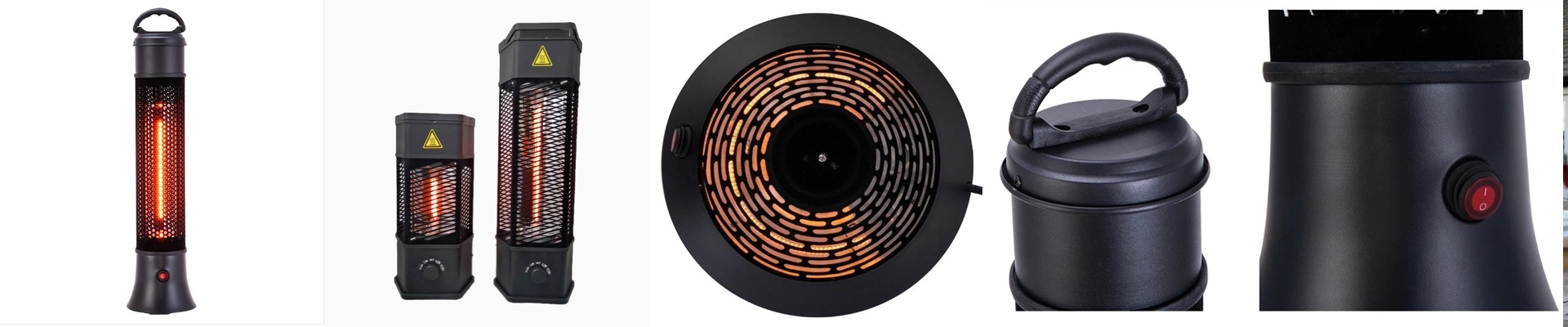
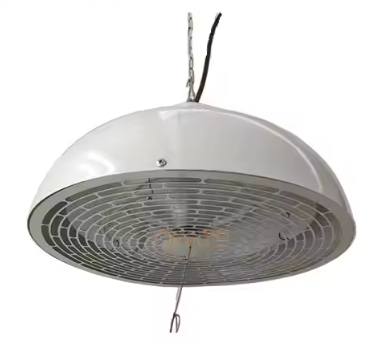
Let’s be honest: bathrooms are absolute torture for electronics. Between the thick steam, the accidental splashes, and the wild swings in temperature, it’s a recipe for disaster. If a bit of water hits a hot quartz tube or leaks into the wiring, the whole thing is toast. That’s why we don’t just slap a cover on our infrared heaters and call it a day. We actually build them to survive the humidity. The battle against leaks Water getting inside is the number one reason these heaters die early. To stop that, we use heavy-duty gaskets and sealed housings. But here is the real secret: it’s not just about the seals. It’s about where the wires go. We route the circuitry away from any spot where a drip might actually land. We also use seals that stop steam from turning back into water right on the electrical contacts. It’s a small detail, but it’s the difference between a heater that lasts years and one that shorts out in a month. Dealing with the fog You know that annoying fog that builds up on mirrors? It happens to heaters, too. When moisture clings to the lens, it blocks the heat from actually reaching you. To fix this, we designed the heater to stay just warm enough on the outside to keep the dew point at bay. No fog, no spots, and no barrier. You just get the warmth immediately. One quick heads-up on installation There is a bit of a catch when you seal something this tightly. While the heat goes out toward you, the internal parts—like the driver and the wiring—can get a bit sweaty and hot inside the box. Because of that, you can’t just jam the unit into a tight, unventilated corner. It needs a little bit of breathing room behind it. If you mount it completely flush against a wall with zero airflow, those internal capacitors are going to bake, and that’ll kill the unit way faster than any splash of water would. As long as you give it a little air, these things are built to take a beating.