

Stop Replacing Your Table Heaters: How We Fixed the Moisture Problem
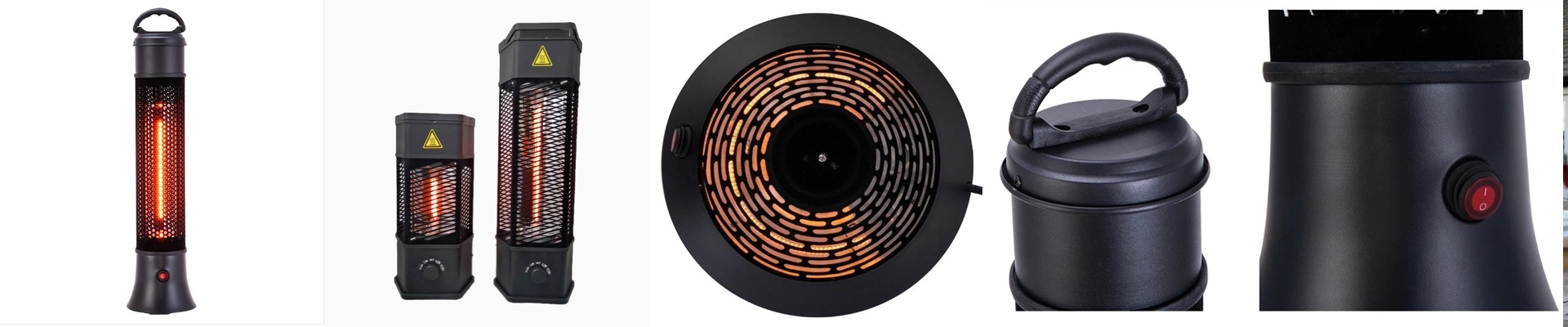
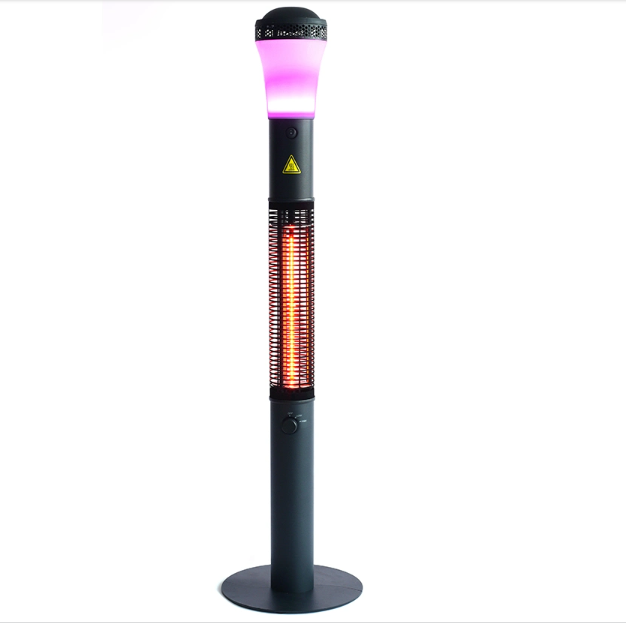
Let’s be honest: water and infrared heaters don’t get along. If you’ve ever run a shop or an industrial kitchen, you know the drill. A little bit of condensation here, an accidental splash there, and suddenly your heating element shorts out or the filament just gives up. It’s frustrating, it’s expensive, and it happens way too often. We got tired of seeing these units die young, so we changed how we build them. Dealing with the splashes Here is the problem with standard IR heaters: when a drop of cold liquid hits a scorching hot quartz tube, the glass cracks. It’s called thermal shock, but it basically just means your heater shattered. To stop that, we wrapped everything in splash-proof housings and sealed the junctions tight. We pushed the IP rating higher so water can’t sneak its way into the wiring. It keeps the electricity where it belongs and the water where it doesn’t. Then there’s the fog. In a humid room, moisture clings to the lens or the reflector. It creates this cloudy layer that blocks the heat, meaning your target doesn’t actually get warm. Not great. We fixed this with some clever anti-fog coatings and a better airflow path to keep the surface crystal clear. The catch (because there’s always one) Now, there is a trade-off. When you seal a heater to keep water out, you’re essentially creating a heat trap. Since there are fewer gaps for air to move, the inside of the housing gets hotter than it would in an open-air model. Because of that, you can’t just tuck these into a tight corner. Give them some breathing room. If the unit can’t vent, you’re risking the internal wiring. What this actually means for you The goal here was to end that annoying cycle of “burn out, replace, repeat.” Instead of swapping out lamps every few months because of corrosion or a cracked tube, the sealed design actually protects the filament. You get steady heat and—more importantly—you don’t have to deal with unplanned shutdowns in the middle of a shift. Just wire it into a properly grounded circuit, and it’ll handle the daily beating of a wet workspace without breaking a sweat.