Why we put our bathroom lamps through the “steam torture test”
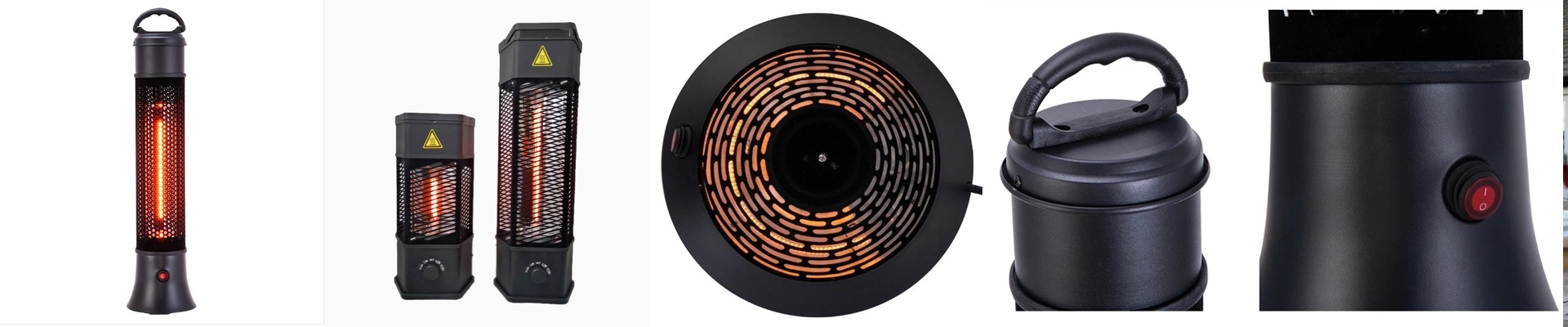
Let’s be honest: bathrooms are a nightmare for electronics. You’ve got thick steam, wild temperature swings, and constant moisture hanging in the air. If a heating lamp isn’t built specifically for that chaos, the seals give out, the filament ruins, and the whole thing burns out in a few weeks. Nobody wants to deal with that. That’s why we don’t just hope for the best—we put our lamps through damp-heat aging tests to make sure they actually survive. The humidity problem Most of these heaters use shortwave infrared quartz lamps. For these to work, the quartz tube has to be completely airtight. Here’s the thing: if even a tiny bit of water vapor sneaks past the seal or messes with the base, the filament dies early. To stop that, we toss our lamps into chambers with 95% humidity and crank up the heat for hundreds of hours. It’s basically a pressure cooker for hardware. If there’s a weak spot or a bad seal, it’ll show up there—long before the product ever reaches your house. It’s all about the seal We spend a lot of time obsessing over where the quartz tube meets the electrical contacts. In a dry living room, a basic seal is fine. In a steamy bathroom? It gets hammered. We test the adhesives and the glass-to-metal seals to make sure they don’t degrade when things get soggy. If that seal leaks, the halogen gas escapes. And when that happens, a lamp that should have lasted thousands of hours suddenly dies in a few dozen. Not a great look. The trade-off To make these lamps bulletproof, we use heavy-duty sealing and moisture-resistant coatings. Now, this does change the heat distribution a tiny bit. If you compared it to a raw industrial lamp, the infrared spectrum might look slightly different. But in the real world, that’s a trade we’re happy to make. I’d much rather have a slightly different heat profile than a lamp that shorts out the first time you take a hot shower. We build these to survive the steam, not just to look good on a spec sheet.