
Why Your Bathroom Heater Keeps Dying (And What Actually Works)
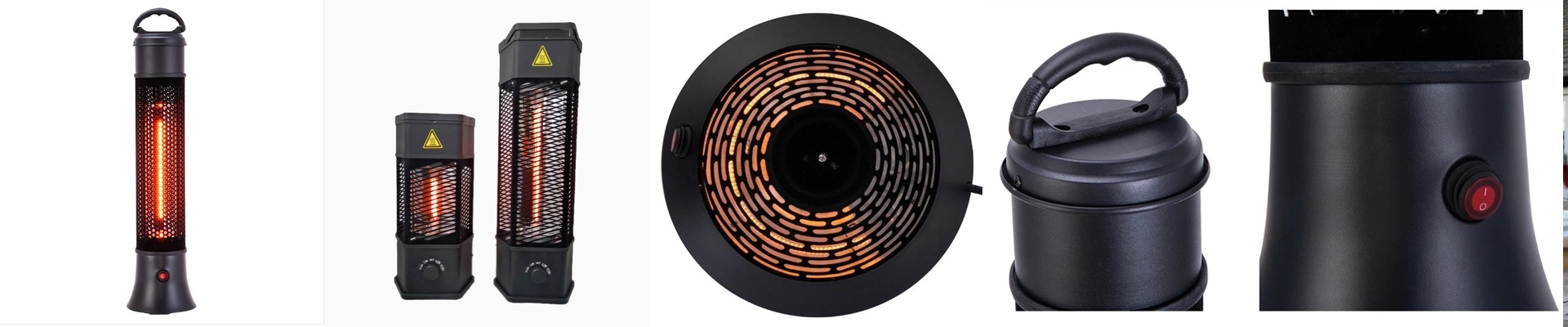
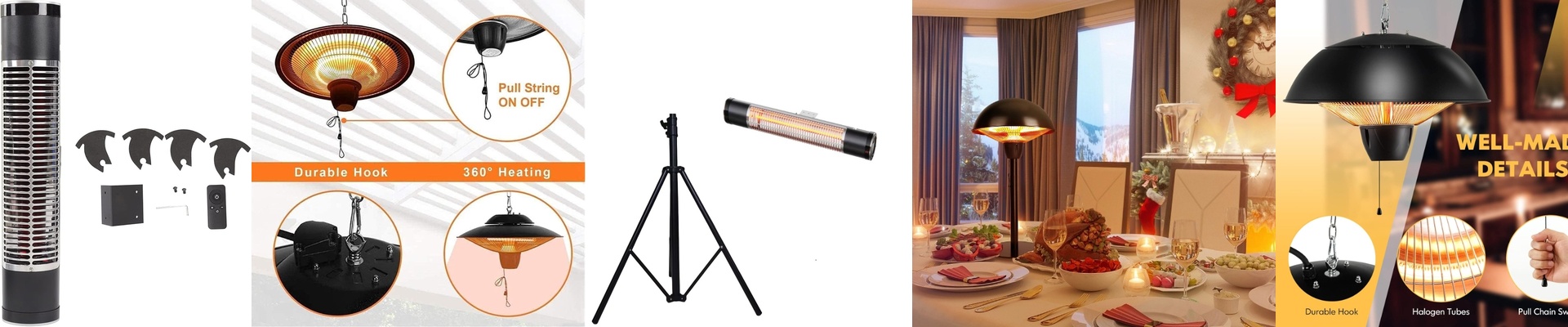
Let’s be honest: those old-school bathroom “lamp heaters” are a bit of a gamble. You know the ones—those glowing quartz or halogen tubes. They feel great for a minute, but they aren’t really built for the chaos of a steamy shower. Between the thick fog and the random splashes of water, those exposed filaments just give up. They oxidize, they short out, and suddenly you’re stepping out of a hot shower into a freezing cold room. It’s a miserable way to start the day. That’s why we’re seeing everyone move toward high-IP waterproof infrared heaters. Basically, they wrap the guts of the heater in a protective shell so the moisture can’t get in to wreck the electronics. The secret is in how they heat. Most heaters try to warm up the air around you. Infrared is different. It sends out a wave of heat that hits you—and your skin—directly. It feels more like standing in the sun. But here’s the clever part: by sealing that emitter in a waterproof casing (look for IP44 or higher), the water vapor never actually touches the hot glass. That’s huge. If a cold drop of water hits a 500°C surface, the glass can literally shatter from the shock. Sealing it off stops that from happening. But you can’t just buy the cheapest thing on the shelf. You can’t just slap a piece of plastic over a cheap heater and call it “waterproof.” If you’re putting this in a high-humidity zone, the build quality matters. We use heavy-duty gaskets and alloys that won’t rust away after two winters. Also, keep in mind that these units pull a lot of power. You’ll want them on their own dedicated circuit. Otherwise, you’re just waiting for the moment you trip your breakers mid-shower. The trade-offs. Nothing is perfect. These infrared units are a bit bulkier than those slim halogen bulbs, so you’ll need a bit more room in your ceiling. And because the heat has to pass through a shield to keep the water out, you lose a tiny bit of that raw “punch” compared to an exposed tube. It’s not a big deal—you just bump up the wattage to make up for it. One last tip: use a moisture-resistant switch. If you skimp on the wiring, heat builds up in the conduits and eats away at the insulation. Do it right the first time, and you won’t be replacing the whole system in a year.