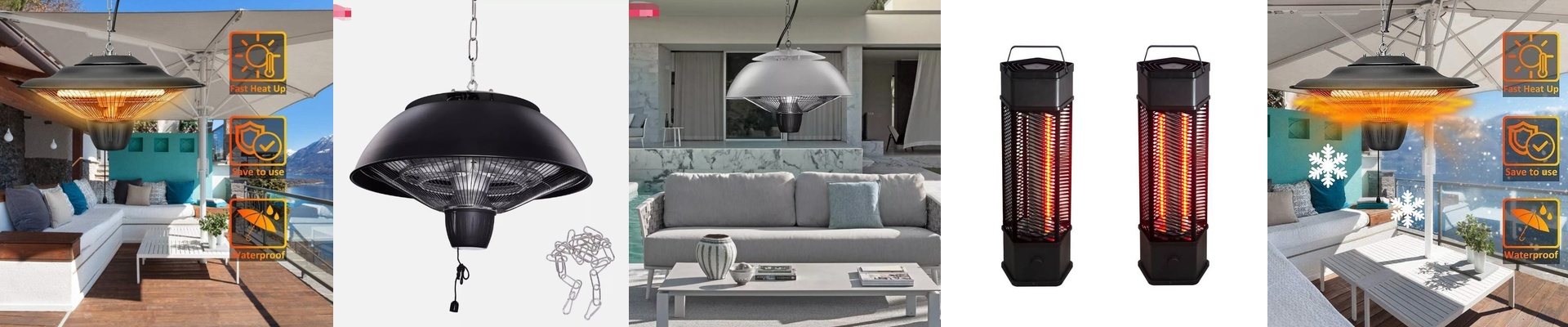

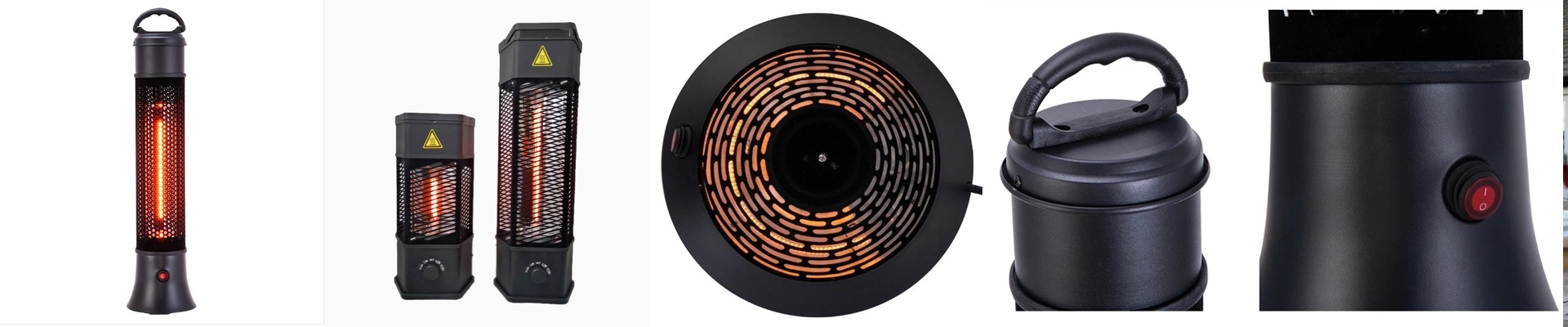
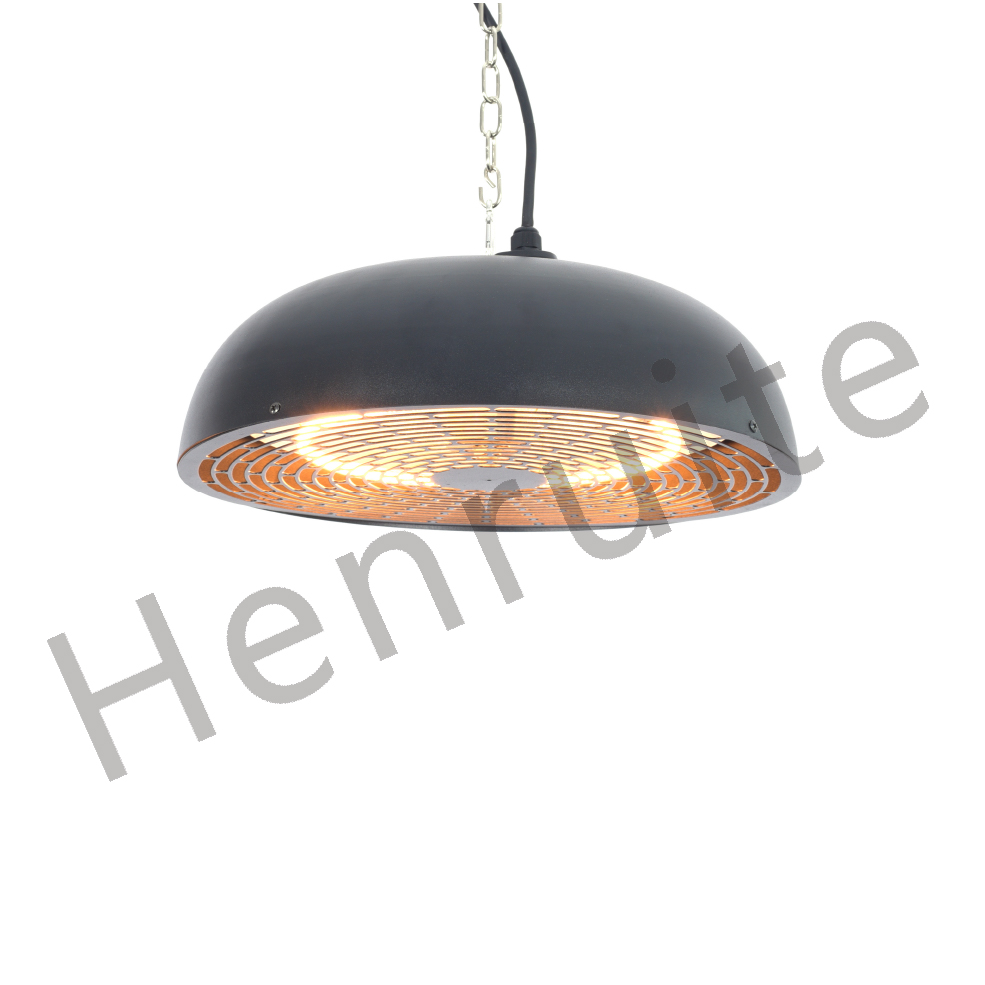
Steam clings to every surface, and the air is soaked with moisture. In a bathroom like that, a heater can’t just warm the room—it has to prove itself, watt by watt. Standard units often fold under the conditions, but an infrared room heater changes how the space feels—and how secure you feel using it.
What matters under the hood
Infrared room heaters deliver radiant warmth, which travels straight to people and surfaces without trying to heat the air first. That’s why the comfort hits you immediately. In wet spots, the key is electrical isolation. We house the heating element inside a fully sealed quartz tube, so the live conductors stay physically separated from the outer housing. The whole assembly is rated to IP24, meaning it’s protected against water splashes from any direction. Internal wiring is double insulated, and the heater is put through high-voltage dielectric strength testing. The payoff: a unit that stays electrically quiet, even when the room is at its dampest.
Why it makes sense in a bathroom
Comfort here isn’t just about temperature. It’s about feeling safe while you towel off, shave, or settle in. Infrared warmth puts the heat right where you need it, so you feel cozy faster—no waiting for the whole room to warm up. Because the air stays cooler, you see less condensation on mirrors and walls, which helps keep the bathroom drier and easier to maintain. That focused efficiency also keeps energy use in check, since you’re not paying to heat air that just gets pulled out through the exhaust.
What to keep in mind
Installation is straightforward, but placement matters. Mount the heater so the beam spreads across the main activity zone, not aimed straight at the shower head. Use a dedicated circuit when you can, and stick to the clearances to nearby surfaces. The design is built for damp conditions, but it’s not meant for direct water immersion. If you’re putting it in an enclosed shower stall, check the specific model’s protection rating and run it off a grounded outlet with GFCI protection for an added safety layer.