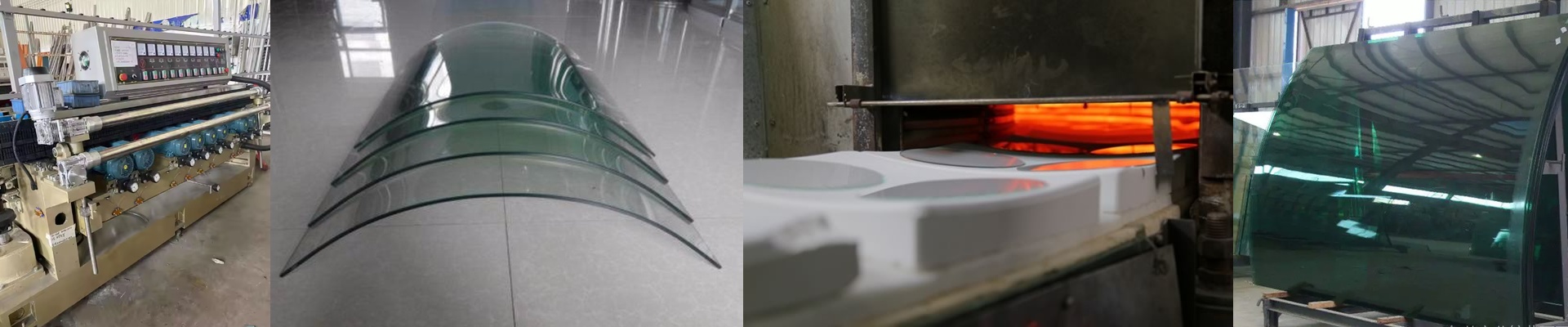
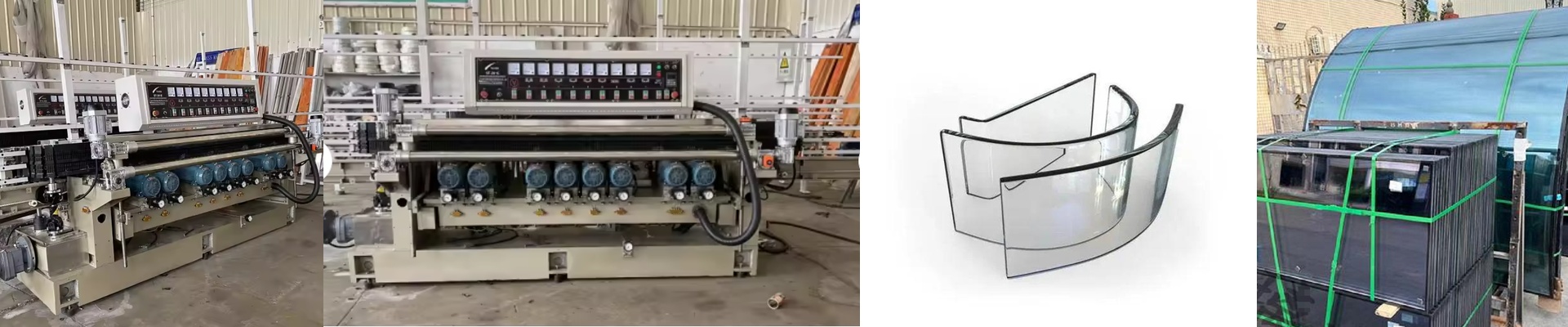
Stop the Chipping: Why We Preheat Glass
Glass is stubborn. If you take a cold sheet and hit it with a cutting wheel, you’re basically inviting trouble. That mechanical shock creates tiny micro-fractures that you can’t even see at first, but they show up later as those annoying chips or corner breakouts. It’s frustrating. And it wastes material. The trick we use to stop this is infrared (IR) preheating. Basically, we change how the glass behaves before the blade ever touches it.
Making the Glass “Listen”
Think of it this way: IR lamps dive into the surface and get the molecules moving, warming up the exact area where you’re about to cut. This lets the glass relax. When the glass hits that sweet spot in temperature, it stops being so rigid. Instead of the crack branching out into jagged, ugly chips, it follows the tool in a clean, straight line. It’s the difference between snapping a frozen twig and cutting through something a bit more forgiving.
Getting the Setup Right
Depending on how fast your line is moving, we usually go with shortwave or medium-wave IR emitters. Shortwave is the heavy hitter. It delivers a ton of heat in just a few seconds. But you have to be careful. You can’t just crank the wattage and hope for the best. If the glass sits too long under a scorching lamp, you’ll create “hot spots” and thermal stress. Now you’ve just traded one problem for another. It’s all about balancing the heat with your conveyor speed.
The Reality Check
Now, preheating isn’t some magic wand. It comes with its own set of headaches if you aren’t paying attention. Those high-wattage arrays put out a lot of heat—and not all of it goes into the glass. If you don’t get your cooling fans and shielding sorted, you’ll end up frying your sensors and melting your wiring. Also, you can’t just blast a thin strip of glass and leave the rest freezing. That steep temperature jump can actually cause new stresses. We always suggest a gradual ramp-up so the heat spreads evenly across the width. Get your wiring tight, calibrate your pyrometers, and you’ll see those chip rates plummet. It just works.