
Dealing with Cold Spots in Your Annealing Kilns
If you’ve spent any time with glassware annealing kilns, you know the frustration of “dead zones.” You’ve got a complex piece—maybe a narrow-neck flask or some intricate lab gear—and the heat just can’t get inside. The air swirls around the outside, but the tight spots stay cold. Then, the stress hits, and the glass cracks. It’s a nightmare. Standard convection heating just doesn’t cut it for these shapes. That’s why we shifted to shortwave infrared lamps.
How to actually get the heat inside
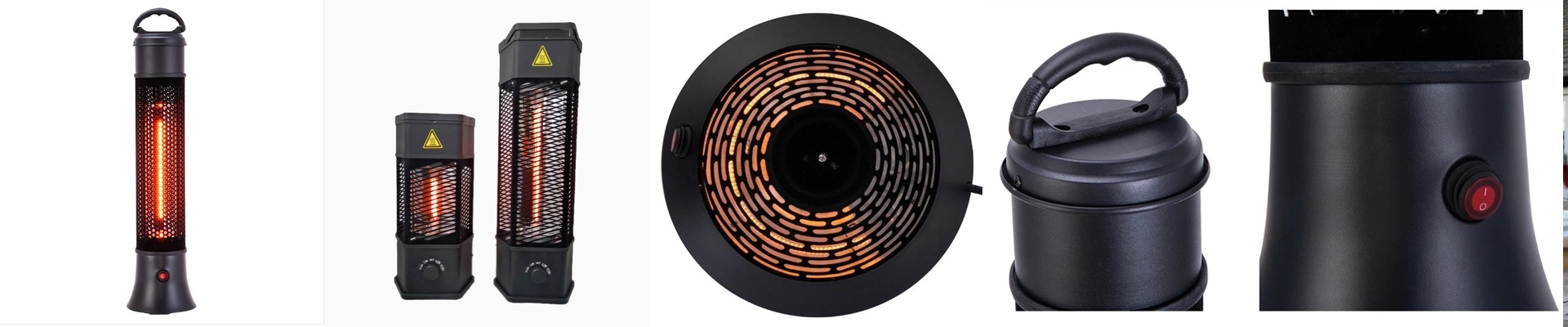
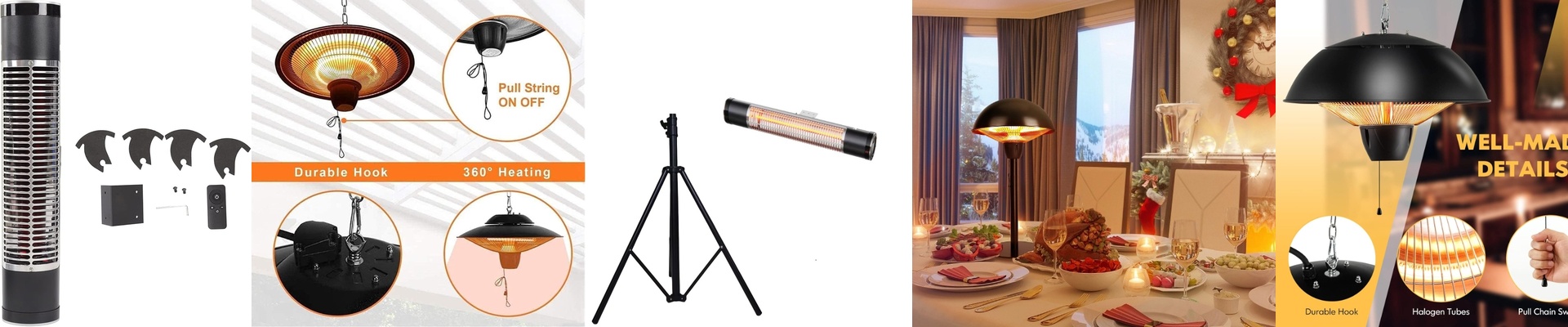
Here is the thing: air is a lousy conductor for tight geometries. Infrared is different. It doesn’t wait for the air to warm up; it shoots energy straight into the glass surface. Because these emitters are small but pack a huge punch, we can arrange them in a multi-angle array. This lets us hit those “shadow” areas that usually stay cold. The radiation actually penetrates the material, so the core of the glass reaches the annealing point without you having to bake the exterior into oblivion.
Getting it set up (and not burning it down)
These heaters are fast. Like, really fast. The moment your controller hits the set point, the lamps are at full blast. If you’re already using a PLC system for PID control, these slide right in. But a word of caution: all that heat density is a bit of a double-edged sword. While it kills the cold spots, it generates some serious localized heat.**Don’t skimp on your ventilation.**If your chassis cooling fans aren’t up to the task, you’re just going to fry your lamp sockets.
Tips for the tricky stuff
When you’re dealing with weird shapes, don’t just line the lamps up in a row. We recommend a staggered layout. It stops “striping,” which is when you end up with hot centers and cold edges. Using quartz-halogen tech keeps everything compact, so you aren’t cramping your kiln interior. One last thing: please, don’t over-drive the voltage. It’s tempting to push them harder, but you’ll kill the filament in no time. Stick to the rated wattage so your heaters don’t pop right in the middle of a production run. And if you’re swapping out old elements? Double-check your connectors first. It’ll save you a huge headache and make the replacement a lot smoother.