Stop the Bathroom Damp: How These Heat Lamps Actually Work
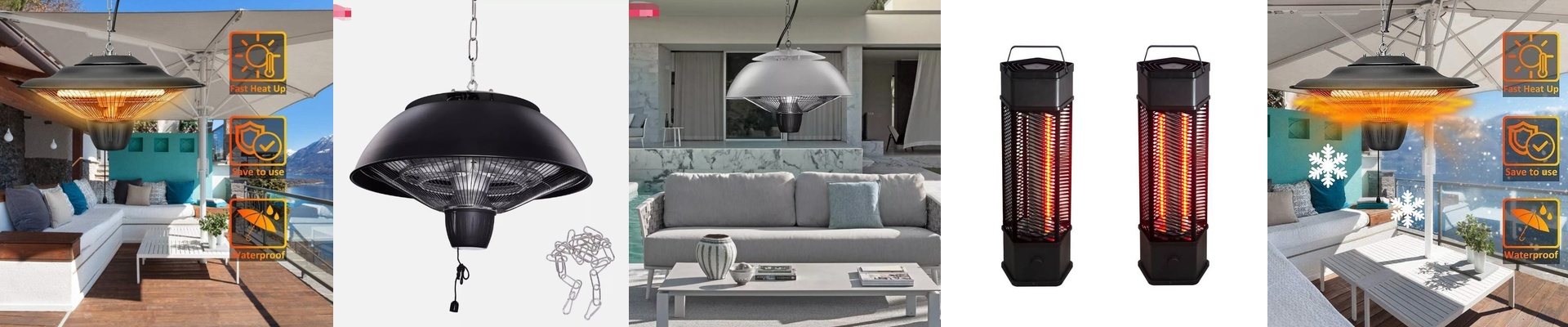
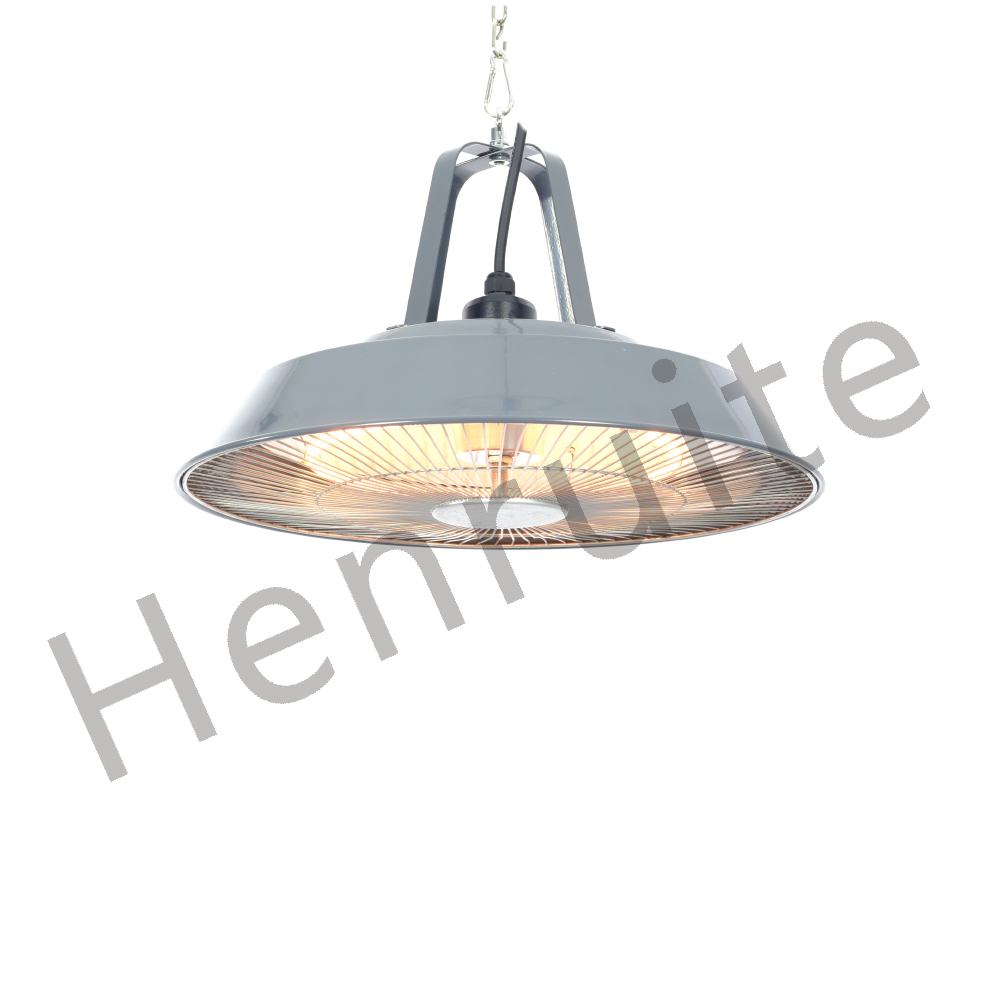
Most people think of those bathroom heat lamps as just a way to keep from shivering while you get dressed in the morning. But there’s more going on under the hood. We actually design these as infrared (IR) emitters. Instead of just warming up the air, they’re built to hunt down moisture. They target water molecules and surface dampness directly, which is the best way to stop mold from moving in and taking over your walls.
The trick to drying things out
Here is the thing: most heaters just push warm air around. Ours use short-wave infrared. Instead of waiting for the air to heat up, the energy jumps straight to your walls and ceiling. It creates a quick spike in surface temperature, which forces that stubborn moisture to evaporate way faster. It’s a quiet, passive way to keep things dry. No loud dehumidifiers humming in the corner—just a dry bathroom.
Built for the steam
Let’s be real: water and electricity are a dangerous mix. That’s why we stick to an IP65 rating. In plain English? The “6” means no dust is getting inside, and the “5” means it can handle water spraying at it from any direction. We use heavy-duty quartz glass and tight gaskets so the filament doesn’t just pop the second a cloud of steam hits the casing. They’re designed as simple drop-in replacements. You plug them in, and they hit full heat in seconds.No waiting around.
A few things to watch out for
I should mention a couple of practical tips. These lamps pull a decent amount of power. If you’re popping these into an old house with ancient wiring, just double-check your wire gauge. You don’t want to push a high-wattage lamp through thin, crumbling wires—that’s a fast track to a tripped breaker. Also, these things get hot. Really hot. If your fixture has a cheap plastic reflector, the heat might warp it over time. If you want these to last for years, stick with aluminum or ceramic housings. They can take the heat without breaking a sweat.