Picking the Right Infrared Heater for Your Bathroom (Without Wasting Cash)
Nobody likes stepping out of a hot shower into a freezing bathroom. It’s a shock to the system. But if you just slap the biggest heater you can find on the wall, you’re going to waste a ton of electricity—and you might actually annoy yourself. The trick is matching the wattage to the size of your room.
Getting the Power Right
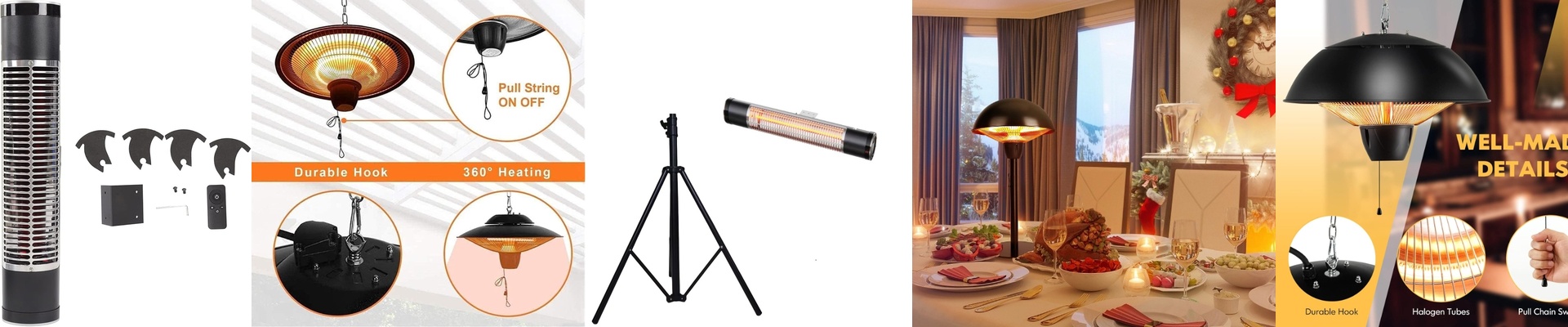
You can’t just guess here. If you’ve got a tiny powder room (under 4m²), a 250W to 400W lamp is plenty. It gets the job done fast. If you go overkill in a small space, the thermostat will keep clicking on and off every two minutes. That “short-cycling” eventually kills the relays. Not a great way to spend your money. For those mid-sized bathrooms (5m² to 10m²), look at 600W to 800W. Now, if you’re dealing with a massive master bath over 12m², you’ve got choices. You can go with one heavy-duty 1000W+ unit, or—my personal preference—a few smaller lamps spread out. That way, you don’t end up with one scorching hot spot and three freezing corners.
Why Infrared Actually Works
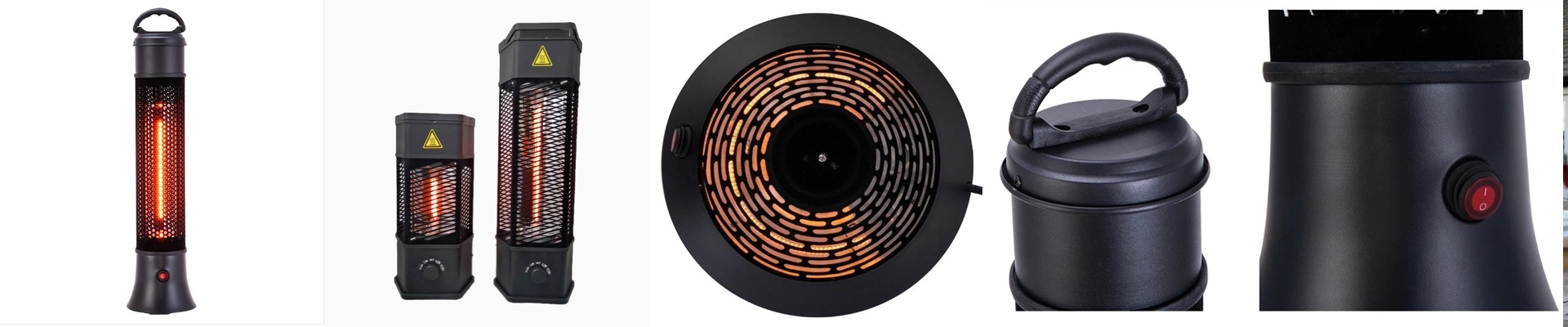
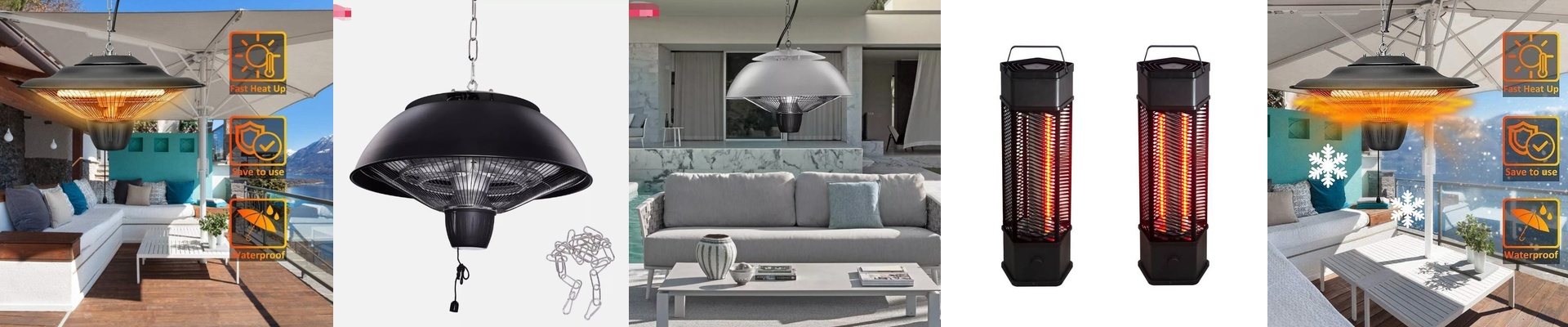
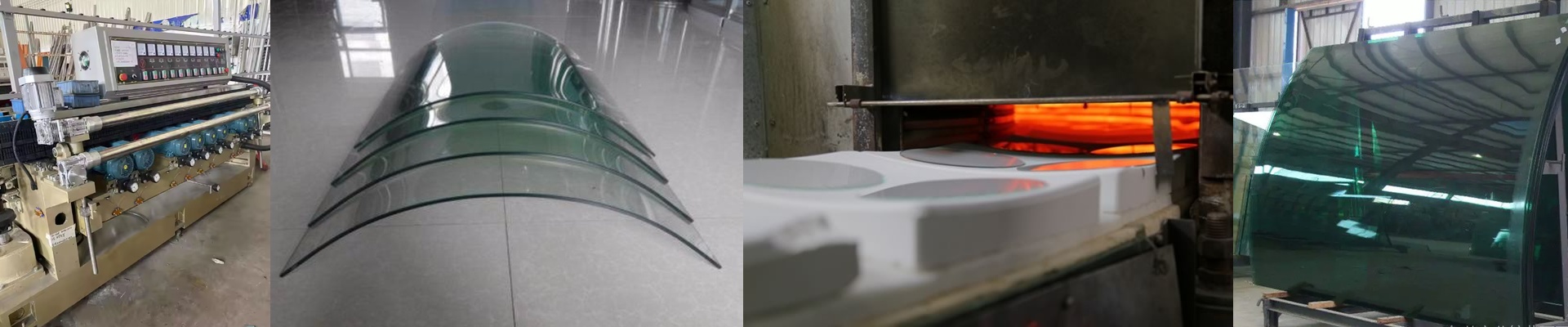
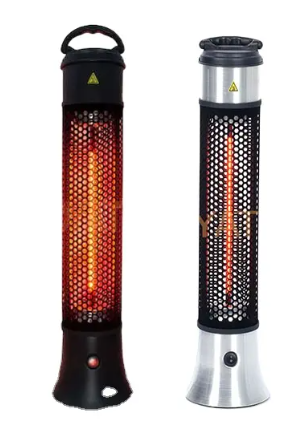
Most heaters try to warm the air. But air is slippery; it moves and escapes. Infrared is different. It’s radiant heat. It travels in a straight line and hits you—or the floor—directly. We use quartz glass tubes to focus that heat. The result? You feel warm the second you flip the switch. No waiting around for the room to “warm up.” But here’s the catch: bathrooms are wet. That’s why IP65 rating is a non-negotiable. It’s basically a seal that keeps steam and splashes away from the electronics. Without it, a bit of moisture hits that hot quartz tube, and pop—it cracks. Or worse, it shorts out your wiring.
The Trade-offs
More wattage means you’re warm faster. Simple. But it also puts a lot more stress on your electrical panel. If you try to run three 1000W lamps on a single 10A circuit, you’re flirting with a tripped breaker. Definitely check your wire gauge before you go wild with high-wattage setups. On the flip side, lower wattage lamps tend to run cooler and usually last longer. Just keep in mind that if you have massive ceilings or zero insulation, a small lamp might struggle to keep up.