
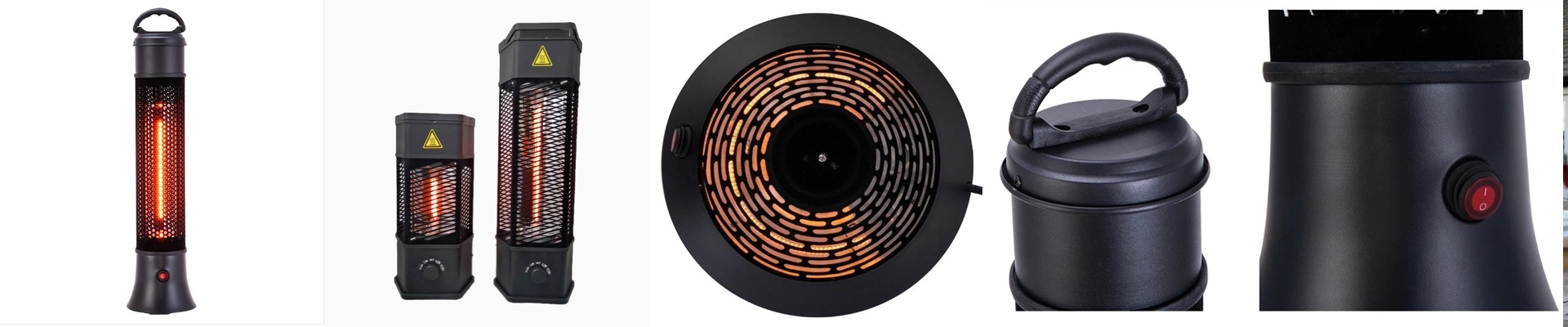


The Trick to Making Bathroom IR Heaters That Actually Work
When you’re designing infrared heaters for a bathroom, you’re basically playing a balancing act. You want it to be hot enough to actually feel it, but you can’t forget that people—including babies—are using these things. It’s not just about the heat; it’s about making sure it’s safe for the eyes.
Keeping it easy on the eyes
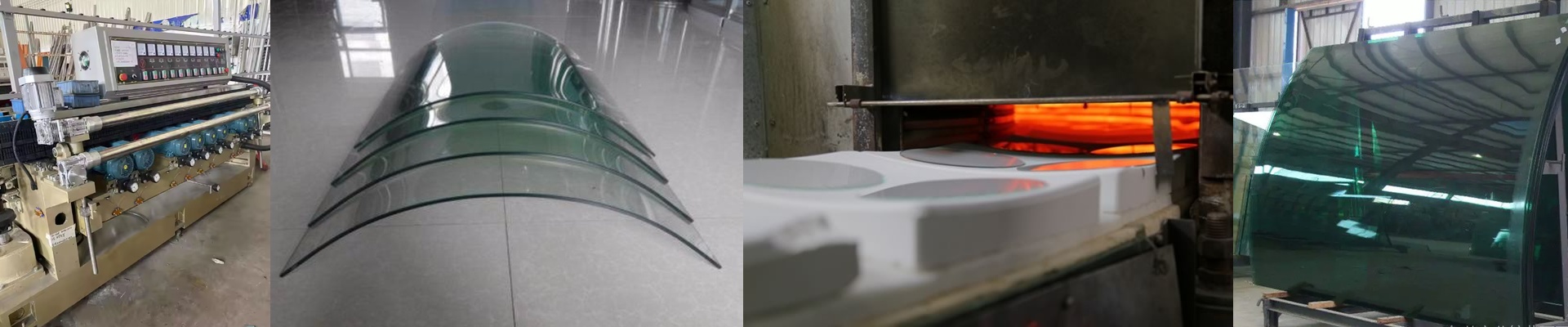
Standard short-wave lamps can be a bit much. If you’ve ever looked at a raw halogen filament, you know that blinding glare. It’s harsh. For a bathroom, that’s a no-go. We fix this by using coated quartz glass or specific filters. Think of it as a shield. It blocks the UV rays and the blinding light peaks but lets the warmth slide right through. You end up with a soft, gentle glow. You get that instant warmth on your skin without feeling like you’re staring into a spotlight.
Dealing with water and heat
Then there’s the IP44 rating. In plain English? It means the unit can handle splashes from any direction and keep gunk out. We seal everything up tight so moisture doesn’t sneak into the electrical terminals and fry the whole thing. But here’s the catch: the tighter you seal a box to keep water out, the harder it is for the electronics inside to breathe. If you use the wrong materials, the whole chassis just becomes a giant heat sink, which wastes a ton of energy. We stick to high-grade polymers or powder-coated aluminum to stop that. And because the inside gets so toasted, we use heavy-duty wiring that won’t melt or fail when things get hot.
How it feels in the real world
The best part about these heaters is that they’re instant. Unlike a standard heater that tries to warm up all the air in the room (which is pointless in a humid bathroom), IR heat goes straight to your body. It’s that “sun on your back” feeling. Just a heads-up on the physics: if you pump up the wattage to make it heat faster, that reflector has to move a lot more heat. If the fixture is too small, it’ll overheat regardless of how waterproof it is. You need enough room for the heat to actually go where it’s supposed to.