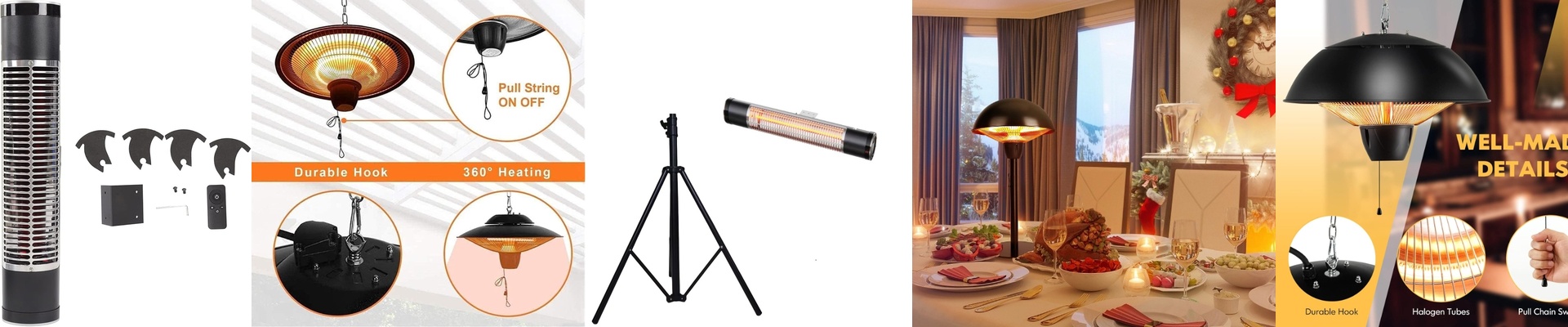
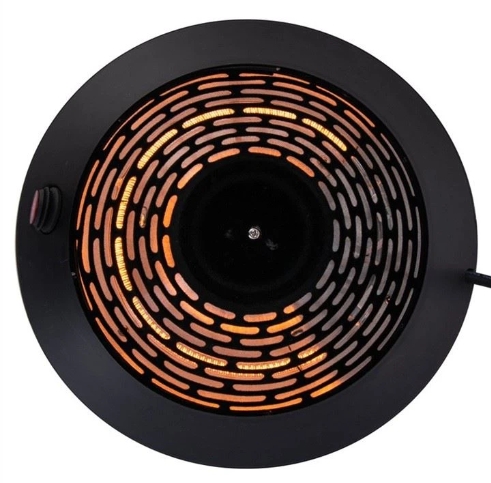
Why we’re ditching old bathroom lamps for IP66 infrared heaters
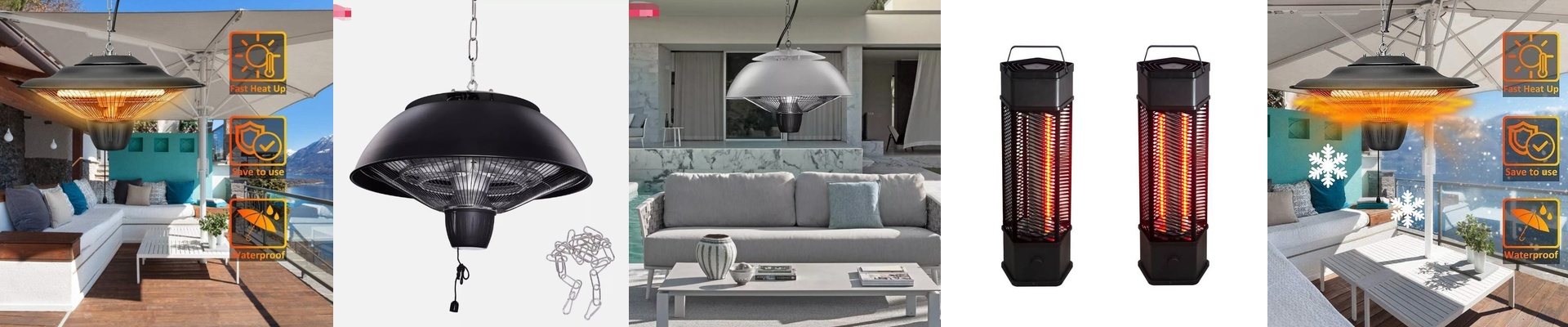
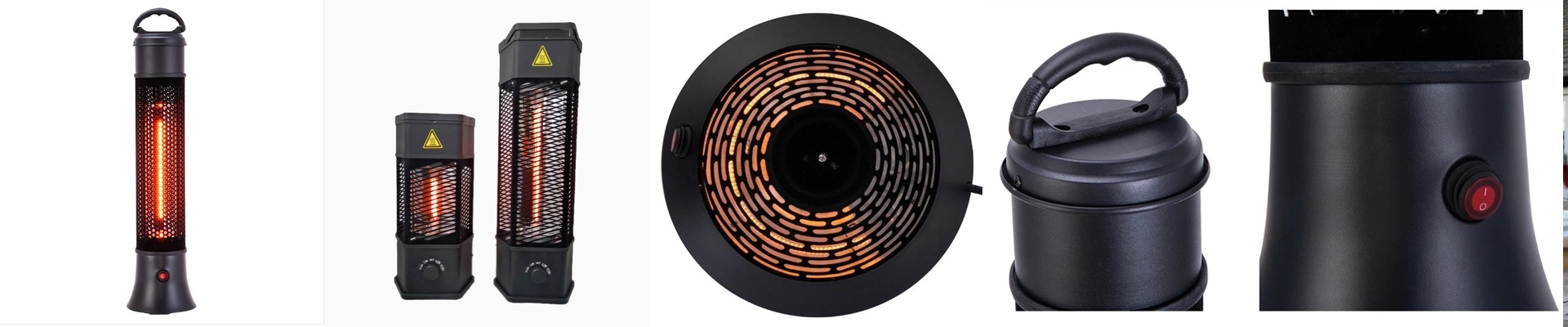
Let’s be honest: most old bathroom heaters are kind of a joke. They use basic heating elements that aren’t really built for… well, a bathroom. Think about it. You’ve got steam everywhere, splashes from the tub, and constant humidity. Eventually, that moisture finds a way inside. It eats away at the contacts or shorts out the circuit. One day it works, the next day it’s just a dead piece of plastic on your ceiling. That’s why everyone is moving toward IP66-rated infrared heaters. They actually survive the environment. The deal with IP66 If you aren’t a tech geek, “IP66” sounds like a serial number. But basically, it means the unit is totally dust-tight and can handle a direct blast of water without flinching. Most heaters claim to be “splash-proof,” but that’s a loose term. With IP66, we use heavy-duty gaskets and reinforced housings to keep the electronics bone-dry. No more worrying about that scary “pop” sound when you take a steaming hot shower right under the unit. It just works. Heat you actually feel Here is the best part: the way it heats. Old-school lamps try to warm up the air in the room. It takes forever. You’re standing there shivering for ten minutes while the heater struggles to fight the cold tiles. Infrared is different. It doesn’t care about the air; it targets you. It’s like stepping into a beam of sunlight. We use quartz tubes that hit their top temperature in seconds. You feel the warmth immediately, which means you aren’t leaving the power on for half an hour just to take the chill off. It’s faster, and it’s way easier on your electric bill. One thing to watch out for Now, before you go swapping yours out, there is a catch. These units pack a lot of punch. Because they have such a high heat density, they can be demanding on your wiring. If you’re retrofitting an old bathroom, don’t just plug it in and hope for the best. You might trip your breaker instantly. It’s worth having a pro check if your circuit can handle the wattage. In a lot of cases, we suggest running a dedicated line just for the heaters. It’s a bit more work upfront, but it beats having your lights go dark every time you want to get warm.