Stop Fighting Bathroom Mold With Just a Sponge
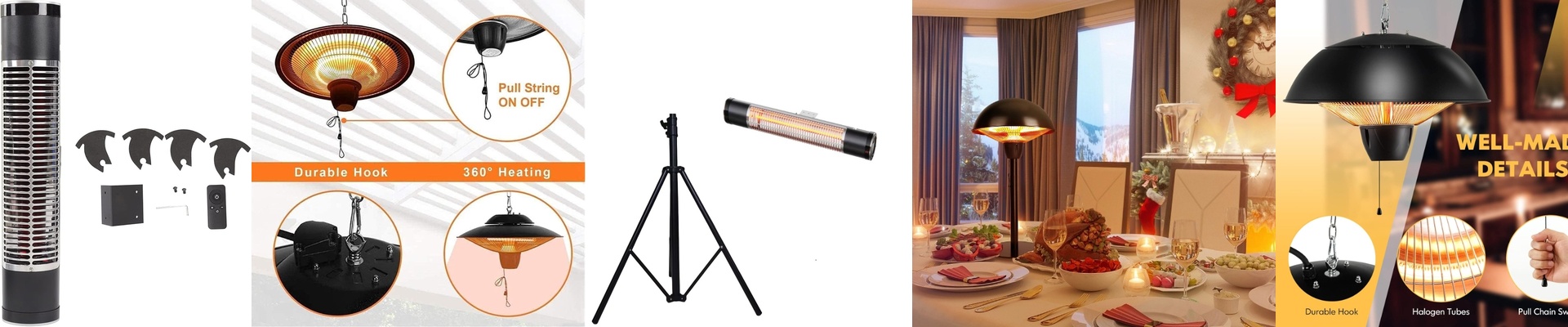
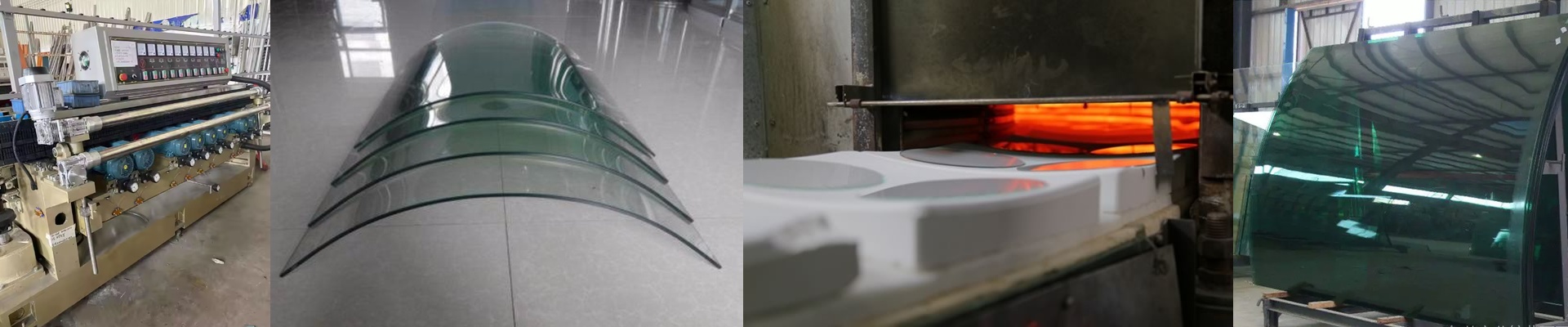
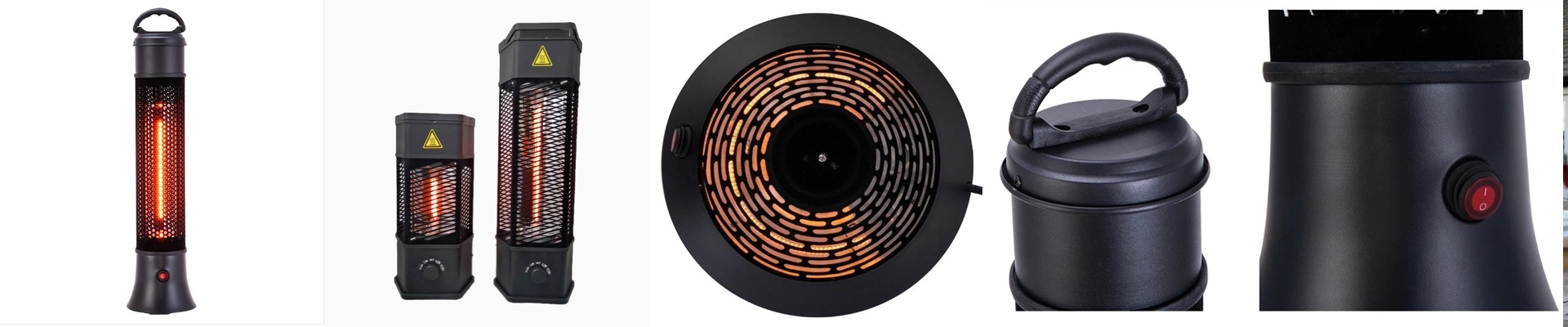
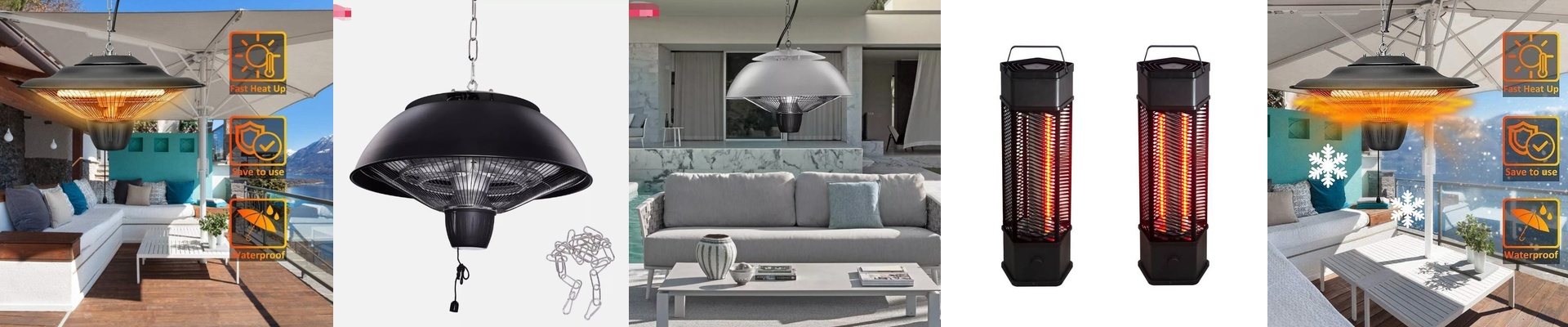
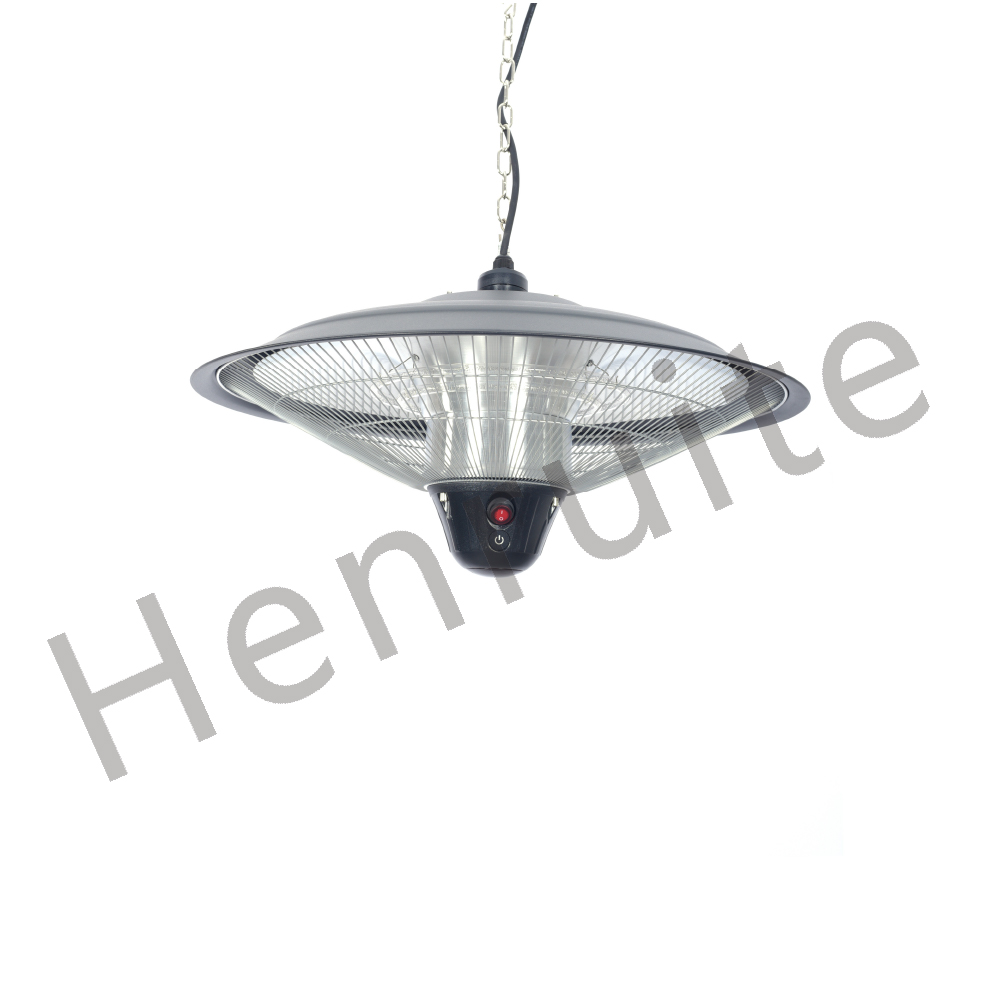
Most people see those infrared heater lamps in the bathroom and think, “Oh, that’s just to keep me warm while I’m in a towel.” But we built these to do a lot more than that. See, the real enemy isn’t just the cold—it’s the dampness that clings to your walls and ceiling. We’ve tweaked the way these lamps emit energy so they don’t just heat the air; they actually hunt down the moisture hiding in your walls. Here is how it actually works. Standard heaters just warm up the air. The problem? That often creates condensation on your cold walls, which is basically a luxury resort for mold spores. Our lamps use short-wave radiation. Instead of just warming the surface, this energy sinks into the walls and ceilings. It gets the water molecules vibrating, turning that hidden dampness into vapor. It basically sucks the moisture out of the “wet zones” where mold loves to settle. It’s a clever way to dry out the room from the inside out. The nitty-gritty on the build. Making something waterproof is the easy part. The hard part is making sure the lamp doesn’t burn out because it’s constantly switching on and off in a steamy room. To fix that, we use high-grade quartz glass. It creates a tight seal that keeps the steam from leaking into the filament. One quick tip: keep an eye on your room size. If you put a massive, high-wattage lamp in a tiny space without a good vent, you might overheat the housing. We always suggest pairing these with a decent exhaust fan to pull all that liberated steam right out of the house. A cleaner home, less scrubbing. Mold needs a thin film of water to survive. By using radiant energy to flip your bathroom from “clammy” to “bone-dry,” you basically starve the mold. It’s a mechanical fix for a biological headache. You get a fresh, dry room without having to spend your entire Saturday scrubbing walls with harsh chemicals. Just a heads-up—check your wiring. These infrared elements can pull a bit of a surge when they first kick on, and you don’t want to be standing in the shower when a breaker trips.