
Making Your Patio Actually Useable in Winter
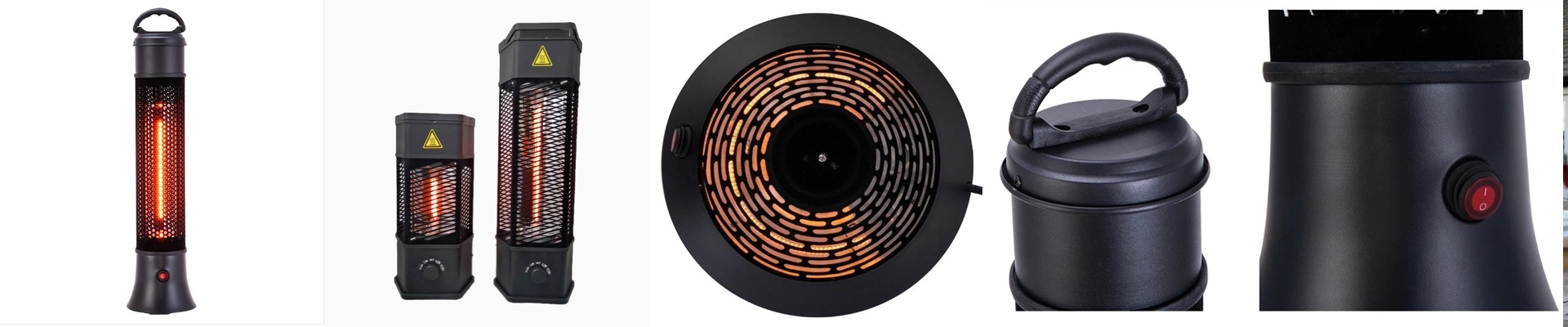
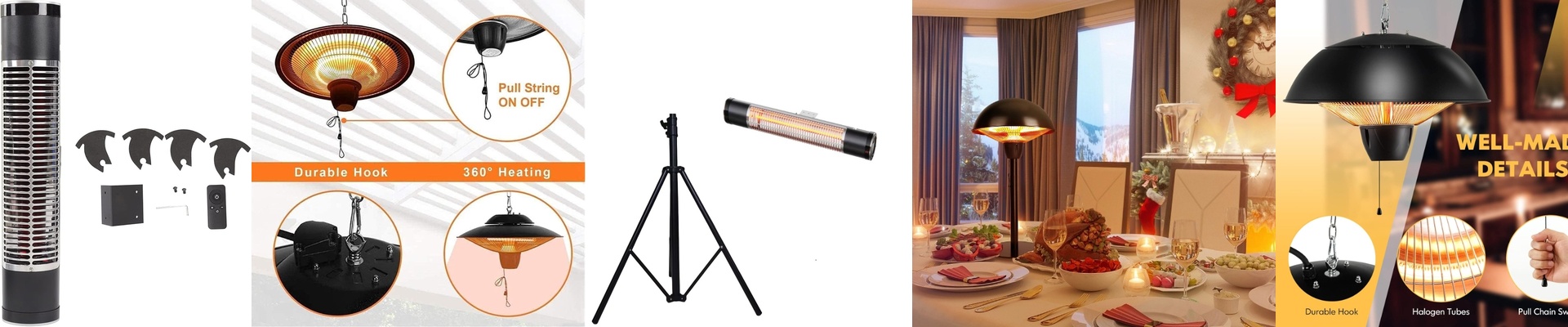
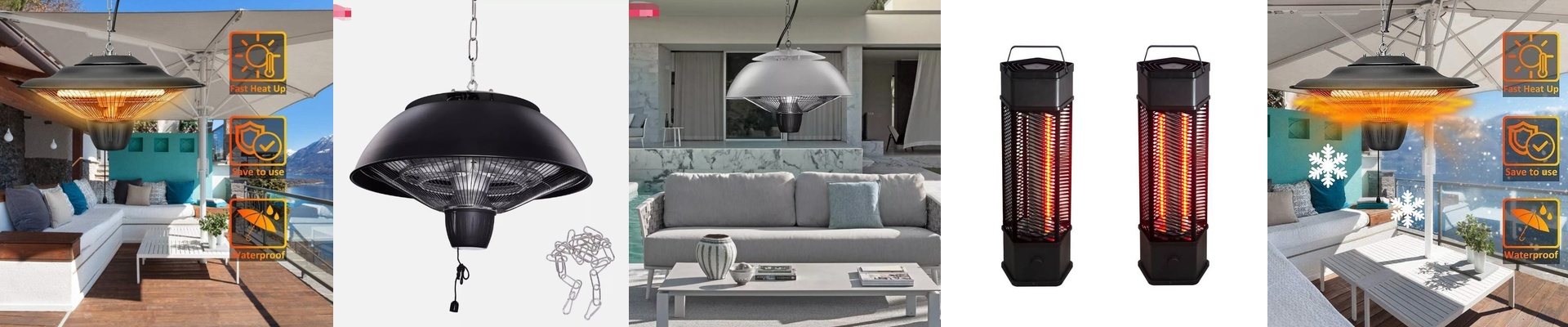
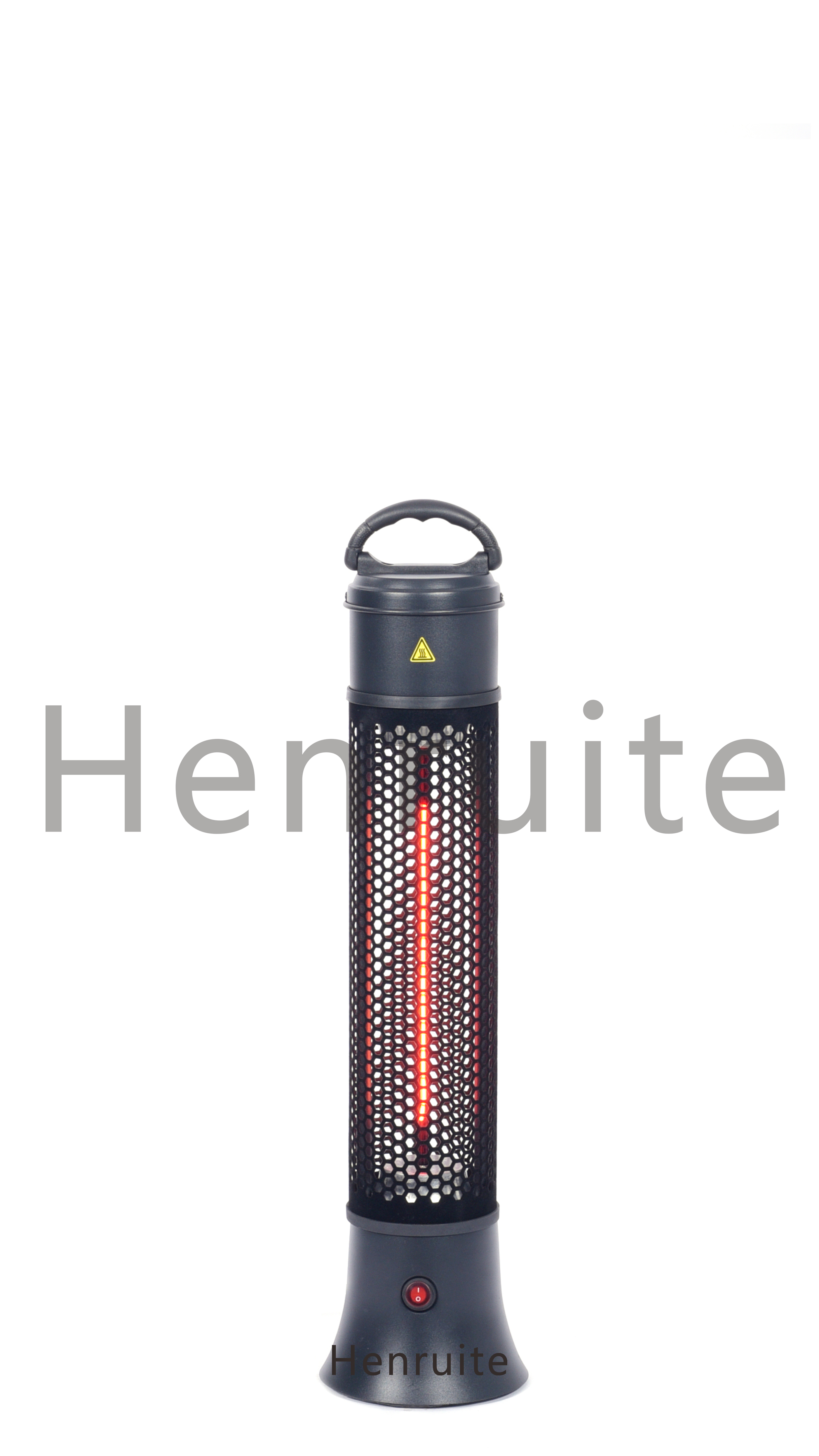
We build IP55 infrared heaters because nobody likes the chore of hauling out space heaters or shivering through a drink just because it’s October. The idea is pretty basic: you should be able to turn your patio into a cozy spot without having to get up and fiddle with a bunch of switches.
Heat That Actually Hits You
Most heaters try to warm up the air, which is a waste of time when the wind is blowing right through your terrace. Infrared is different. It sends out waves that warm up your skin and your furniture directly. It feels like stepping into a patch of sunlight on a cold day. And the best part? There’s no waiting around. When you hit “Winter Mode” on your app, you feel the heat almost instantly. No lag, no waiting for a coil to glow—just warmth.
Built for the Elements (and Your Phone)
Outdoor gear takes a beating. That’s why we use an IP55 rating. In plain English, that means dust stays out and rain doesn’t get in. You don’t have to worry about a sudden downpour ruining your investment. To make them “smart,” we tucked a Wi-Fi or Zigbee relay right into the circuit. It’s basically a bridge that lets your home hub talk to the heater. You can set a schedule, link it to the local weather forecast, or just tap a button on your phone before you even walk outside.
The Honest Truth About Setup
Now, here’s the catch. Smart tech is great, but it only works if your Wi-Fi actually reaches your patio. If your signal is weak out there, that “instant” trigger is going to lag, which is frustrating. You also need to be careful with your power. These lamps pull a lot of juice. If you’re hanging three or four of these on one circuit, check your breakers and wire gauges first. You don’t want to be sitting in the dark because you tripped the system during a cold snap. One last tip: don’t overbuy. Get the power output that actually fits your space. It keeps the area comfortable without sending your electric bill into orbit.