Millisecond Curing for Low-E Coatings: Speed That Saves the Film
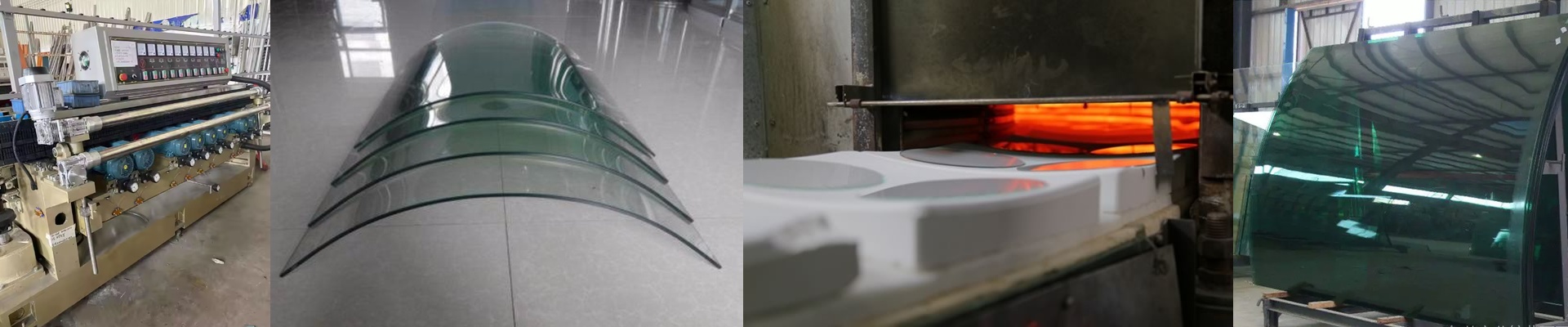
We build infrared oven lamps for one place: the glass finishing line. Specifically, for high-performance Low-E coatings. And here’s the heart of it: speed. The lamp has to hit temperature—and deliver the heat—in milliseconds. That’s what lets you cure the coating fast, before oxygen has a chance to react with those fresh layers. If the ramp-up is slow, oxidation slips in. Our lamps shut that window tight. The heating profile is aggressive by design, because you need serious heat density in a small footprint to finish the coating in one pass. That means the electrical specs matter. We spec the lamp to deliver consistent wattage at high voltage, so you get enough energy density to drive off solvents and set the film—without soaking the substrate. The payoff? A curing step that stays right inside the coating’s allowable temperature window.
The Quartz Halogen Build—And the Connector That Makes It Easy
The body is quartz, not standard glass. Quartz handles high operating temperatures and stays thermally steady, even when the lamp cycles on and off again and again. Inside, the halogen cycle keeps filament performance stable over long run hours—the kind of stability you need when your line runs 24/7. And the outer coating is engineered to shape the spectral output, focusing the energy where the coating absorbs it best. For mounting, we use an R7s-style connector. It gives you solid contact, supports the tube length, and makes installation a drop-in job in most oven fixtures. It also handles thermal expansion, so you don’t have to worry about micro-arcing or loose contacts as the tube heats up and cools down.
What It Actually Does on the Line: Protect the Film, Block Oxidation
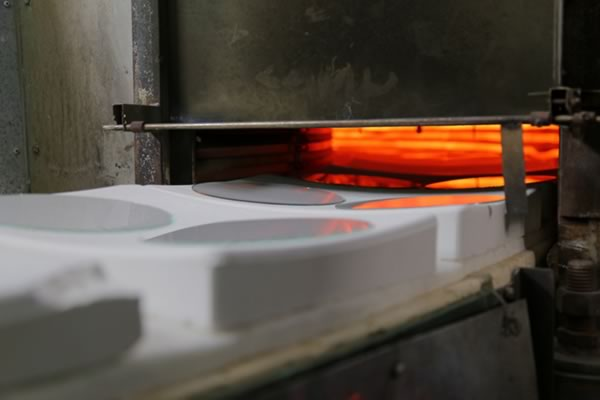
On the glass finishing line, the lamp has two jobs at once: deliver curing heat and protect the film. Because it responds in milliseconds, it reaches the required temperature the instant the glass enters the zone—and then cuts off quickly at the exit. That tight control keeps the coating from hanging out in the oxidation danger zone. Now, there’s a trade-off: the power density is high. So your machine has to be built to handle the heat rejection—cooling and shielding need to be properly spec’d. But when the system is matched up right, you get stable film quality, repeatable curing, and fewer rejects caused by oxidation.