Keeping Your Infrared Heaters Running in the Middle of a Coop
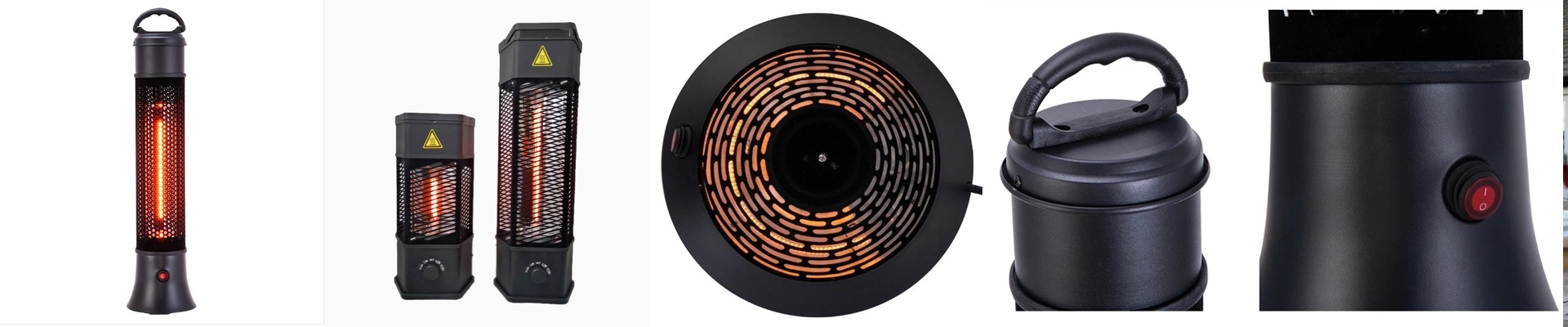
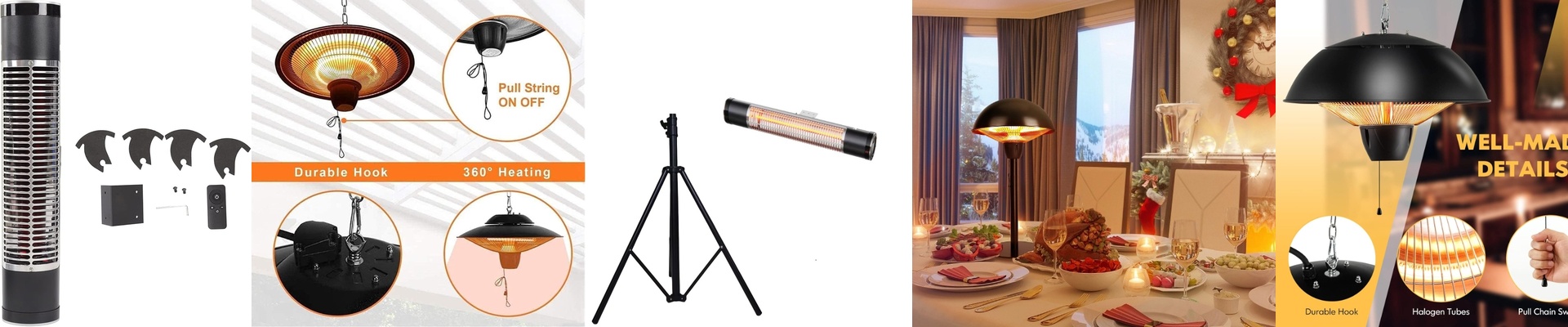
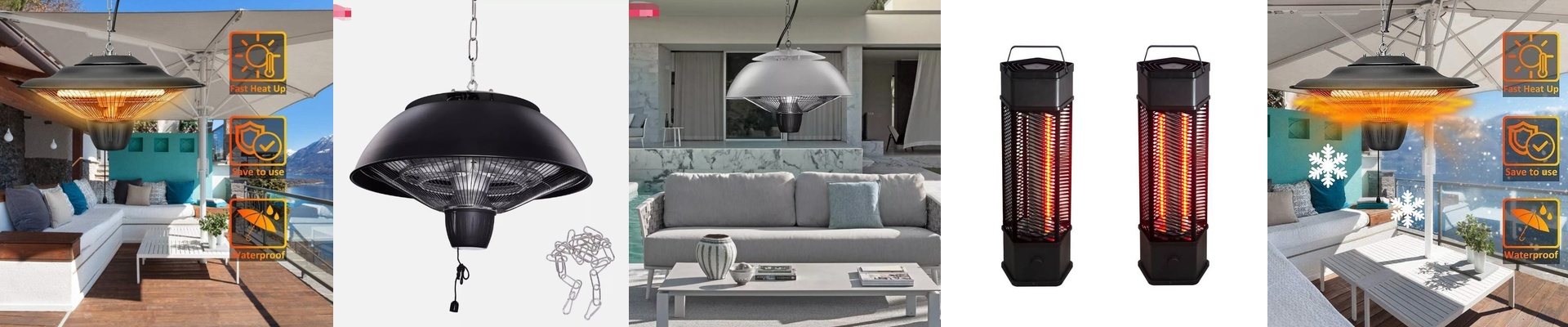
Let’s be honest: chicken coops are brutal on equipment. Between the thick dust, the ammonia, and the constant dampness, it’s a recipe for gear failure. When a heating element finally gives out after a few years, the real headache isn’t the price of the part. It’s the hours of labor and the stress of knowing your birds are getting cold while you scramble to fix it. We wanted to stop that cycle, so we built our waterproof infrared modules to be fixed in a snap, not a weekend project. The “Cassette” Idea Most industrial heaters are basically one big, hard-wired mess. If a single tube pops, you usually have to bring in a technician to strip the whole thing down. It’s a nightmare. We did things differently. We put the heating elements into their own sealed cassettes. If a tube dies five years from now, you don’t have to mess with the wiring or rewire the whole circuit. You just pull out the dead module and slide in a new one. It turns a grueling afternoon of work into a two-minute job. Plus, you can swap the part without killing the heat for the entire coop. The Trade-off Here’s the thing about waterproofing high-heat gear: you can’t have it all. To get a seal that actually keeps moisture out, we use heavy-duty gaskets and sealed entries. Does it make the heater a bit bulkier? Yeah, it does. But we’ll take a slightly larger footprint over a heater that dies the first time the humidity spikes. One heads-up, though: because these modules are sealed tight, they don’t breathe like open-air heaters do. The housing stays hot. Just make sure your mounting brackets aren’t leaning against anything flammable. Real-World Maintenance When you’re out in the field, speed is everything. We used standardized connectors and simple clips so you don’t need a specialized toolkit just to change a tube. You unplug it, swap it, and you’re done. It’s simple. It keeps the birds warm. And it keeps your maintenance bills from spiking.