
Why Your Bathroom Heater Keeps Dying (And How to Fix It)
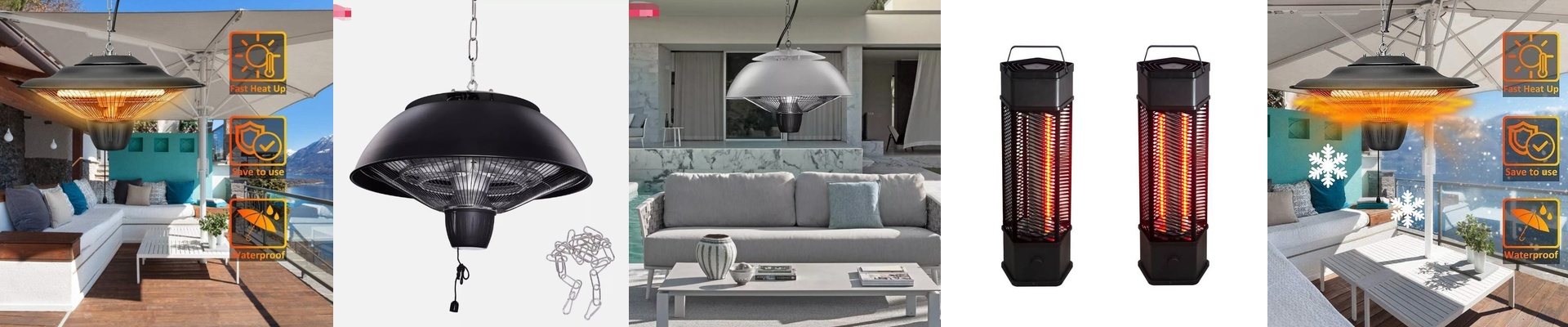
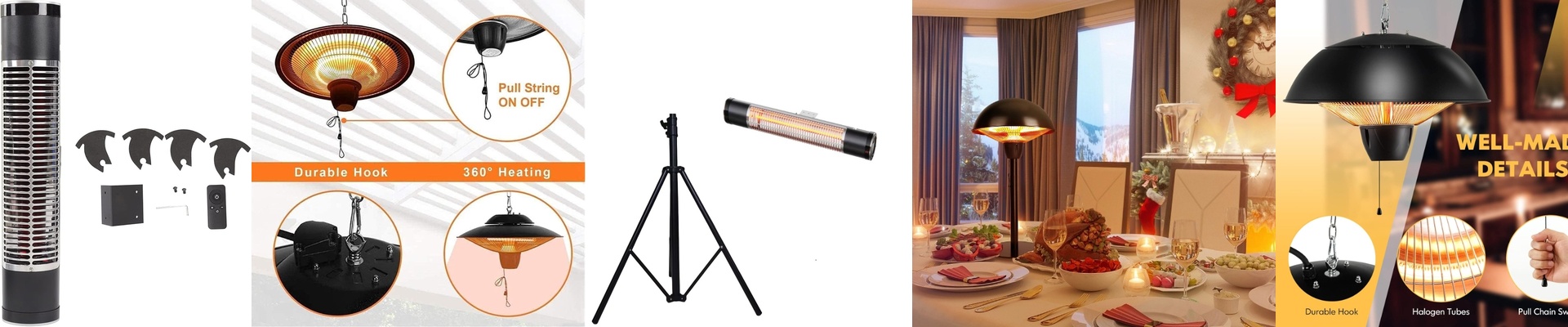
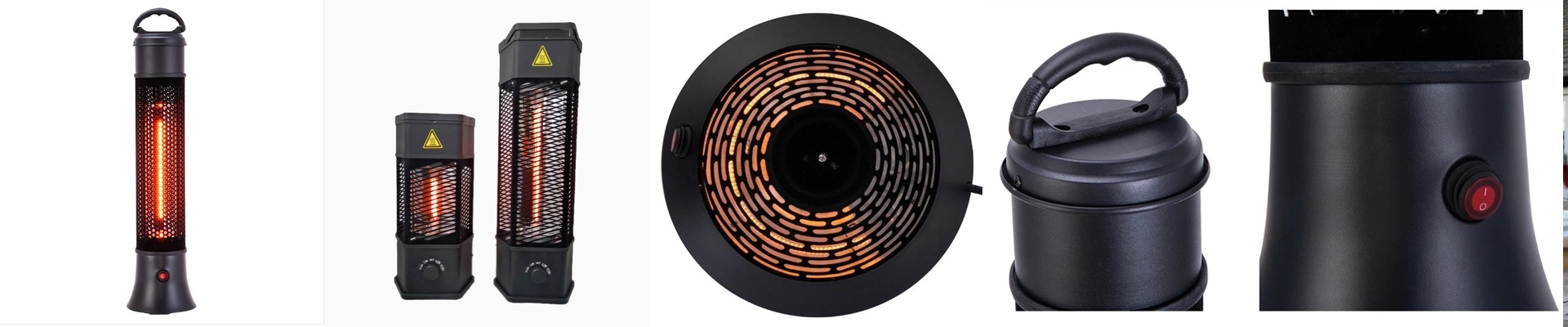
Let’s be honest: there is nothing worse than stepping out of a hot shower into a freezing bathroom. Most of us have those old-school heat lamps, but they usually end up burning out right when you need them most. The problem is simple. Bathrooms are wet. Steam gets everywhere, crawls into the circuitry, and kills the lamp. It’s a cycle that just doesn’t work. That’s why we’ve been moving toward waterproof infrared systems. They aren’t just “better”—they’re actually built for the environment they live in. The battle against steam Here is the thing about standard heaters: they usually just put a little shield over the bulb. But steam is sneaky. It finds a way in, causes corrosion, and eventually, you’re left with a dead fixture. A real waterproof system seals the whole unit. It keeps the water vapor away from the electrical contacts entirely. It means the heater can sit in a cloud of steam and just keep doing its job without frying itself. Instant warmth vs. heating the air Most old lamps try to heat the air around you. But in a bathroom, that warm air just floats up and disappears through the vent. You’re basically heating the attic. Infrared is different. It sends out waves that hit your skin and the surfaces around you directly. It feels like stepping into a patch of sunlight. It’s immediate. We use specially coated quartz glass tubes to make sure that heat actually hits you, not the ceiling. Now, there is one catch: the “cold spot.” If you step out of the beam, you’ll feel the chill instantly. When you’re planning where to put these, just make sure you aren’t leaving any gaps where you’ll be standing. Getting it installed If you’ve ever tried to swap out a burnt-out bulb in an old fixture, you know it’s a pain. Modern infrared units are way easier. They’re modular, so they just drop right into the ceiling grid. One quick heads-up, though. These units pack a punch to get that rapid heat, which means they pull more power. If you’re putting these into an older home, check your circuit breakers. You don’t want to find out the hard way that your wiring can’t handle the load the second you flip the switch.