


Making Bathroom Infrared Heaters Actually Safe
Let’s be honest: bathrooms are a nightmare for electrical gear. You’ve got steam everywhere, constant humidity, and water splashing around. It’s a recipe for leakage currents, which is a polite way of saying “someone could get a nasty shock.” If you want total insulation, you have to obsess over where the heating element meets the outer shell. That’s where things usually go wrong.
Dealing with damp zones
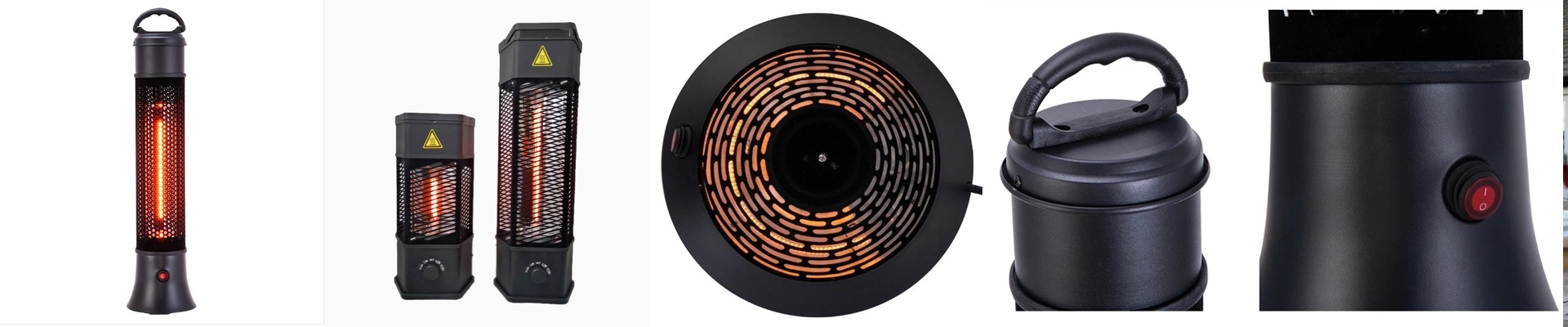
Most shortwave infrared lamps use quartz. Now, quartz is great for heat, but it’s useless at stopping moisture from sneaking into the terminals. To fix this, we use reinforced ceramic insulators at the ends of the lamp. It stops “tracking”—that creepy thing where electricity literally crawls across a damp surface until it hits the chassis. And please, for the love of everything, get your grounding right. A floating ground in a wet room is just waiting to fail. We tie a dedicated earth bond directly to the heater frame. That way, if there is a leak, the RCD trips instantly. It’s much better to have a dead heater than a live outer casing.
Sealing the connections
This is where most heaters either burn out or short circuit. We’ve stopped using open-wire terminals because they’re just too exposed. Instead, we use sealed R7s or SK15 connectors to keep the live parts tucked away. Then, we hit the wire-to-terminal joints with high-temp silicone potting or heat-shrink sleeves. It basically creates a wall that water vapor can’t get through to hit the copper.
The tug-of-war: Heat vs. Sealing
Here’s the tricky part. If you seal everything too tight with materials that don’t breathe, you trap the heat. Suddenly, your wiring insulation starts to melt. It’s a balancing act. You need a high IP rating to keep water out, but you still need the electronics to breathe. We’ve found that a vented chassis is the way to go. It keeps the splashes away but lets the hot air escape. One last thing: watch your voltage drop. High-wattage units in bathrooms can get dangerously hot at the switch if the wiring is too thin. Stick with 1.5mm² or 2.5mm² copper. It keeps the run cool and keeps everyone safe.