Stop Losing Money Every Time the Temperature Drops
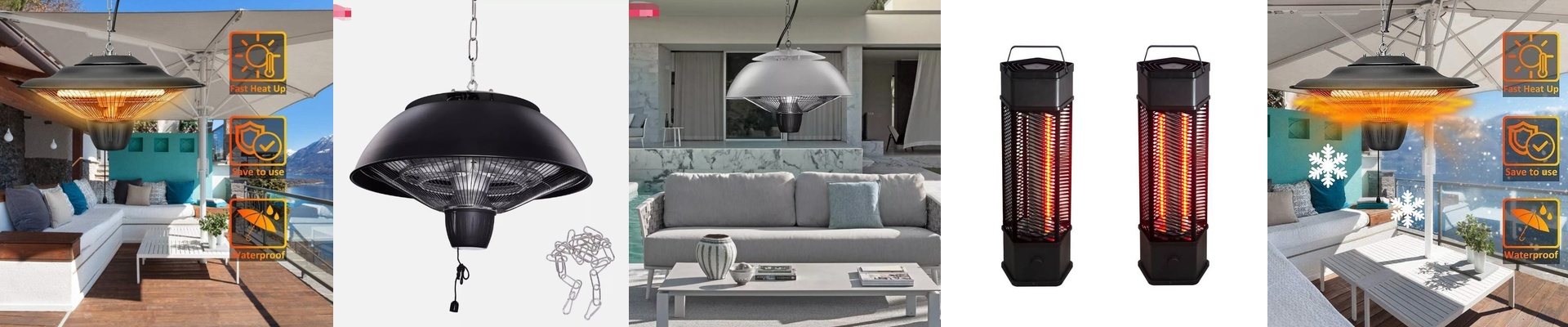
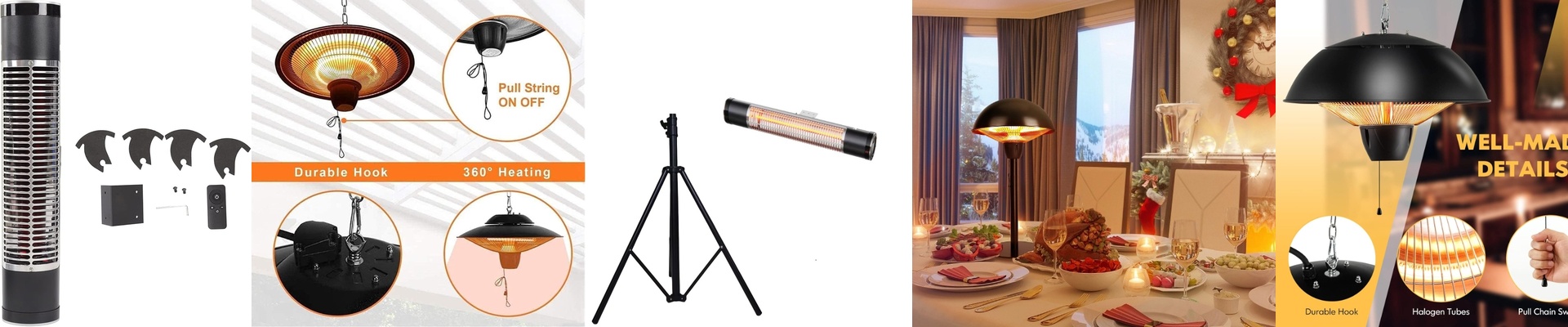
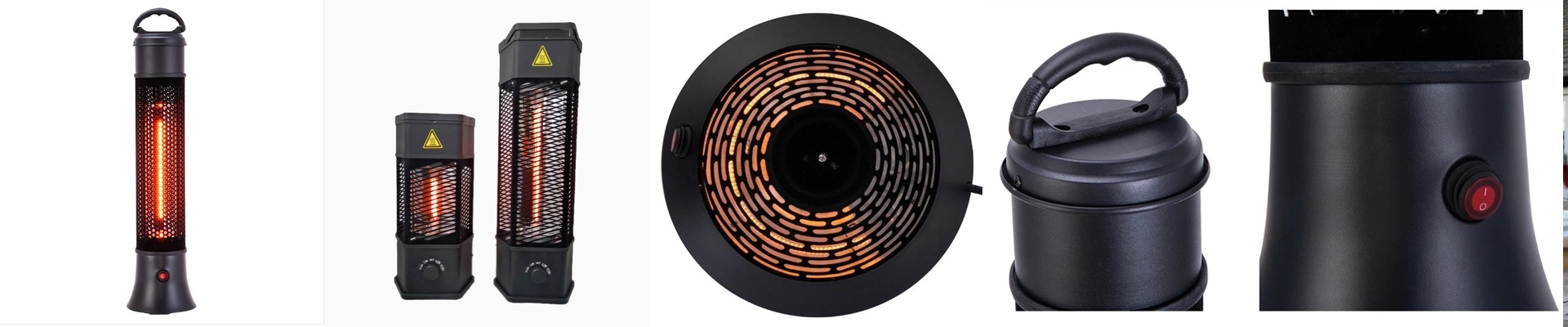
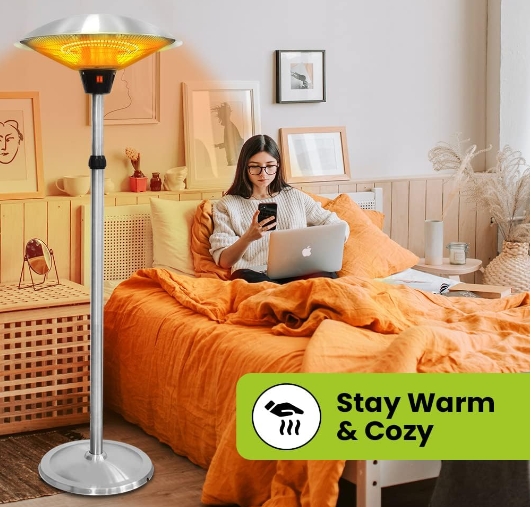
It’s a frustrating cycle. You’ve got a great outdoor patio, but the second autumn hits, those tables go empty. People want to sit outside, but nobody wants to shiver through a meal. We fix this with infrared heaters. Here’s the secret: most heaters try to warm up the air. That’s a losing battle outdoors because the wind just blows the heat away. Infrared is different. It works like the sun—it warms up the people and the furniture directly. It doesn’t care if there’s a breeze.
Dealing With the Elements
Outdoor gear takes a beating. Rain, snow, humidity—it’s all a recipe for a short circuit. That’s why we only use units with an IPX4 rating. In plain English? They’re splash-proof. Whether it’s a sudden drizzle or a damp autumn morning, the guts of the heater stay dry. You won’t have to worry about the system burning out the first time a storm rolls through.
Making Guests Want to Stay
We stick with short-wave infrared. It’s the fastest way to get people warm. The moment a customer sits down, they feel that warmth hit them. It’s instant. And when people are comfortable, they don’t rush. They stay for that extra glass of wine or a slice of cake. Keeping your patio viable all year round isn’t just about comfort—it’s about keeping your revenue steady when the weather turns.
The Nitty-Gritty of the Setup
Now, you can’t just plug these into a standard wall outlet. These units pull a lot of power. You’ll need a dedicated circuit. If you don’t, you’re asking for a tripped breaker right in the middle of the Friday night dinner rush. Not a great look. Placement is the other big thing. You want a wide “cone” of heat, but you don’t want to bake the tops of your guests’ heads. Just keep in mind that the higher you mount the heater, the more power you’ll need to make sure the warmth actually reaches the table. We usually lean toward a bit more wattage than you think you need. It’s the only way to make sure there are no “cold spots” where guests end up huddled in their coats.