Why Your Towel Rail Shouldn’t Be Disposable
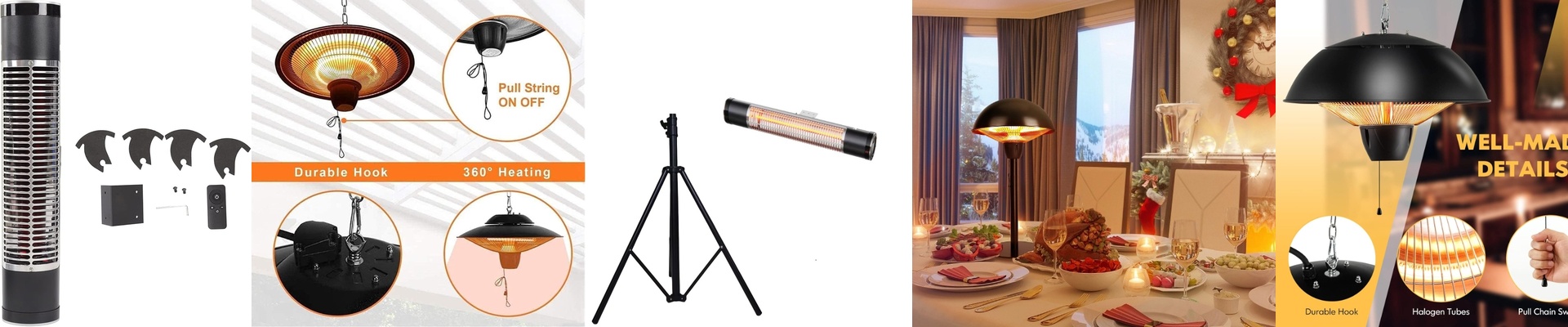
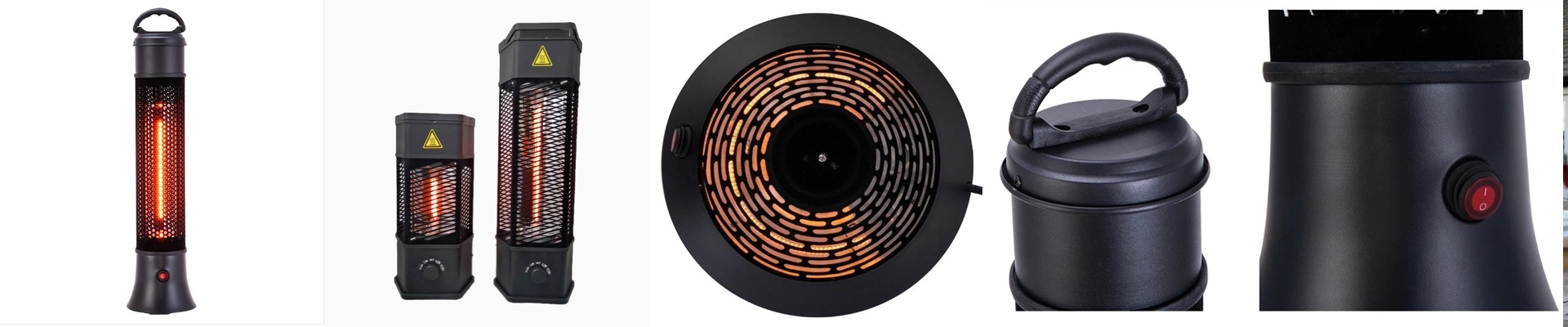
Let’s be honest: most towel rail heaters are designed to be thrown away. They’re built as one big, sealed chunk of metal and wire. So, if a single heating element decides to quit after five years of hard work, you’re usually stuck ripping the whole thing off the wall and buying a brand new one. It’s a waste of money and a pain in the neck. That’s exactly why we did things differently with our infrared modules. The beauty of “plug-and-play” Instead of burying everything in a mess of permanent wiring, we went with a modular setup. Think of it like swapping a battery in a remote rather than buying a new TV. If one tube stops working, you don’t have to spend your entire Saturday rewiring the bathroom. You just pull out the dead part, pop in a fresh one, and you’re done. It turns a multi-hour headache into a two-minute job. The nitty-gritty stuff Now, making things swappable means we have to be careful about where the power connects. Since we’re dealing with a lot of heat, those connection points have to be tough. We use heavy-duty terminals so things don’t oxidize or lose power over time. One quick tip: when you’re installing them, make sure those terminals are tight. If they’re loose, you’ll get sparking, which can actually melt the housing. Just give them a good tighten, and you’re golden. Keeping the heat alive Here is the thing about infrared emitters: they naturally lose a bit of their punch after a few years. You’ll start to notice your towels aren’t quite as toasty as they used to be. In a standard system, that’s when you’d start shopping for a replacement unit. But with this setup, you just swap out the specific modules that have faded. You keep the frame. You keep the mounts. You keep the wiring. You only pay for the parts that actually do the heating. It’s a simple hardware swap that keeps everything running without needing to call in an electrician to overhaul your entire wall.