
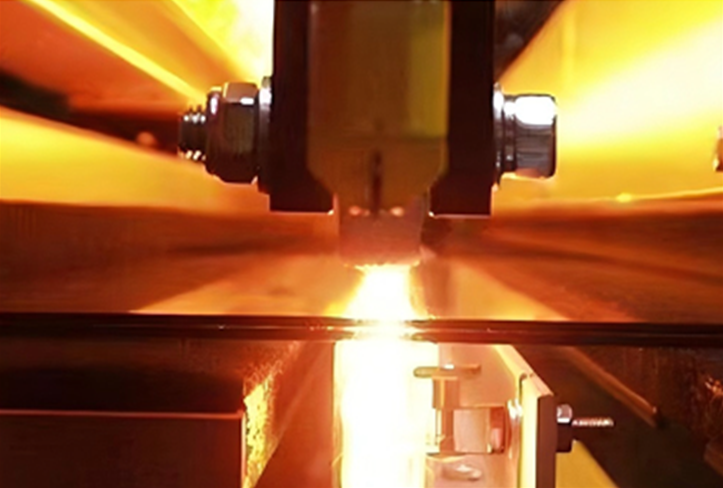
Stopping Glass Edge Chipping with Gold-Coated IR Emitters
If you’ve spent any time cutting glass, you know the frustration of “corner breakout.” You score the surface, you go for the break, and then—snap—you get those jagged micro-fractures or a chip right where you didn’t want one. It’s a pain, and it kills your yield. We’ve found a way to fix this by adding gold-coated infrared emitters into the preheating stage.
The trick to a clean break
Here’s the thing: glass is stubborn. It doesn’t move heat around very well. When it’s cold, it resists the break, which is exactly why you end up with those rough, ugly edges. We use shortwave infrared radiation to push heat deep into the glass before the blade ever touches it. This relaxes the material and lowers the surface tension. The result? The glass just gives way cleanly. You get a smooth edge and way less scrap in the bin.
Why the gold?
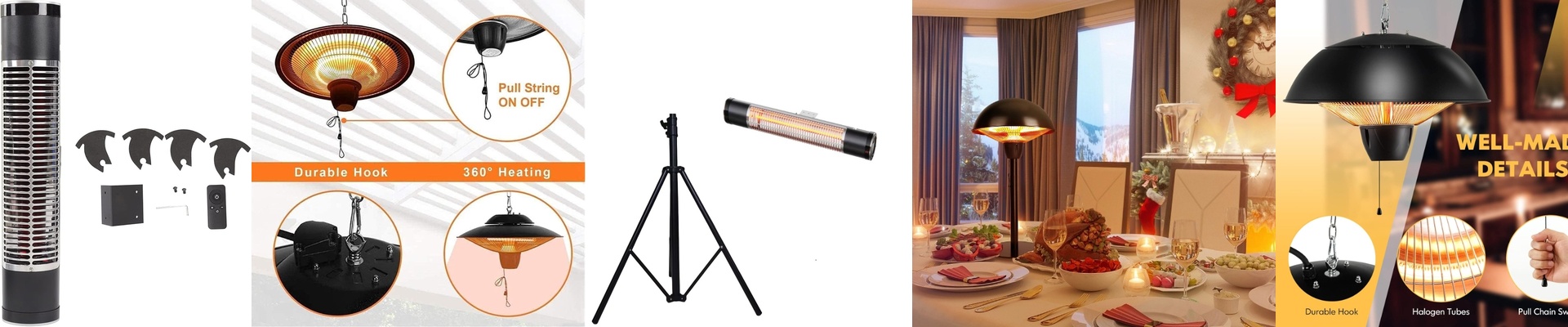
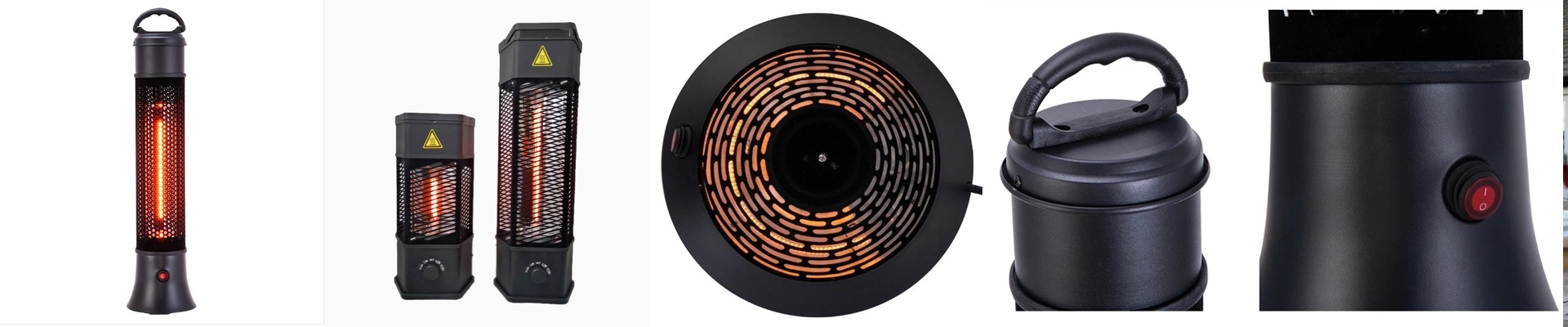
Now, you might wonder why we bother with the gold coating. Standard quartz lamps are a bit messy—they throw heat in every single direction. In a production line, that’s a problem because you don’t want to bake your conveyor belt or the machine frame. By adding a thin layer of gold to the quartz, we basically create a mirror for infrared energy. Instead of wasting heat, it bounces everything forward, hitting the glass directly. It’s efficient. You hit your target temperature faster and your power bill stays lower. Plus, the gold helps keep the quartz a bit cleaner, though you still have to keep an eye on the lenses so you don’t get hot spots.
A few things to watch out for
This setup packs a lot of energy into a small space, which means you can’t ignore the airflow. If your lamp housing doesn’t breathe, that heat has nowhere to go but back into your wiring. I’ve seen terminals burn out because the cooling fans weren’t up to the task. Don’t let that happen—spec your fans correctly and use high-temp leads. One last tip: keep a close eye on your PID controller. Shortwave lamps react incredibly fast. If your tuning is off, you’ll overshoot your temperature and risk thermal shock, which is the last thing you want when you’re trying to prevent cracks.