Getting Low-E Glass to Bend Without the Headaches
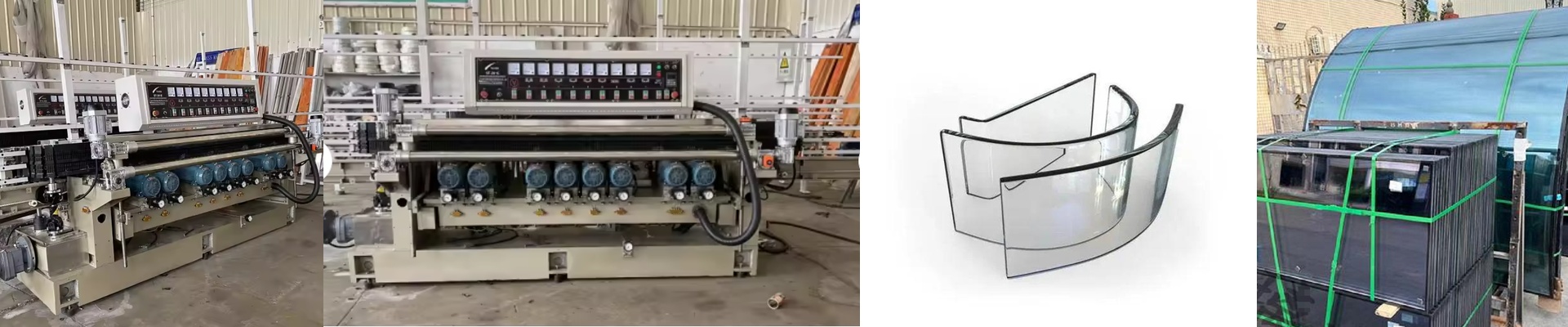
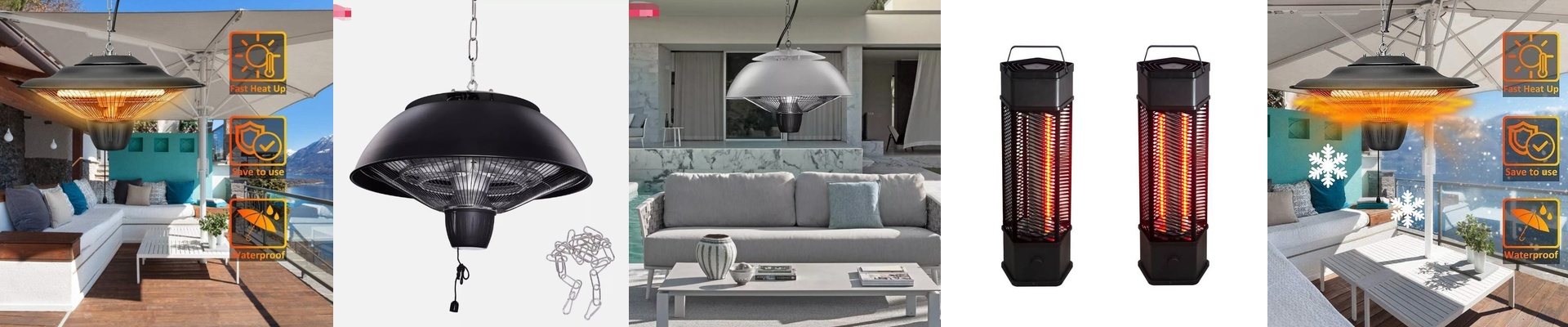
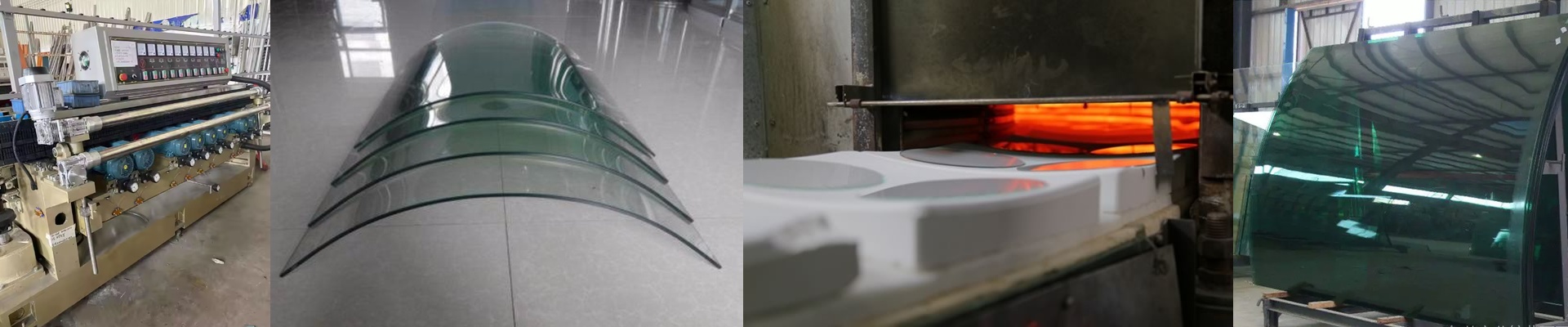
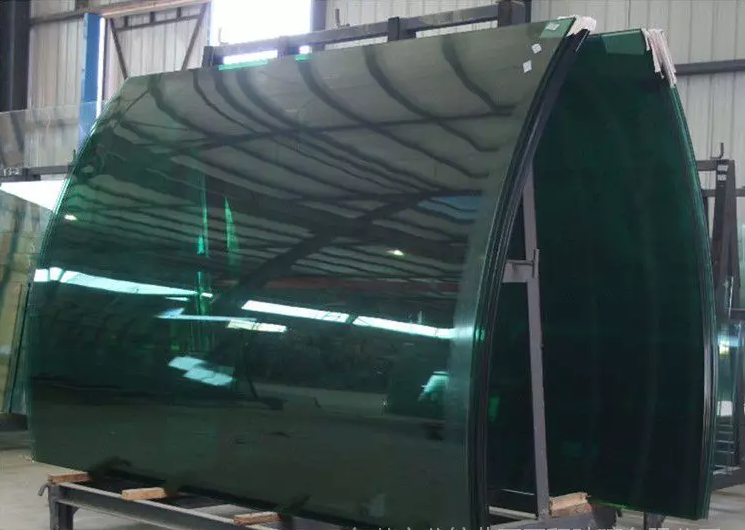
If you’ve ever tried to heat wide-format Low-E glass, you know it’s a completely different beast than standard clear glass. That metallic oxide coating is basically a mirror for infrared energy. Most of the heat just bounces right off. To get the glass to that perfect bending temperature without creating those dreaded hot spots, we build continuous infrared units. We’re talking long—often over 3 meters. The battle with voltage drop Here’s the thing: when you’re dealing with a heating lamp that’s over 3 meters long, voltage drop is your biggest enemy. If you aren’t careful, the ends of the tube run cooler than the center, and your heat profile goes out the window. We fix this by customizing the wattage and voltage for each build. We use high-density quartz filaments that can actually handle the load. Because if you just cram too much wattage into one long tube, you’re going to blow out the connection points. It’s all about balancing the electrical load so the heat stays flat across the whole sheet. Making the heat actually stick Low-E coatings are picky. They only like certain wavelengths. To deal with that, we use specific quartz blends and internal coatings to shift the emission spectrum. It’s the difference between the energy bouncing off the surface and actually penetrating the glass. Plus, we use heavy-duty connectors. Why? Because conveyor systems vibrate. A lot. If those lamps wiggle or arc, you’ve got a problem. We make sure they stay put. Real talk: The shop floor These long units give you the footprint you need for wide-format work, but they aren’t exactly “plug and play.” A 3-meter array puts out a massive amount of ambient heat. If your cooling blowers and housing aren’t up to the task, you’ll end up frying your control wiring. It’s a mess you don’t want to clean up. We design these to drop right into your existing ovens, but do yourself a favor: check your power supply capacity before you start wiring them in. It’ll save you a lot of stress.