
Stop Wasting Power on Your Fiberglass Annealing
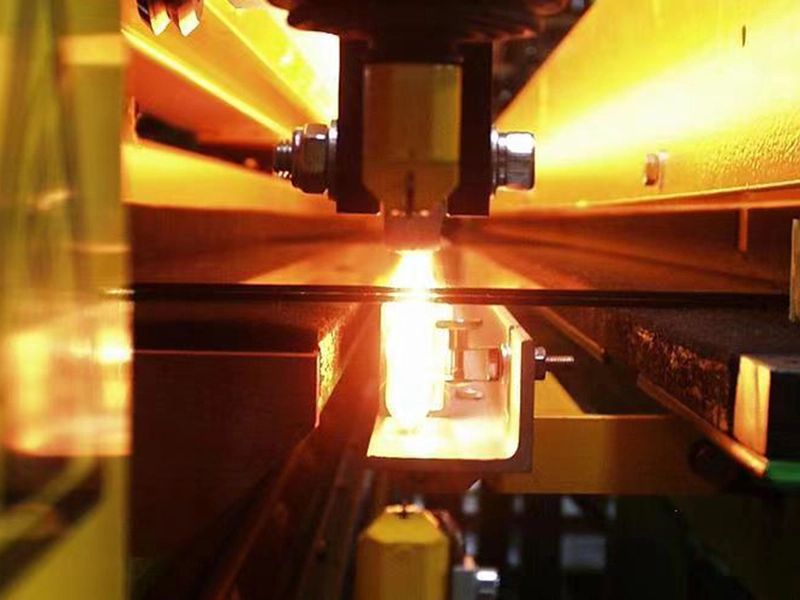
Let’s be honest: traditional fiberglass annealing is a power hog. I’ve walked through plenty of plants where the electricity bills are staggering, mostly because they’re still using those old-school convection ovens. The problem is that those ovens try to heat the entire room just to get the material warm. It’s inefficient. It’s slow. And it’s costing you a fortune. Switching to shortwave infrared (IR) lamps changes the whole game. Instead of heating the air, you’re sending energy straight into the glass fibers. Here is why that matters. Standard heaters spend half their time warming up the atmosphere. IR lamps don’t bother with that. They emit radiation that the fiberglass just sucks up instantly. You hit your target temperature faster. Your heat-up time plummets. And at the end of the month, your kWh per unit actually starts to look reasonable. But it’s not just about speed. It’s about control. We set these lamps up with high wattage density. This ensures the heat actually reaches the core of the fiberglass without scorching the surface. If it’s too hot, you just move the lamps or tweak the pulsed power controllers. Simple. The real win, though? The response time. Ceramic heaters are like old steam trains—they take forever to cool down. IR lamps shut off the second you flip the switch. No more “overshooting” your temperature, which means no more warped parts or ruined structural integrity. Now, a word of caution. You can’t just swap the lamps and call it a day. It isn’t quite that simple. First, check your electrical panels. You need to make sure your voltage and amperage can actually handle the IR arrays. Also, keep an eye on your ventilation. These setups create intense, localized heat. If your fans aren’t up to the task, you’re looking at fried wiring or dead sensors. Not a fun way to spend a Tuesday. My advice? Roll it out in stages. Take the time to figure out the exact dwell time for your specific fiber thickness. Once you get that timing dialed in, the drop in your power bill will be so obvious that your finance team might actually give you a pat on the back.