
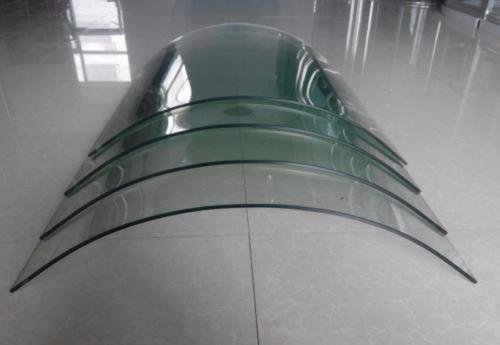
Cutting through ultra-thick glass is basically a wrestling match with the material. If you’ve ever tried to run a cutting wheel through thick quartz or soda-lime glass, you know the feeling. The stress on that blade is brutal. You end up with chipped edges and a pile of dead tools that need replacing way too often. We found a better way. Instead of just forcing the blade through, we use shortwave infrared (IR) lamps to soften the glass right where the cut happens. Here is why that matters. Most heaters just warm up the surface, which doesn’t do much for a thick slab. Shortwave IR is different. It actually sinks deep into the glass rather than just bouncing off the top. By hitting the cutting path with this heat, we drop the viscosity of the glass. Essentially, we’re making the glass “give” a little. It means the wheel doesn’t have to fight nearly as hard to leave a clean score line. To get this right, we use high-wattage quartz halogen lamps. The trick is all about power density. You want a sharp, hot spike exactly where the blade meets the glass. If the heat spreads too much, you’re asking for trouble—things like warping or thermal shock. That’s why we keep the lamps in a tight array, focusing all that energy on one spot. Now, there’s a trade-off. Your cutting wheels will last way longer because you aren’t slamming a cold blade into a rigid crystal lattice. But these lamps put out a massive amount of heat. If your cooling system isn’t up to the task, you’ll fry your wiring or melt your sockets. It’s a balancing act: you need enough heat to soften the glass, but you have to keep the movement speed precise so you don’t overheat the whole piece. My advice? Wire those lamps into a fast-response PID controller. It keeps everything in the sweet spot—soft enough for the blade to glide through, but not so hot that the glass cracks when it cools down.