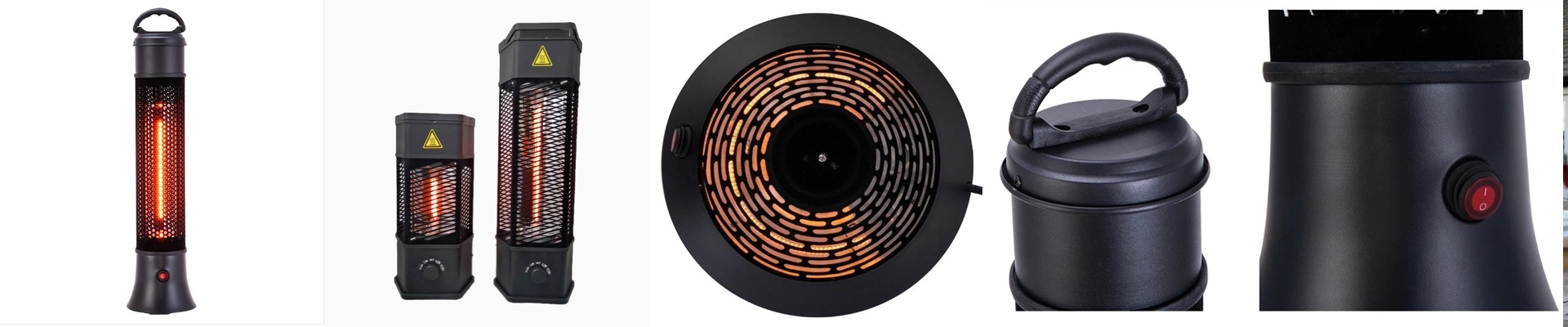
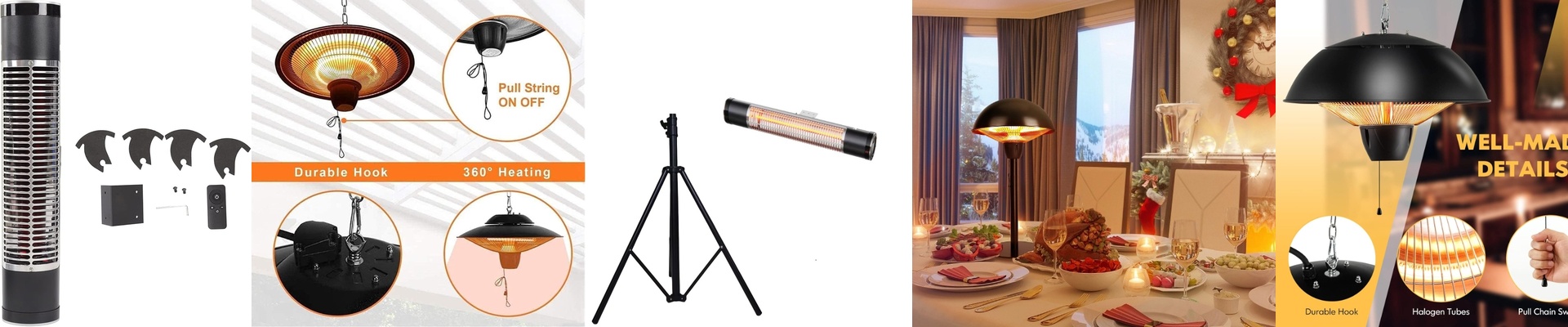
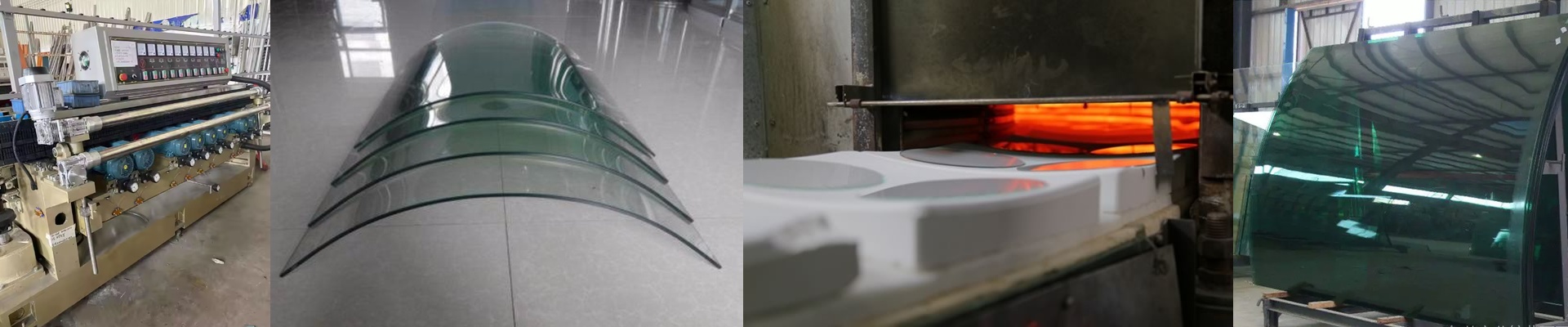
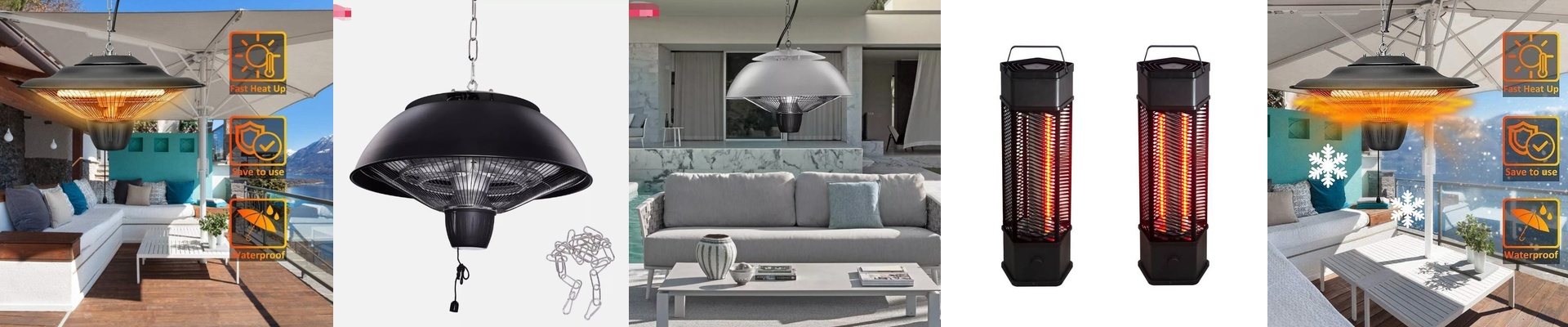
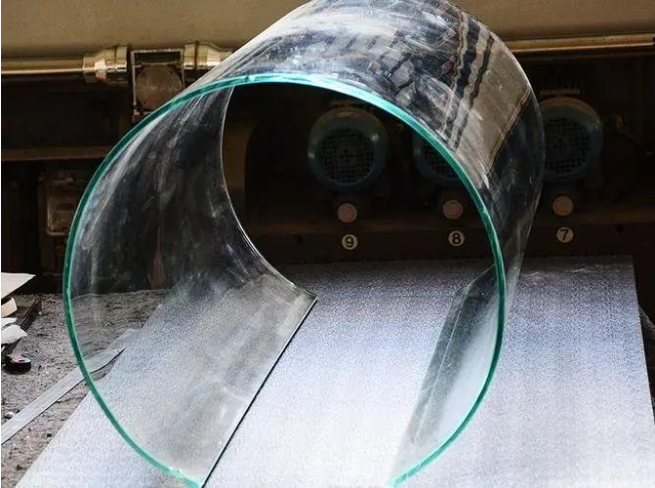
Selling a lamp is the easy part. Any catalog can do that. But getting the thermal profile exactly right for Spectacle glass annealing? That’s where most shops trip up. We don’t just box up tubes and ship them. We want to figure out why your current setup is leaving you with stress fractures or lenses that cool unevenly. Let’s talk about power. In this business, heat density is the only thing that really matters. We pair high wattage with specific voltages so the quartz envelope hits the right temperature without frying the filament. It’s a balancing act. Push the voltage too high, and you’ll kill the lamp’s lifespan. Keep it too low, and you’ll never hit the annealing point. That leaves internal stress in the glass, which usually means a nasty crack the moment you start grinding. The hardware side of things. We use high-purity quartz because it can take the hit of rapid thermal cycling without breaking a sweat. Depending on your machine, you’re probably looking at R7s or SK15 connectors. They aren’t just random parts. They change how you wire everything and how the lamp sits in the reflector. If the fit is loose, you get hot spots. That’s how you end up with a melted housing or a lamp that flickers like a bad horror movie. The trade-off. High-output lamps are great because they let you move glass through the line faster. But there’s a catch. All that extra heat doesn’t just stay on the glass; it floods the area around your conveyor and sensors. If your cooling fans aren’t up to the task, your control boards will eventually give up. That’s why we do on-site diagnostics. A datasheet can’t tell me how your reflectors are angled or how the air is actually flowing. We look at the real thermal gradient to make sure that when you drop our lamp in, your yield actually goes up.